Share Post


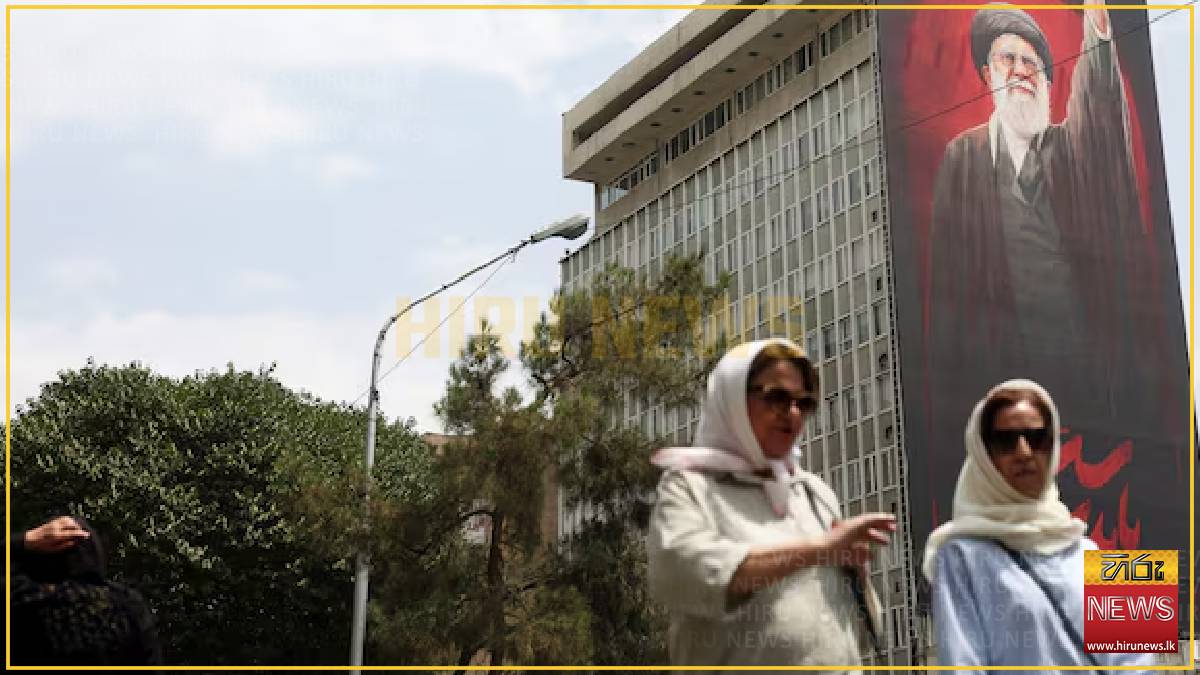
There were no discussions between Iran and the United States to extend their ceasefire because, from Tehran's perspective, the deal had no start date and therefore had nothing to extend, a senior Iranian source told Reuters on Wednesday.
The source's comments came after Turkey's Anadolu news agency, citing Pakistani government sources, reported on Wednesday that Tehran and Washington had agreed to extend a 60-day ceasefire under their interim deal signed in June.
The deal declared an "immediate and permanent termination of military operations on all fronts", but quickly unravelled, with U.S. President Donald Trump saying it was "over" on July 7 and Iran's foreign ministry declaring it "suspended" a week later.
"There is no talk of an extension because, from Iran’s perspective, there is no period that began and therefore nothing to extend. The United States violated the interim agreement 48 hours after it was reached and withdrew from it a few days later," the source told Reuters.
In the agreement, the 60-day period refers to an extendable timeframe within which Iran and the U.S. were expected to reach a final deal limiting Tehran's nuclear programme and lifting U.S. sanctions.
A series of requirements, such as a ceasefire in Lebanon, free navigation in the Gulf and waivers for Iran to sell its oil, were viewed as necessary before entering the further negotiation period.
"One of the issues that is being discussed via mediators is the U.S. returning to the interim agreement and defining a timeframe for implementing the commitments. There has been absolutely no progress on this issue," the source added.
-Reuters
The source's comments came after Turkey's Anadolu news agency, citing Pakistani government sources, reported on Wednesday that Tehran and Washington had agreed to extend a 60-day ceasefire under their interim deal signed in June.
The deal declared an "immediate and permanent termination of military operations on all fronts", but quickly unravelled, with U.S. President Donald Trump saying it was "over" on July 7 and Iran's foreign ministry declaring it "suspended" a week later.
"There is no talk of an extension because, from Iran’s perspective, there is no period that began and therefore nothing to extend. The United States violated the interim agreement 48 hours after it was reached and withdrew from it a few days later," the source told Reuters.
In the agreement, the 60-day period refers to an extendable timeframe within which Iran and the U.S. were expected to reach a final deal limiting Tehran's nuclear programme and lifting U.S. sanctions.
A series of requirements, such as a ceasefire in Lebanon, free navigation in the Gulf and waivers for Iran to sell its oil, were viewed as necessary before entering the further negotiation period.
"One of the issues that is being discussed via mediators is the U.S. returning to the interim agreement and defining a timeframe for implementing the commitments. There has been absolutely no progress on this issue," the source added.
-Reuters
Latest News
More fans are tuning into women’s sports, Nielsen report finds
Local
13 August 2026

Italy's Curtis betters own 50m backstroke world record
Local
13 August 2026

Dominican Republic expels 9 Cuban officials
Local
13 August 2026
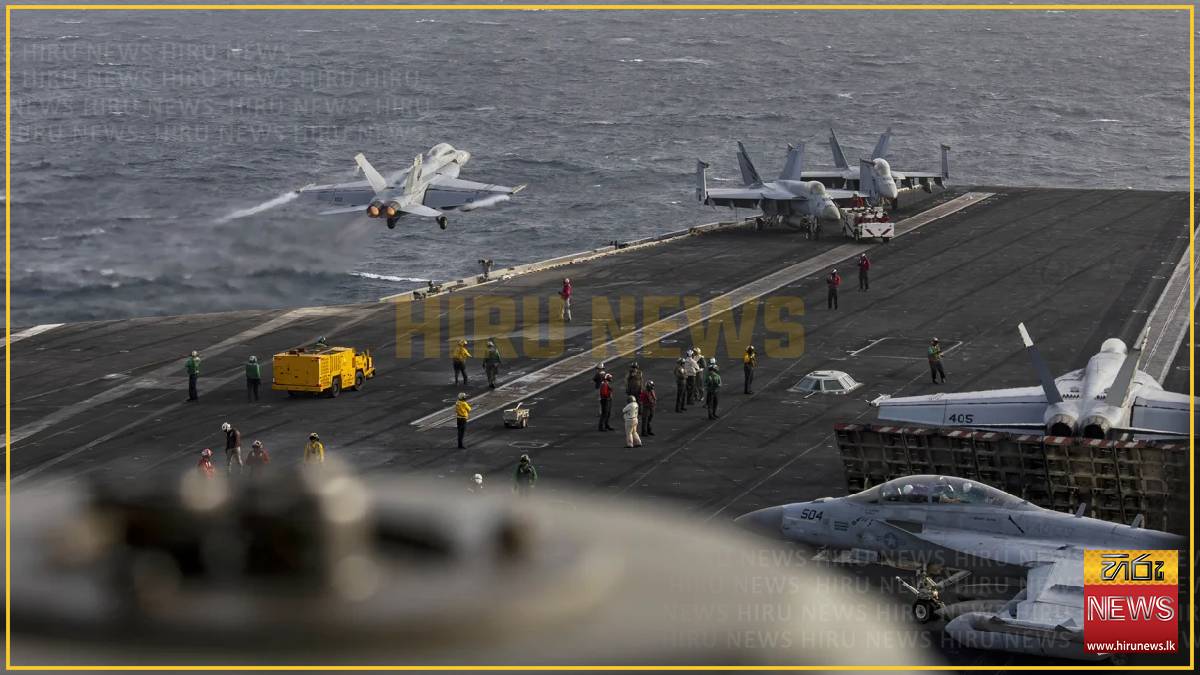
USS George Washington headed to Middle East to replace USS Abraham Lincoln
Local
13 August 2026
Ukraine offers Russia truce in Black Sea as food supply fears mount, source says
Local
13 August 2026

Yemen at highest risk of major conflict since 2022 truce, UN warns
Local
13 August 2026

Sri Lanka receives Euro 139 million tax relief via GSP+ in 2024: conditions tighten in 2027
Local
13 August 2026

Sell Ukraine 10% of US Patriots and ‘we will destroy all the Russians’ ballistic missiles,’ Zelensky tells CNN
Local
13 August 2026

Taiwan throttles mobile internet speeds in defence drill
Local
13 August 2026

Bangladesh dominate Australia despite Smith reprieve
Local
13 August 2026