



Share Post


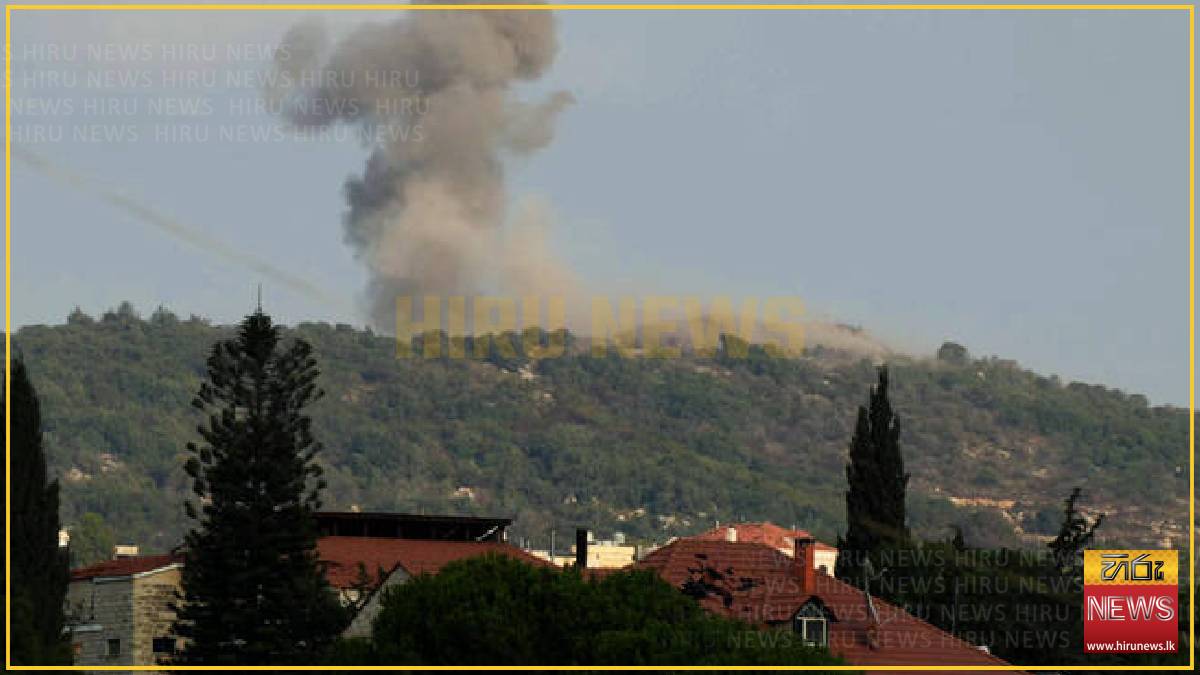
Israeli airstrikes on southern Lebanon killed at least 11 people Saturday, in some of the deadliest attacks since a precarious truce between Israel and Hezbollah went into effect on June 20.
Lebanon’s Health Ministry and state news agency said one of the airstrikes that targeted a home on the edge of the village of Ansar killed seven people, including three children, and wounded two.
The second, on the village of Deir Al-Zahrani, killed two and wounded nine.
Israel and the Lebanese government announced a “framework agreement” on June 26, laying out a plan for Israeli forces to withdraw from southern Lebanon, in exchange for the disarmament of the Iran-backed Hezbollah militant group. It also envisions steps toward an eventual peace agreement between the two countries — which technically remain in a state of war nearly 80 years after Israel’s establishment.
Hezbollah has refused direct talks and wasn’t party to the deal.
Lebanese Prime Minister Nawaf Salam criticized Israel’s airstrikes on southern Lebanon, saying they intimidate “residents in their homes” and undermine efforts to stabilize the situation in the south.
“The seven martyrs of the Israeli airstrike on the town of Ansar are not military infrastructure and the children and women killed were not military targets,” Salam said in comments posted on X. He added that it is the job of the Lebanese state to deal with any military infrastructure in the country.
“Israel must halt this escalation,” Salam said. He added that the security of the Lebanese people and their right to life on their land “are not subject to negotiation or bargaining.”
Intense Israeli airstrikes early Saturday also hit the strategic Ali Taher hill, which overlooks parts of the southern city of Nabatiyeh and main roads leading to it, NNA reported.
Despite the truce, Israel’s military has continued its almost daily attacks on the area, which is north of the Litani River and has been a de facto boundary in Lebanon, with large areas to the south under Israeli military control.
The Israeli military said in a statement that it struck Hezbollah infrastructure in the areas of Ali Taher and Ansar in response to an action against Israeli soldiers in the area.
The military added that it will not allow the Hezbollah to harm Israeli civilians or soldiers “and will continue to operate to remove threats.”
A Hezbollah official did not immediately respond when asked for comment on whether they carried out any attacks on Israeli forces in southern Lebanon.
Earlier this month, two Israeli soldiers were killed in an explosion in southern Lebanon, the first Israeli deaths since the shaky truce. Hezbollah did not comment on the blast.
Lebanon and Israel have held seven rounds of talks; the most recent took place in Rome earlier this month.
The Iran-backed Hezbollah has refused to disarm and accuses the Lebanese government of making too many concessions without guaranteeing an Israeli withdrawal.
The latest Israel-Hezbollah war erupted on March 2, when Hezbollah fired rockets across the border two days after the US and Israel launched their attacks on Iran. More than 4,000 people have been killed by Israeli strikes in Lebanon since then, including hundreds of civilians. About 40 soldiers and three civilians — including a military contractor — have been killed on the Israeli side.
– AP/Arab News
Lebanon’s Health Ministry and state news agency said one of the airstrikes that targeted a home on the edge of the village of Ansar killed seven people, including three children, and wounded two.
The second, on the village of Deir Al-Zahrani, killed two and wounded nine.
Israel and the Lebanese government announced a “framework agreement” on June 26, laying out a plan for Israeli forces to withdraw from southern Lebanon, in exchange for the disarmament of the Iran-backed Hezbollah militant group. It also envisions steps toward an eventual peace agreement between the two countries — which technically remain in a state of war nearly 80 years after Israel’s establishment.
Hezbollah has refused direct talks and wasn’t party to the deal.
Lebanese Prime Minister Nawaf Salam criticized Israel’s airstrikes on southern Lebanon, saying they intimidate “residents in their homes” and undermine efforts to stabilize the situation in the south.
“The seven martyrs of the Israeli airstrike on the town of Ansar are not military infrastructure and the children and women killed were not military targets,” Salam said in comments posted on X. He added that it is the job of the Lebanese state to deal with any military infrastructure in the country.
“Israel must halt this escalation,” Salam said. He added that the security of the Lebanese people and their right to life on their land “are not subject to negotiation or bargaining.”
Intense Israeli airstrikes early Saturday also hit the strategic Ali Taher hill, which overlooks parts of the southern city of Nabatiyeh and main roads leading to it, NNA reported.
Despite the truce, Israel’s military has continued its almost daily attacks on the area, which is north of the Litani River and has been a de facto boundary in Lebanon, with large areas to the south under Israeli military control.
The Israeli military said in a statement that it struck Hezbollah infrastructure in the areas of Ali Taher and Ansar in response to an action against Israeli soldiers in the area.
The military added that it will not allow the Hezbollah to harm Israeli civilians or soldiers “and will continue to operate to remove threats.”
A Hezbollah official did not immediately respond when asked for comment on whether they carried out any attacks on Israeli forces in southern Lebanon.
Earlier this month, two Israeli soldiers were killed in an explosion in southern Lebanon, the first Israeli deaths since the shaky truce. Hezbollah did not comment on the blast.
Lebanon and Israel have held seven rounds of talks; the most recent took place in Rome earlier this month.
The Iran-backed Hezbollah has refused to disarm and accuses the Lebanese government of making too many concessions without guaranteeing an Israeli withdrawal.
The latest Israel-Hezbollah war erupted on March 2, when Hezbollah fired rockets across the border two days after the US and Israel launched their attacks on Iran. More than 4,000 people have been killed by Israeli strikes in Lebanon since then, including hundreds of civilians. About 40 soldiers and three civilians — including a military contractor — have been killed on the Israeli side.
– AP/Arab News
Latest News
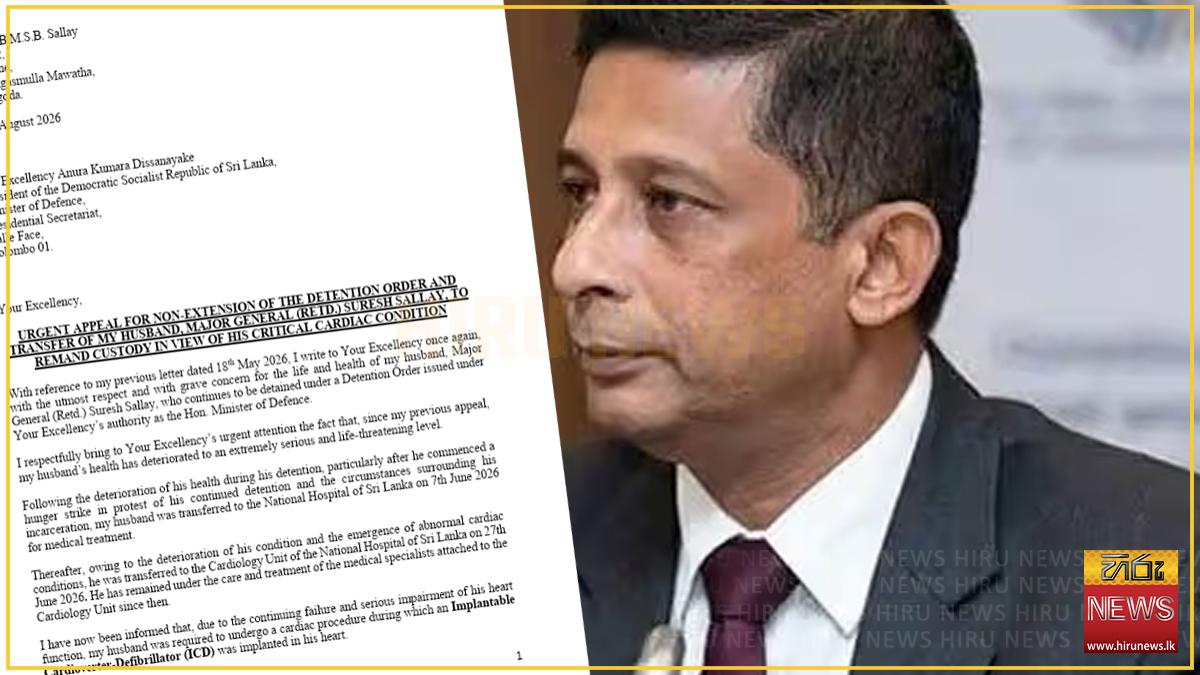
Global Sri Lankan Forum appeals to President over Suresh Sallay’s detention
Local
22 August 2026
66,000 Mrigal fingerlings released into Maussakelle Reservoir to boost nutrition in plantation sector
Local
22 August 2026

Dilhani Lekamge wins silver in javelin throw in India
Local
22 August 2026

Male body retrieved from rocks off Wennappuwa sea
Local
22 August 2026

State funds allocated for Muslim places of worship in Gampaha District
Local
22 August 2026

Shanika Kahawalage wins Bronze at the 2026 World Athletics Silver Level Continental Tour
Local
22 August 2026

Dinana Dakuna slams Justice Minister’s ‘no referendum’ claim
Local
22 August 2026

Chinese robot beats Usain Bolt's 100m world record in test run
Local
22 August 2026

Dr. Nanda Malini bids farewell to the nation
Local
22 August 2026

President, Prime Minister, and Opposition Leader issue condolence messages for late Dr. Nanda Malini
Local
22 August 2026








