



Share Post


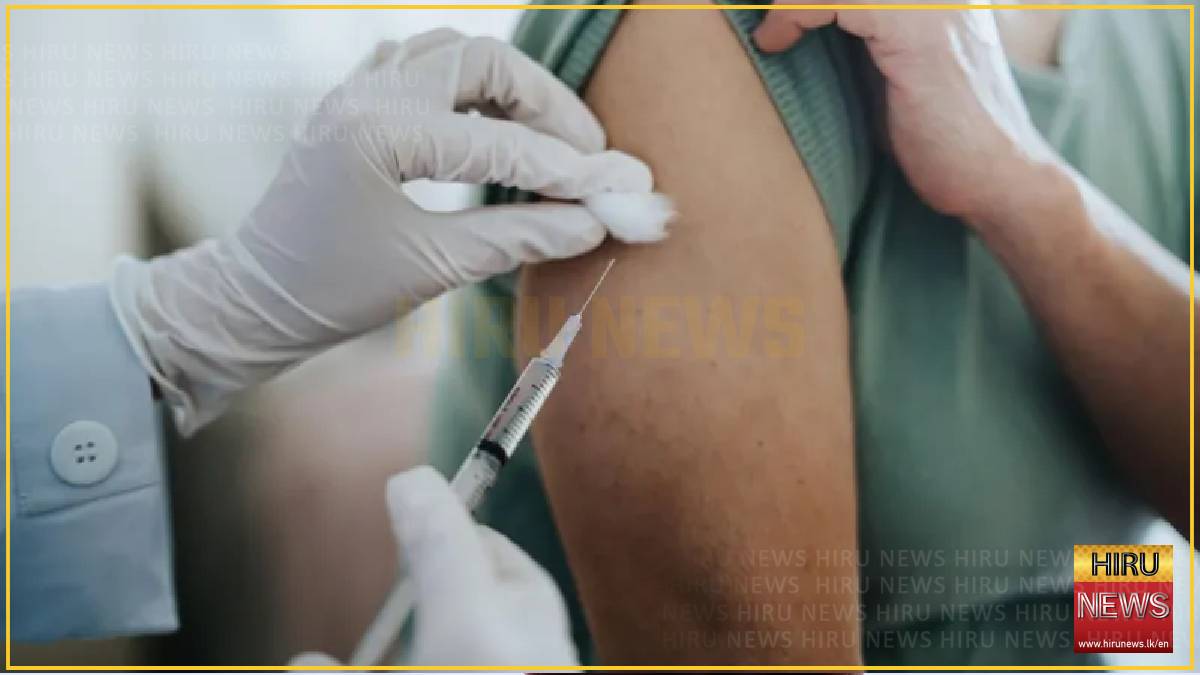
A new personalised vaccine given in combination with a drug has stopped skin cancer returning in patients during a trial, representing a potentially watershed moment in cancer treatment.
The vaccine, developed by drug companies Merck & Co or MSD, and Moderna, was given to patients with high-risk melanoma, a type of skin cancer, after they had surgery.
Early results show this new jab extended the length of time these patients were cancer free, but it's unclear for how long, according to an announcement by the two firms.
Cancer experts say this is a breakthrough, but emphasise caution as the full results have not been released or peer-reviewed whereby independent experts examine and check the trial findings.
And even after the trials process has finished, the treatment would still need to be approved by regulators and then go through another approval process before it was made available on the NHS.
The vaccine, called Intismeran, was given in combination with Keytruda, an immunotherapy drug already used in cancer treatment.
Compared with taking the Keytruda on its own, the companies said taking the drug and vaccine together significantly increased the time patients remained cancer free and reduced the risk of the disease spreading to other organs.
The phase three trial involved more than 1,000 patients who had high-risk stage two, three or four melanoma - meaning they ranged from having large tumours in a specific area to cancers which had already spread to other parts of the body.
-BBC
The vaccine, developed by drug companies Merck & Co or MSD, and Moderna, was given to patients with high-risk melanoma, a type of skin cancer, after they had surgery.
Early results show this new jab extended the length of time these patients were cancer free, but it's unclear for how long, according to an announcement by the two firms.
Cancer experts say this is a breakthrough, but emphasise caution as the full results have not been released or peer-reviewed whereby independent experts examine and check the trial findings.
And even after the trials process has finished, the treatment would still need to be approved by regulators and then go through another approval process before it was made available on the NHS.
The vaccine, called Intismeran, was given in combination with Keytruda, an immunotherapy drug already used in cancer treatment.
Compared with taking the Keytruda on its own, the companies said taking the drug and vaccine together significantly increased the time patients remained cancer free and reduced the risk of the disease spreading to other organs.
The phase three trial involved more than 1,000 patients who had high-risk stage two, three or four melanoma - meaning they ranged from having large tumours in a specific area to cancers which had already spread to other parts of the body.
-BBC
Latest News
Trump wants a new meeting with Kim Jong Un, North Korea says not so fast
Local
21 August 2026

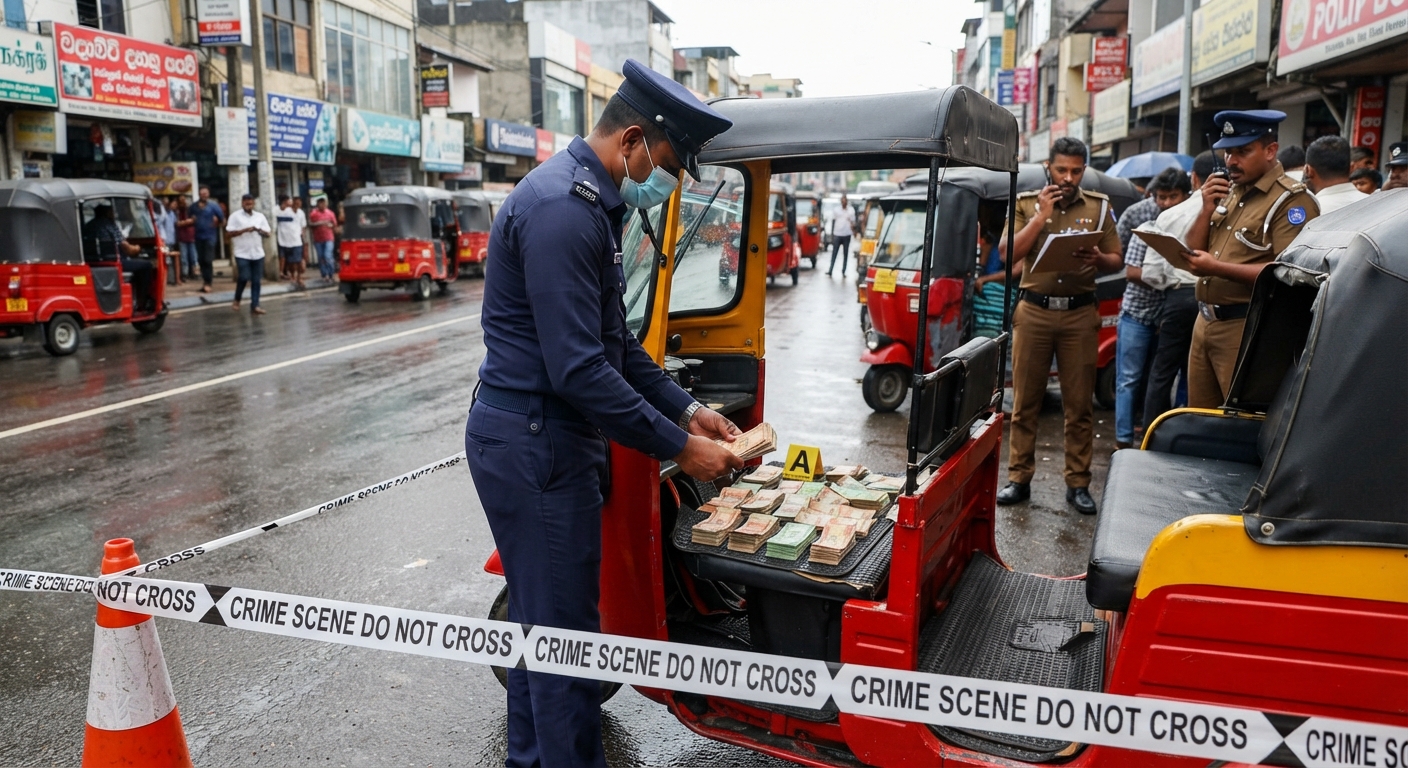
Cash found in three-wheeler leads to probe into alleged US$ 1 billion forex scam
Local
21 August 2026
Namal arrives at the FCID
Local
21 August 2026

Cigarette production drops 32% amid higher tobacco taxes
Local
21 August 2026

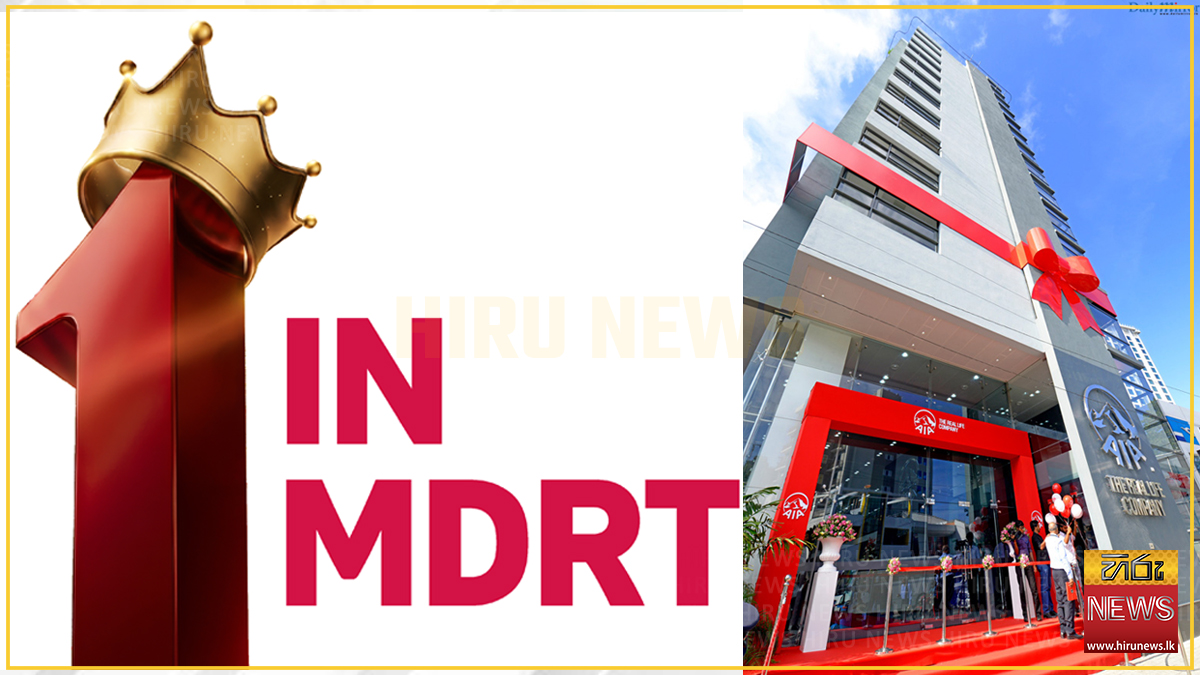
AIA sets new national record with 416 MDRT qualifiers
Local
21 August 2026
Sri Lanka eyes $9 billion in foreign reserves by end-2026
Local
21 August 2026

State institutions to fly national flag at half-mast for three days
Local
21 August 2026

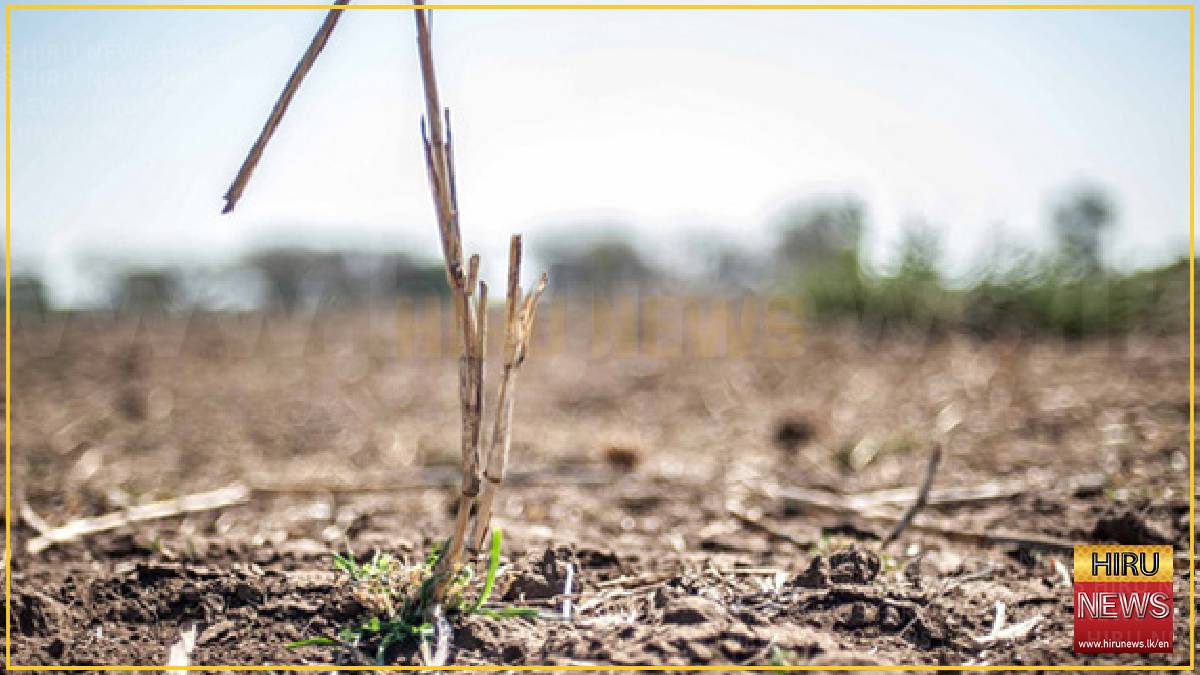
Drought affects more than 81,000 people across seven districts
Local
21 August 2026
US says it will impose 'toughest sanctions in history' on Iran
Local
21 August 2026
Dave Bautista officially set as Kratos in ‘God of War’ TV series
Local
21 August 2026