



Share Post


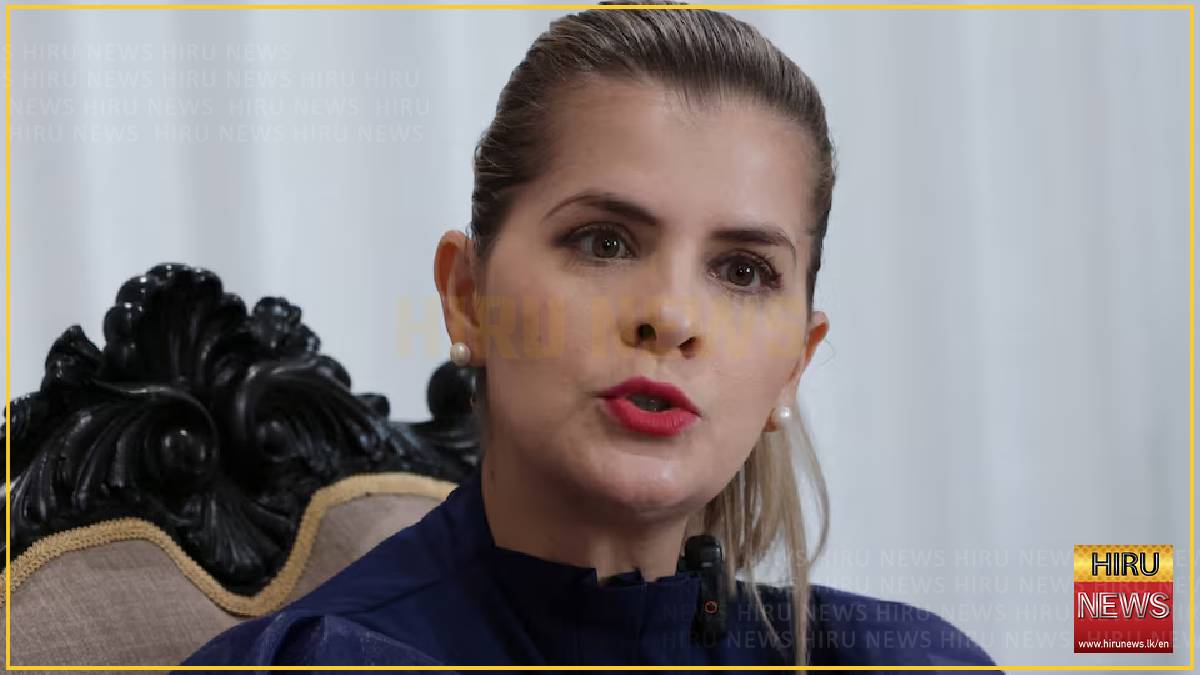
Costa Rican President Laura Fernández said on Friday that U.S. ground operations could strengthen national security in the Central American nation, while emphasizing that nothing concrete was in the works with Washington and any such move would require legislative approval.
"It would obviously be very good for national security if it were about pursuing a common objective against transnational crime, transnational drug trafficking, transnational terrorism," Fernandez told Reuters in an interview, when asked about the possibility of U.S. ground operations on Costa Rican soil.
Costa Rica and the U.S. have cooperated for years on security matters, including through joint maritime patrols. U.S. President Donald Trump invited Costa Rica to join his Shield of the Americas coalition, which is aimed at combating drug cartels.
A right-wing populist who took office in May, Fernandez campaigned on a tough anti-crime platform, vowing to restore order in Costa Rica, a country that has seen a spike in drug trafficking and violence in recent years. The homicide rate hit a record 17.2 per 100,000 inhabitants in 2023, double the rate of a decade ago.
Fernandez said she is not considering requesting from Congress a state of emergency or suspending constitutional guarantees in order to address the wave of violence, noting that homicides are declining.
Court data shows that in the first half of 2026, homicides fell 14% compared to the same period in 2025.
Fernandez has been in a tense standoff with Costa Rica's courts, accusing the judiciary of being infiltrated by organized crime and blocking her tough-on-crime security policies.
"I've been very critical of how slow the courts are, very critical in specific cases where judges release convicted criminals long before their sentences are complete, and I've also been very critical of administrative failures and potential corruption in the judiciary," Fernandez said.
The dispute has increasingly centred on the judiciary's role and funding. Fernandez has backed significant budget cuts to the judicial branch and supports a legislative proposal to have Congress, rather than the Supreme Court, appoint the attorney general.
Judicial officials have denied corruption allegations, challenging Fernandez to provide evidence. They argue that budget cuts planned for 2026 and 2027 would weaken democratic checks and balances and undermine efforts to fight crime.
-Reuters
"It would obviously be very good for national security if it were about pursuing a common objective against transnational crime, transnational drug trafficking, transnational terrorism," Fernandez told Reuters in an interview, when asked about the possibility of U.S. ground operations on Costa Rican soil.
Costa Rica and the U.S. have cooperated for years on security matters, including through joint maritime patrols. U.S. President Donald Trump invited Costa Rica to join his Shield of the Americas coalition, which is aimed at combating drug cartels.
A right-wing populist who took office in May, Fernandez campaigned on a tough anti-crime platform, vowing to restore order in Costa Rica, a country that has seen a spike in drug trafficking and violence in recent years. The homicide rate hit a record 17.2 per 100,000 inhabitants in 2023, double the rate of a decade ago.
Fernandez said she is not considering requesting from Congress a state of emergency or suspending constitutional guarantees in order to address the wave of violence, noting that homicides are declining.
Court data shows that in the first half of 2026, homicides fell 14% compared to the same period in 2025.
Fernandez has been in a tense standoff with Costa Rica's courts, accusing the judiciary of being infiltrated by organized crime and blocking her tough-on-crime security policies.
"I've been very critical of how slow the courts are, very critical in specific cases where judges release convicted criminals long before their sentences are complete, and I've also been very critical of administrative failures and potential corruption in the judiciary," Fernandez said.
The dispute has increasingly centred on the judiciary's role and funding. Fernandez has backed significant budget cuts to the judicial branch and supports a legislative proposal to have Congress, rather than the Supreme Court, appoint the attorney general.
Judicial officials have denied corruption allegations, challenging Fernandez to provide evidence. They argue that budget cuts planned for 2026 and 2027 would weaken democratic checks and balances and undermine efforts to fight crime.
-Reuters
Latest News
Bill to abolish Chief of Defence Staff position presented to Parliament today
Local
09 September 2026
US Treasury ratchets up pressure on Iran with sweeping new aviation sanctions
Local
09 September 2026

South Korea says Hormuz talks with France concern contribution options, not troop deployment
Local
09 September 2026

Any touch without consent can be a bad touch, says Dr. Thushara Wickramanayake
Local
09 September 2026

EDOTCO Sri Lanka signs USD 10 Mn BOI investment agreement
Local
09 September 2026

Very hot drinks may damage the food pipe and increase cancer risk
Local
09 September 2026

Five people killed in 'Flying Doctor' helicopter crash in Malaysia, authorities say
Local
09 September 2026

LIV files for bankruptcy protection with over $45m owed to players
Local
09 September 2026

Seylan Bank and Toyota Lanka join forces to offer improved leasing solutions
Local
09 September 2026

Lanka’s Spera unveils South Asia’s first homegrown security humanoid
Local
09 September 2026








