




Share Post


Considering the recent inquiries on virtual currency usage in the international and domestic markets, the Central Bank of Sri Lanka (CBSL) informs the public of the risks associated with investing in Virtual Currencies.
“Virtual Currencies (VCs)” are digital tokens created by private entities that can be obtained online through mining, Initial Coin Offerings (ICOs) or through Virtual Currency Exchanges.
VCs are also commonly referred to as cryptocurrencies.
Popular VCs include Bitcoin, Ethereum, Litecoin. While VCs have their own value denominations such as bitcoins for Bitcoin and ethers for Ethereum, they are usually valued in VC Exchanges in currencies issued by Central Banks, e.g., US dollar (USD), Japanese Yen, etc. However, it is important to note that VCs are not issued by Central Banks and are also not generally backed by underlying assets.
Therefore, their values are determined by speculation of the public on VC Exchanges.
There are no regulatory safeguards relating to the usage, investment or dealing in VCs in Sri Lanka. Therefore, investing or using VCs in Sri Lanka poses significant risks such as;
Users/investors will have no regulatory or specific legal recourse in the event of any user or transaction related issues or disputes.
High volatility of the value of the VCs, as it is dependent on speculation, exposing the investment of VCs to a risk of making large losses.
High Likelihood of VCs being associated in financing terrorist activities and used by criminals to launder criminal proceeds.
Violation of Foreign Exchange Regulations. As VCs are traded as assets in Exchanges, purchasing VCs from abroad would lead to a violation of Foreign Exchange Regulations, as VCs are not identified as a permitted investment category in terms of the Foreign Exchange Act No. 12 of 2017 (FEA).
Electronic Fund Transfer Cards (EFTCs) such as debit cards and credit cards are also not permitted to be used for payments in foreign currency related to virtual currency transactions, in terms of the Foreign Exchange Regulations in Sri Lanka.
The public is therefore warned of the significant financial, operational, legal, customer protection and security related risks posed by investments in VCs to the users as well as to the economy. The public is also informed that CBSL has not given any license or authorization to any entity or company to operate schemes involving VCs, including cryptocurrencies, and has not authorized any ICOs, mining operations or Virtual Currency Exchanges.
“Virtual Currencies (VCs)” are digital tokens created by private entities that can be obtained online through mining, Initial Coin Offerings (ICOs) or through Virtual Currency Exchanges.
VCs are also commonly referred to as cryptocurrencies.
Popular VCs include Bitcoin, Ethereum, Litecoin. While VCs have their own value denominations such as bitcoins for Bitcoin and ethers for Ethereum, they are usually valued in VC Exchanges in currencies issued by Central Banks, e.g., US dollar (USD), Japanese Yen, etc. However, it is important to note that VCs are not issued by Central Banks and are also not generally backed by underlying assets.
Therefore, their values are determined by speculation of the public on VC Exchanges.
There are no regulatory safeguards relating to the usage, investment or dealing in VCs in Sri Lanka. Therefore, investing or using VCs in Sri Lanka poses significant risks such as;
Users/investors will have no regulatory or specific legal recourse in the event of any user or transaction related issues or disputes.
High volatility of the value of the VCs, as it is dependent on speculation, exposing the investment of VCs to a risk of making large losses.
High Likelihood of VCs being associated in financing terrorist activities and used by criminals to launder criminal proceeds.
Violation of Foreign Exchange Regulations. As VCs are traded as assets in Exchanges, purchasing VCs from abroad would lead to a violation of Foreign Exchange Regulations, as VCs are not identified as a permitted investment category in terms of the Foreign Exchange Act No. 12 of 2017 (FEA).
Electronic Fund Transfer Cards (EFTCs) such as debit cards and credit cards are also not permitted to be used for payments in foreign currency related to virtual currency transactions, in terms of the Foreign Exchange Regulations in Sri Lanka.
The public is therefore warned of the significant financial, operational, legal, customer protection and security related risks posed by investments in VCs to the users as well as to the economy. The public is also informed that CBSL has not given any license or authorization to any entity or company to operate schemes involving VCs, including cryptocurrencies, and has not authorized any ICOs, mining operations or Virtual Currency Exchanges.
Latest News
European wildfires likely to increase insurance demand, Swiss Re says
Local
29 July 2026

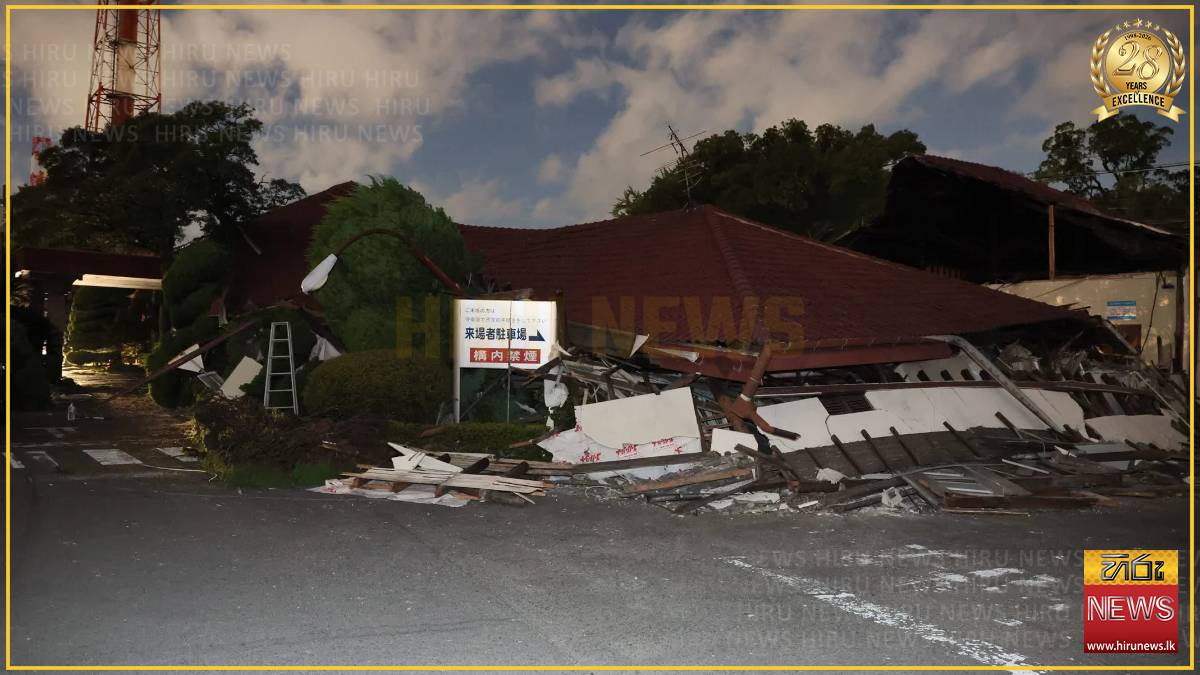
Japan quake sparks closure of more than 150 facilities in Kumamoto, local authorities say
Local
29 July 2026
RWE raises 2027 earnings forecast after strong first-half performance
Local
29 July 2026

Tunisia appoint Chaabani as coach until 2030
Local
29 July 2026

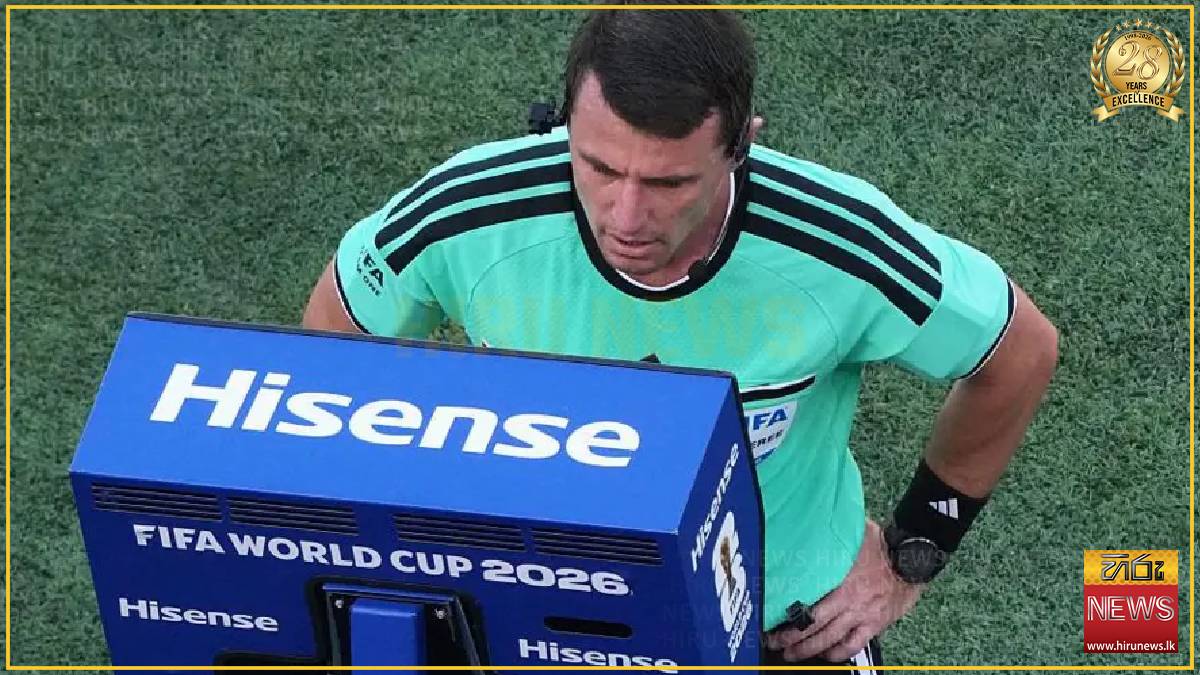
Only use VAR when error blatant - referee chiefs
Local
29 July 2026
UN chief meets rival Cyprus leaders, mulls prospects for talks
Local
29 July 2026

Trump administration to ban new Chinese robots and inverters, protecting US AI buildout
Local
29 July 2026

Trump, Zelenskiy and Netanyahu attend US Senator Lindsey Graham's funeral
Local
29 July 2026

Canadian dollar rebounds from two-week low ahead of Fed decision
Local
29 July 2026

Takaichi to push 1% food tax plan after cross-party panel deadlocked
Local
29 July 2026