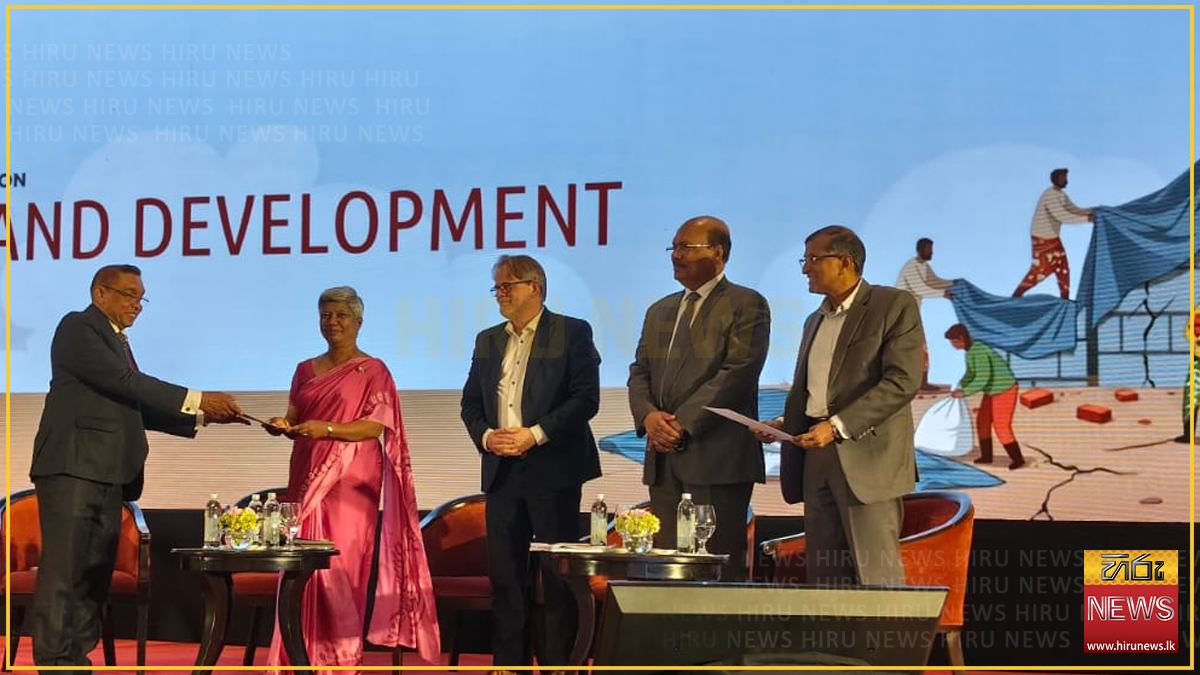


Sri Lanka is depending too heavily on tourism and remittances and should instead focus more on trade and finance, said Sirimal Abeyratne at the inauguration of the International Conference on “Poverty and Development in Times of Crisis” hosted by Centre for Poverty Analysis (CEPA) to mark its 25th anniversary at Cinnamon Grand Colombo yesterday.
The event, organised in collaboration with Asian Development Bank and ODI Global, concludes tomorrow.
Prof. Abeyratne said tourism is a highly sensitive industry that suffers during crises, not only in Sri Lanka but globally, and warned that excessive dependence on the sector may not be sustainable. He also stressed that the country should not rely excessively on worker remittances and instead strengthen trade and financial sectors.
He reflected on CEPA’s 25-year journey as a leading independent think tank focused on poverty and development challenges.
Prof. Abeyratne further noted that Sri Lanka’s progress in reducing poverty had been severely challenged by the COVID-19 pandemic and the recent economic crisis, making it essential to focus on sustainable recovery, resilience, equity and inclusion.
He said the next phase of CEPA’s work would require drawing lessons from both Sri Lanka’s experience and international best practices.
“Poverty is not just a lack of money. It is a lack of opportunity, a lack of agency, and a lack of dignity,” he stated.
Delivering the keynote address, Deputy Governor Central Bank, Chandranath Amarasekara highlighted the importance of macroeconomic stability, institutional credibility and evidence-based policymaking in protecting vulnerable communities during times of crisis.
He also underscored the need for timely poverty data and policy relevant research, noting that institutions such as CEPA play a critical role in translating evidence into practical policy action for a more resilient and inclusive development path.
Shannon Cowlin observed that Sri Lanka’s repeated shocks, including the tsunami, terrorist attacks, COVID-19 pandemic, economic crisis and emerging geopolitical risks, have exposed deep vulnerabilities and reversed development gains.
She stressed the importance of building flexibility into policies and programmes, strengthening social protection systems, improving coordination and ensuring development responses are resilient enough to protect vulnerable groups including women, children, older persons and persons with disabilities.
Latest News
Cuba under US pressure as sanctions target Prez Díaz-Canel

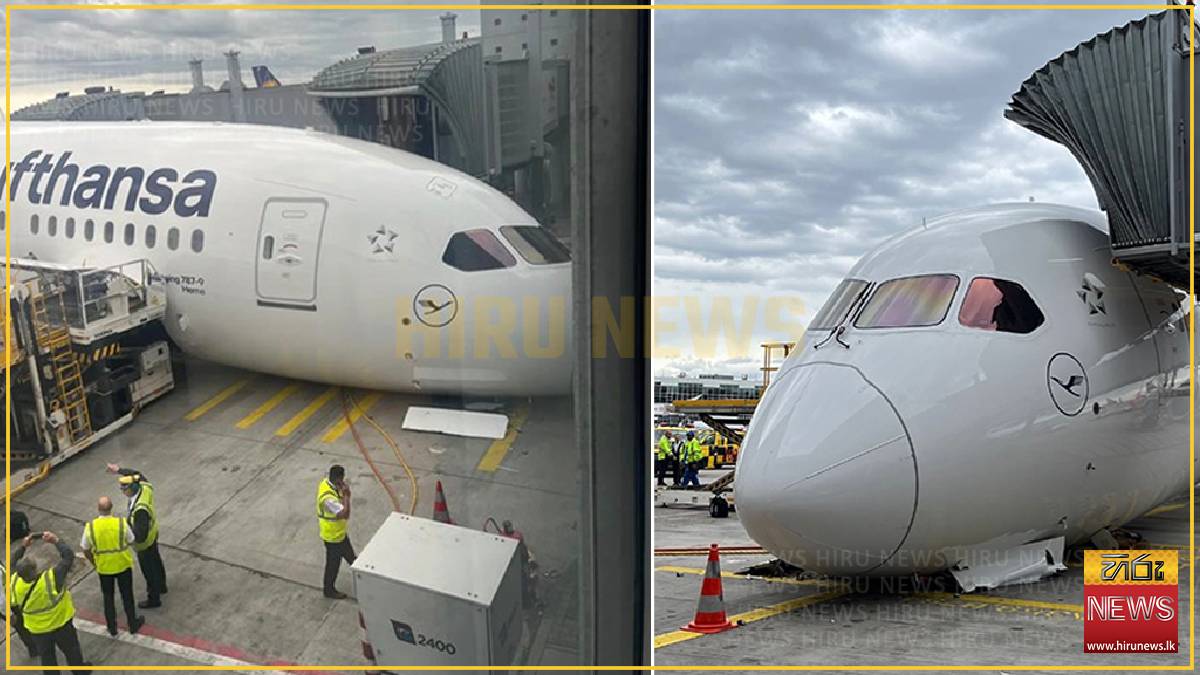
Germany probes into Boeing 787 'collapse' in Frankfurt

Iraq aim to shock rivals at 2026 World Cup

Trump 'dozing off' at White House sparks debate

China cracks down on high-tech cheating among students

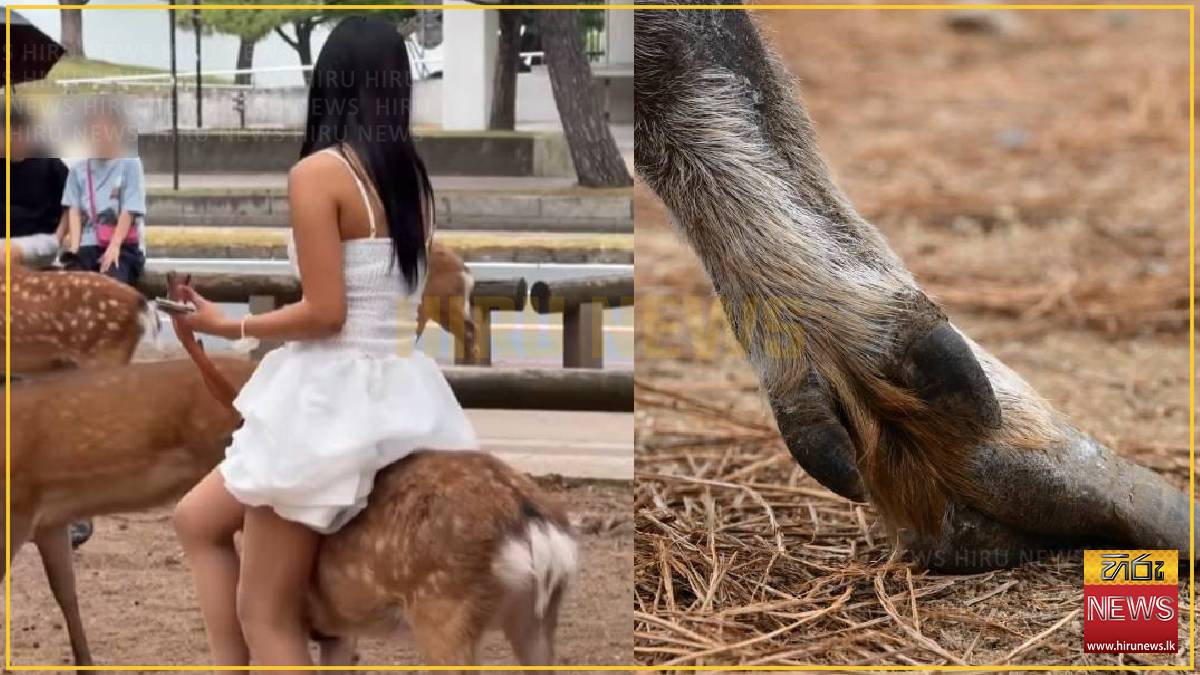
Woman slammed for trying to sit on injured deer in Japan
UK tightens rules on universities recruiting international students

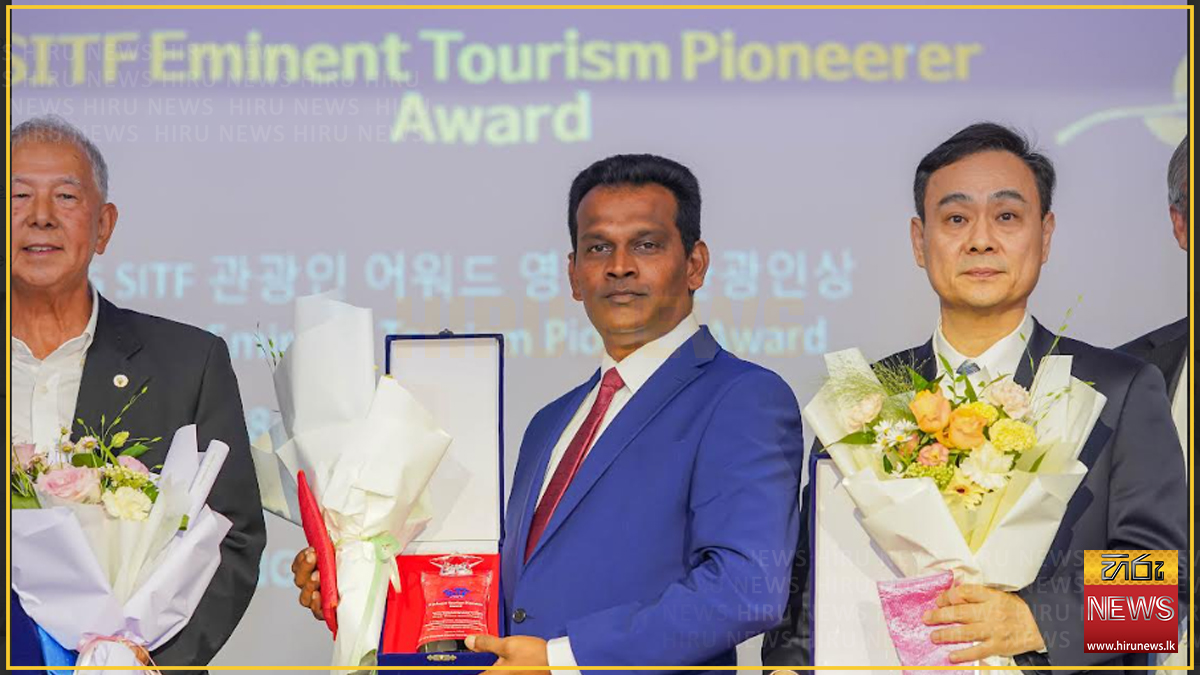
Minister Prof. Ranasinghe recognized as a ‘Key Global Personality in Tourism’ at SITF in South Korea
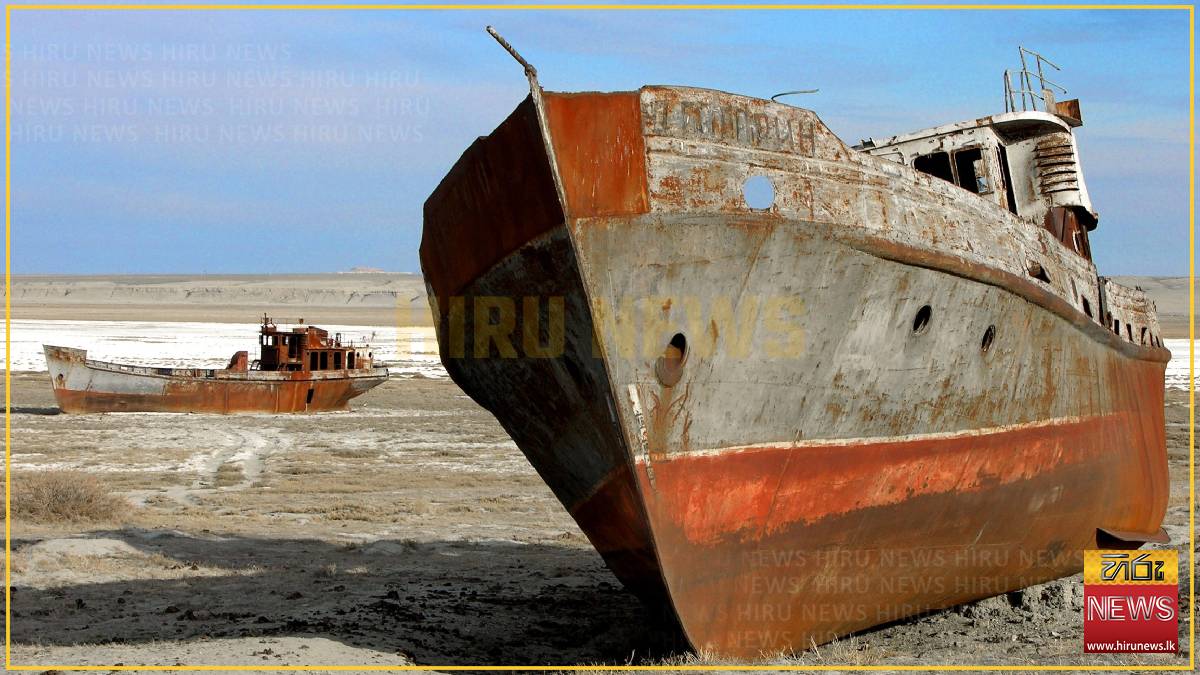
Chinese, Uzbek scientists to revive Aral Sea region
Lufthansa Boeing 787 nose gear collapse injures staff