



Share Post


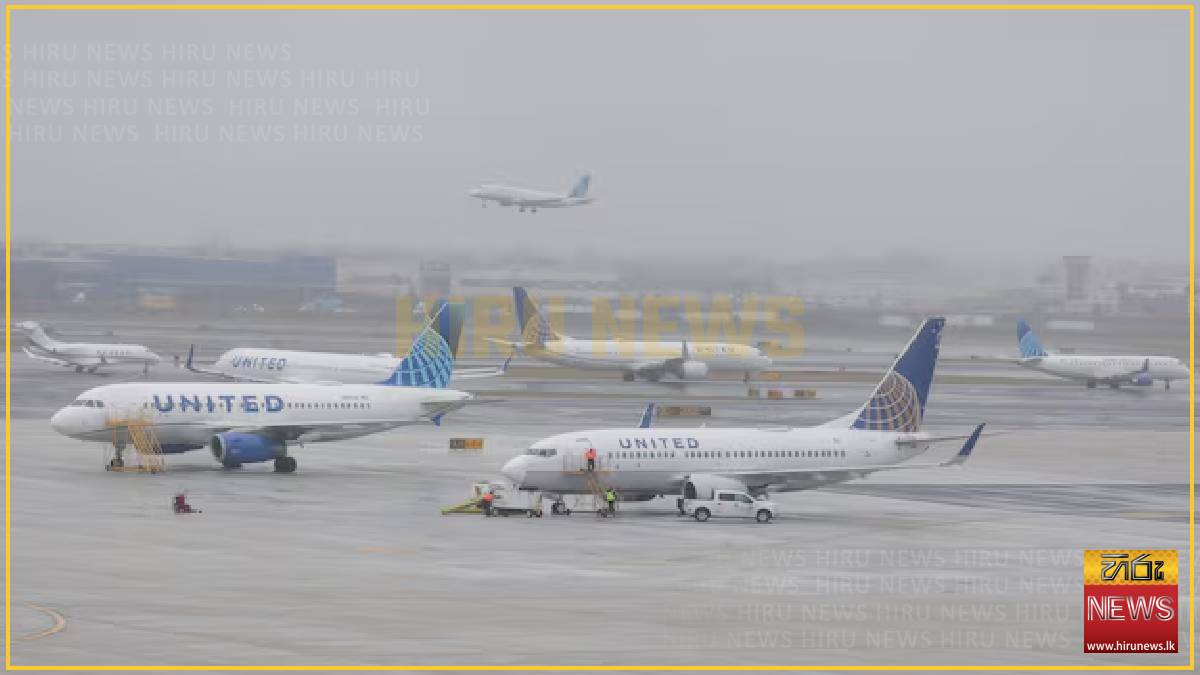
Global airline chiefs open their annual summit in Rio de Janeiro on Saturday facing a sharper test of the industry's post-pandemic recovery, as the Iran war drives up fuel costs and disrupts airspace while carriers try to cushion the blow with higher fares and tighter capacity.
The June 6-8 annual meeting of the International Air Transport Association (IATA) comes as that fuel shock collides with another problem airlines cannot quickly fix: a shortage of new aircraft.
Boeing and Airbus delivery delays have forced many carriers to keep older, less fuel-efficient jets in service for longer, raising maintenance and fuel bills just as oil prices have climbed.
IATA, which represents more than 370 airlines accounting for about 85% of global air traffic, had forecast a record $41 billion in net profit this year for the industry before the war. Industry executives and analysts expect that outlook to be lowered at the meeting.
A Deloitte survey of 21 global airline CEOs published this week found that fuel price volatility and inflation sit at the top of the industry's risk agenda, pushing carriers to focus more heavily on cost control and financial health.
"Together, they've turned what was supposed to be a record year into a fight for margin," the survey said.
Airlines have two primary costs: fuel and labour. Sudden increases in fuel are hard to absorb because many tickets are sold weeks or months before travel. Longer routes also burn more fuel and make aircraft and crews less efficient.
The challenge is how much of the latest fuel hit can be passed on to travellers before higher fares start to weaken demand.
So far, travel demand has held up in several large markets, especially among premium and corporate travellers, giving carriers more room to raise fares.
In the United States, domestic published fares as of May 25 showed robust demand and successful pass-through of higher fuel costs, with one-week-out fares up 35.8% year-on-year and four-week-out fares up 39.4%, according to Raymond James.
"The willingness to pay over the past few years, crisis and no crisis, from the premium side has been really strong, and we see that strength continuing," Alexandre Lefevre, Air Canada's vice president of network planning and global sales, told Reuters.
Still, there are limits. Higher fares can help airlines recover part of their fuel bill, but they also risk pushing out travellers with tighter budgets. That risk is greater in regions where currencies are weak, consumer spending is under pressure or airlines lack the pricing power of large network carriers.
Some carriers are still planning for growth. Singapore Airlines is in talks for at least 50 large wide-body jets, while Qantas is weighing an order for about 20 Airbus or Boeing wide-body aircraft, Reuters reported this week.
-Reuters
The June 6-8 annual meeting of the International Air Transport Association (IATA) comes as that fuel shock collides with another problem airlines cannot quickly fix: a shortage of new aircraft.
Boeing and Airbus delivery delays have forced many carriers to keep older, less fuel-efficient jets in service for longer, raising maintenance and fuel bills just as oil prices have climbed.
IATA, which represents more than 370 airlines accounting for about 85% of global air traffic, had forecast a record $41 billion in net profit this year for the industry before the war. Industry executives and analysts expect that outlook to be lowered at the meeting.
A Deloitte survey of 21 global airline CEOs published this week found that fuel price volatility and inflation sit at the top of the industry's risk agenda, pushing carriers to focus more heavily on cost control and financial health.
"Together, they've turned what was supposed to be a record year into a fight for margin," the survey said.
Airlines have two primary costs: fuel and labour. Sudden increases in fuel are hard to absorb because many tickets are sold weeks or months before travel. Longer routes also burn more fuel and make aircraft and crews less efficient.
The challenge is how much of the latest fuel hit can be passed on to travellers before higher fares start to weaken demand.
So far, travel demand has held up in several large markets, especially among premium and corporate travellers, giving carriers more room to raise fares.
In the United States, domestic published fares as of May 25 showed robust demand and successful pass-through of higher fuel costs, with one-week-out fares up 35.8% year-on-year and four-week-out fares up 39.4%, according to Raymond James.
"The willingness to pay over the past few years, crisis and no crisis, from the premium side has been really strong, and we see that strength continuing," Alexandre Lefevre, Air Canada's vice president of network planning and global sales, told Reuters.
Still, there are limits. Higher fares can help airlines recover part of their fuel bill, but they also risk pushing out travellers with tighter budgets. That risk is greater in regions where currencies are weak, consumer spending is under pressure or airlines lack the pricing power of large network carriers.
Some carriers are still planning for growth. Singapore Airlines is in talks for at least 50 large wide-body jets, while Qantas is weighing an order for about 20 Airbus or Boeing wide-body aircraft, Reuters reported this week.
-Reuters
Latest News
Yevan David set for Monaco debut
Local
06 June 2026

China urges fund managers to support innovation
Local
06 June 2026

Giant banquets rile radical left in France
Local
06 June 2026

Brazilian airline Azul plans further frequency cuts
Local
06 June 2026
Sajith alleges govt. fears local election backlash, delays PC polls
Local
06 June 2026

‘Cockroach Party’ leader returns to India
Local
06 June 2026

Shift from diesel 'helping Rwanda manage price shocks'
Local
06 June 2026

Ukrainian drones target St Petersburg
Local
06 June 2026
The underrated impact of Scotland's back-shaving hype man
Local
06 June 2026

South Korean protesters keep calling for re-run of election
Local
06 June 2026