



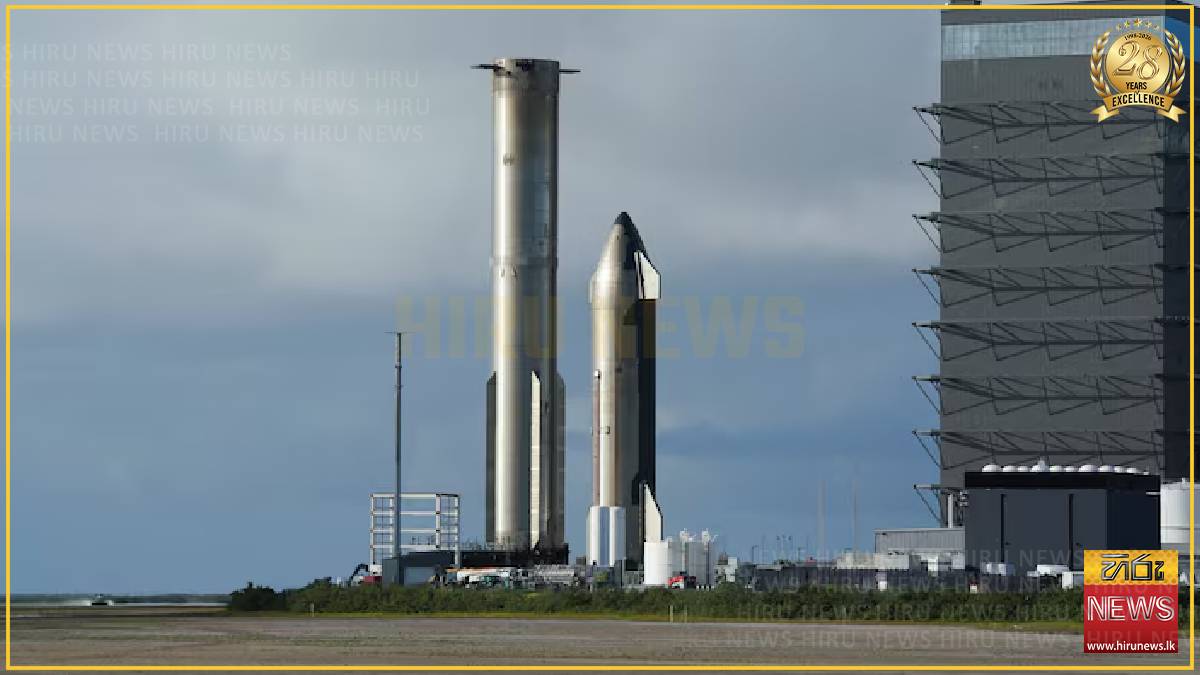
Share Post


Elon Musk may have pitched a future where space powers AI, but Wall Street analysts say SpaceX's near-term value remains firmly tethered to Earth, where it is building out the infrastructure underpinning the AI boom.
Infrastructure providers, particularly data centres, are poised to be among the biggest beneficiaries of the AI boom as businesses and consumers rapidly adopt the technology for applications ranging from software coding and robotics to everyday tasks such as shopping and planning.
SpaceX, a major AI player, has already started monetising compute by striking deals with enterprise customers, including Anthropic, for its Colossus supercomputer clusters.
In contrast, its orbital AI plan remains a longer-term opportunity that depends on the introduction of Starship rockets, lower launch costs and technological advances.
Company filings analysed by Reuters and commentary from research houses show that revenue from its latest compute contracts is set to far exceed sales from other segments this year.
"The narrative that (orbital) will fundamentally disrupt terrestrial data centers is a little bit overblown. Any kind of displacement of terrestrial data centers is 10 years plus out," said Anthony Milovantsev, a partner at consultancy firm Altman Solon.
J.P. Morgan expects SpaceX to expand terrestrial AI compute capacity to about 9 gigawatts by 2029 - roughly equivalent to four times the power generated by the Hoover Dam.
"Beyond 2029, we expect SpaceX to pivot to orbital compute for incremental capacity additions, while continuing to operate and maintain its terrestrial compute clusters," the brokerage said.
SpaceX's deals with Anthropic, Alphabet's Google and Reflection AI for its Colossus compute facilities are expected to generate more than $28 billion in annual revenue.
That figure far exceeds SpaceX's 2025 AI revenue of about $3.2 billion and surpasses revenue from its launch and Starlink connectivity businesses individually, according to Reuters calculations.
Analysts cautioned that the contracts contain termination provisions and should not be viewed as guaranteed long-term recurring revenue.
-Reuters
Infrastructure providers, particularly data centres, are poised to be among the biggest beneficiaries of the AI boom as businesses and consumers rapidly adopt the technology for applications ranging from software coding and robotics to everyday tasks such as shopping and planning.
SpaceX, a major AI player, has already started monetising compute by striking deals with enterprise customers, including Anthropic, for its Colossus supercomputer clusters.
In contrast, its orbital AI plan remains a longer-term opportunity that depends on the introduction of Starship rockets, lower launch costs and technological advances.
Company filings analysed by Reuters and commentary from research houses show that revenue from its latest compute contracts is set to far exceed sales from other segments this year.
"The narrative that (orbital) will fundamentally disrupt terrestrial data centers is a little bit overblown. Any kind of displacement of terrestrial data centers is 10 years plus out," said Anthony Milovantsev, a partner at consultancy firm Altman Solon.
J.P. Morgan expects SpaceX to expand terrestrial AI compute capacity to about 9 gigawatts by 2029 - roughly equivalent to four times the power generated by the Hoover Dam.
"Beyond 2029, we expect SpaceX to pivot to orbital compute for incremental capacity additions, while continuing to operate and maintain its terrestrial compute clusters," the brokerage said.
SpaceX's deals with Anthropic, Alphabet's Google and Reflection AI for its Colossus compute facilities are expected to generate more than $28 billion in annual revenue.
That figure far exceeds SpaceX's 2025 AI revenue of about $3.2 billion and surpasses revenue from its launch and Starlink connectivity businesses individually, according to Reuters calculations.
Analysts cautioned that the contracts contain termination provisions and should not be viewed as guaranteed long-term recurring revenue.
-Reuters
Latest News
China demonstrates key undersea missile capability
Local
10 July 2026

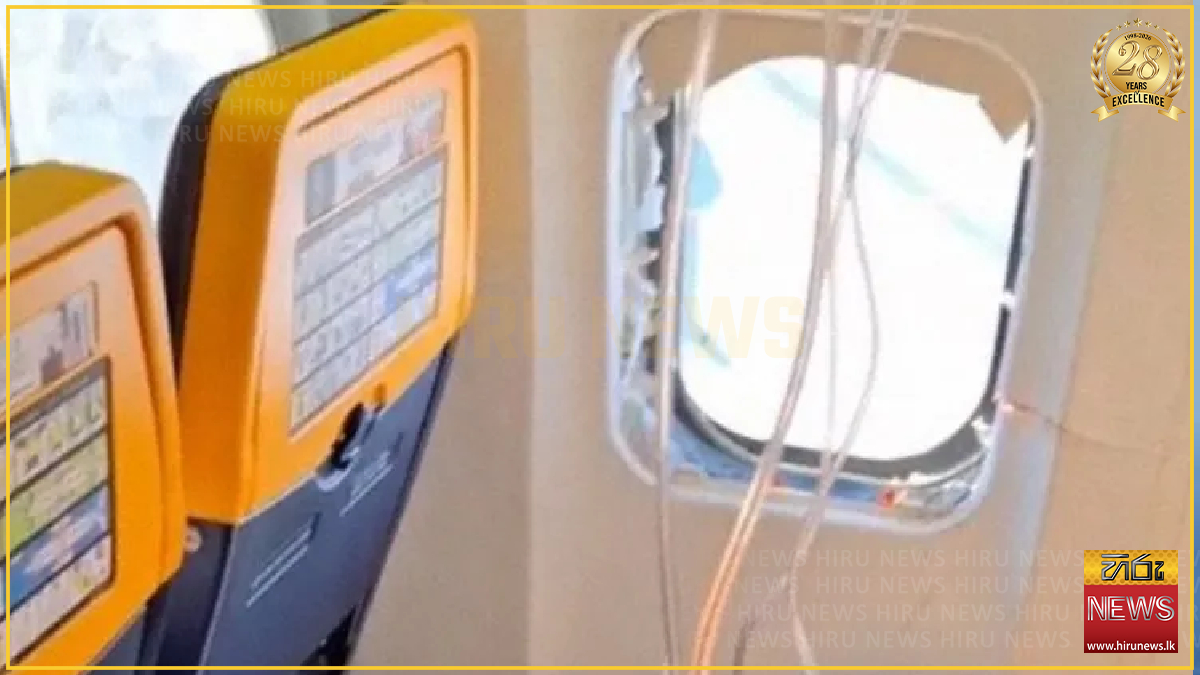
Passenger nearly sucked out of mid-air
Local
10 July 2026
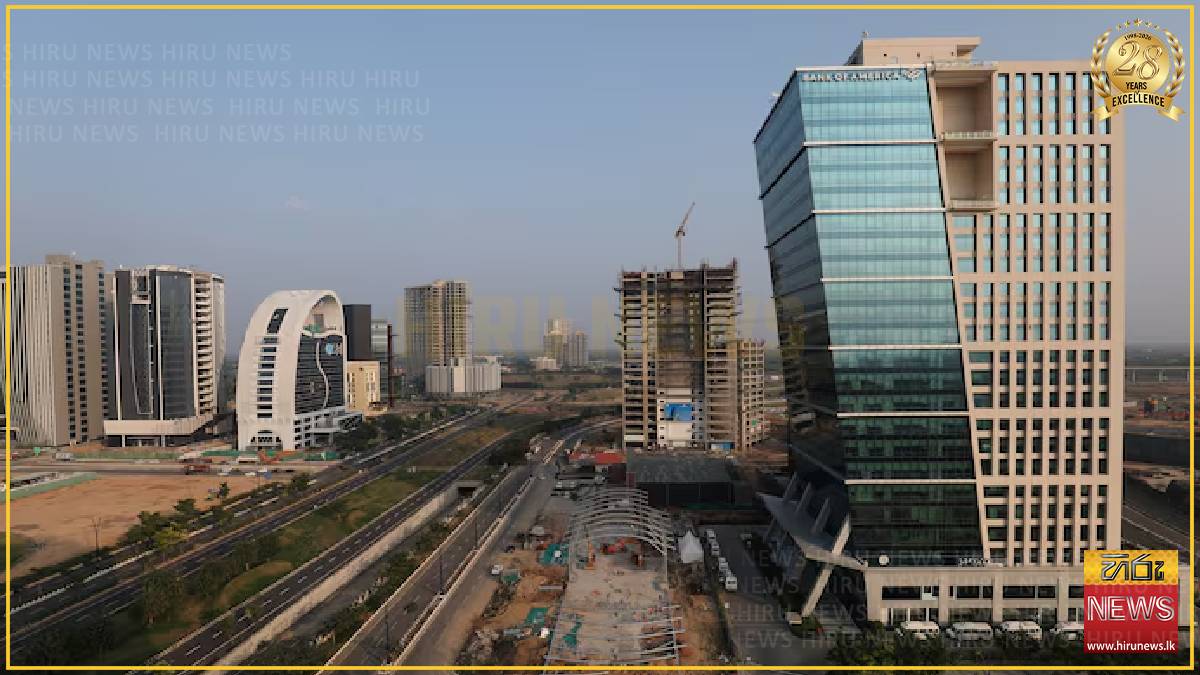
India exempts GIFT City units from licensing
Local
10 July 2026
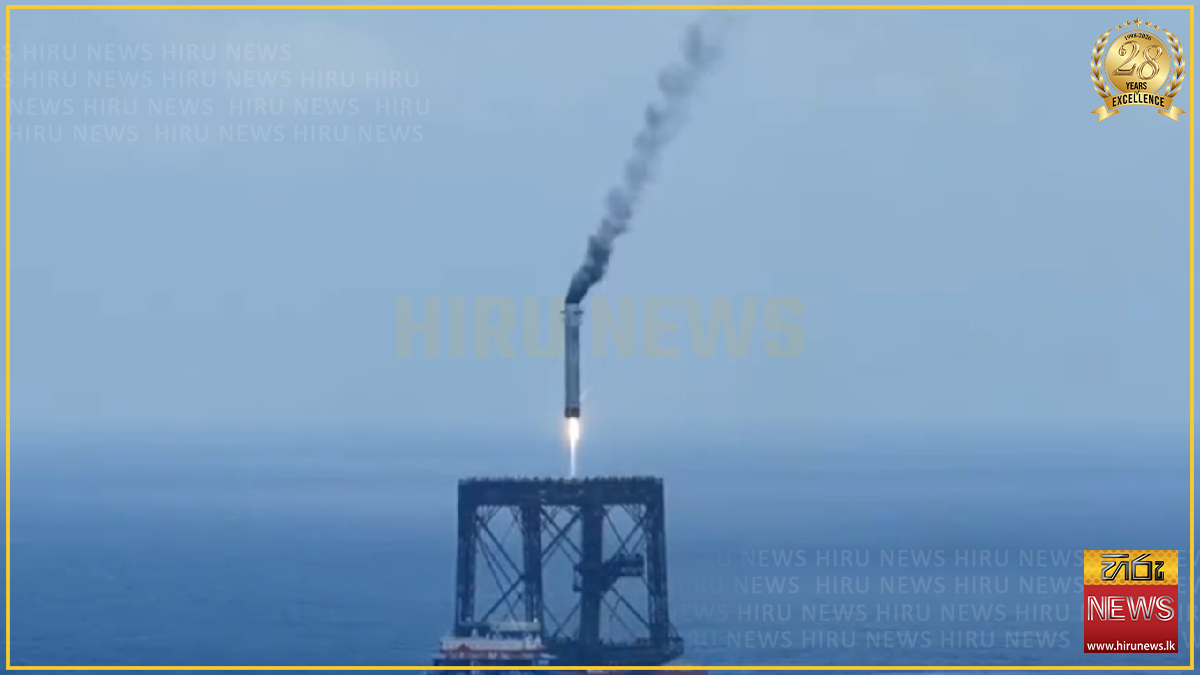
China lands reusable rocket for first time
Local
10 July 2026
Stranded oil tankers finally reach S’pore after months stuck in Mid-East
Local
10 July 2026
Japanese Government wants academics collaborating on defence research
Local
10 July 2026

England advised to avoid alcohol around matches
Local
10 July 2026

UK loses case over asylum seeker rejections
Local
10 July 2026

Sri Lanka and Pakistan to strengthen aviation, maritime cooperation
Local
10 July 2026

Yen climbs as Japan lures pension funds into domestic assets
Local
10 July 2026