


Share Post


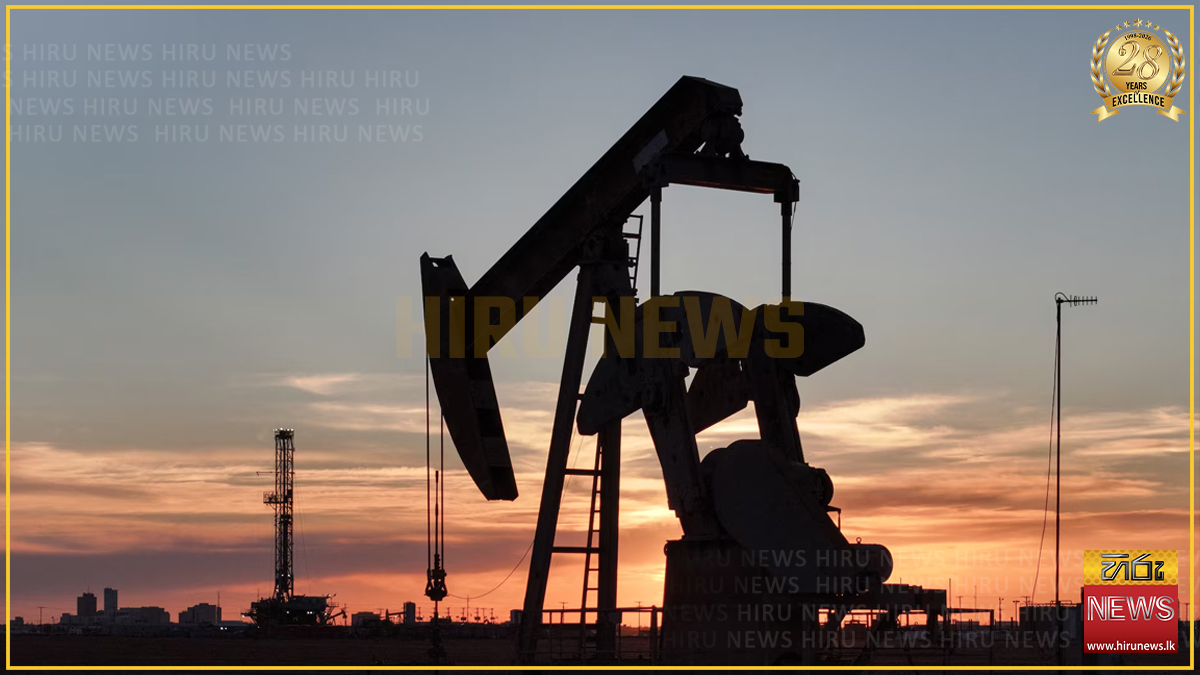
Oil prices jumped on Monday as Iran expanded strikes on Gulf states following attacks by the United States, threatening energy shipments via the Strait of Hormuz.
Brent crude futures climbed $2.34, or 3.08%, to $78.35 by 2311 GMT, while U.S. West Texas Intermediate crude rose $2.21, or 3.09%, to $73.62 a barrel.
Over the weekend, Tehran extended strikes on Qatar and the United Arab Emirates while the U.S. launched further strikes on Iran, the latest in a cycle of attacks and counter-attacks over shipping through the strait.
US President Donald Trump said on Sunday that the Strait of Hormuz is open to commercial traffic, although Iran declared earlier that it closed the strait after a vessel traveled on an unapproved route and was struck.
Six vessels transited the strait on Sunday, shiptracking data from Kpler showed, the lowest number in five weeks.
The escalating attacks cast further doubt on the future of an interim U.S.-Iranian agreement signed last month that aimed to reopen the strait and end the war after a further 60 days of negotiations.
Following the agreement, global oil supply rose by 4.1 million barrels per day in June, but remained 9.4 million bpd below pre-war levels, the International Energy Agency said in its monthly report on Friday.
"Hopes of a relatively quick resolution to the recent skirmishes may be in doubt after tension escalated over the weekend," ANZ analysts said in a note.
IG market analyst Tony Sycamore said the relatively tame rise in oil prices suggested the market was taking the view that the current flare up represented an escalation within a fragile truce and fell well short of a complete collapse of the ceasefire.
"How accurate that view is remains to be seen," he said in a note.
-Reuters
Brent crude futures climbed $2.34, or 3.08%, to $78.35 by 2311 GMT, while U.S. West Texas Intermediate crude rose $2.21, or 3.09%, to $73.62 a barrel.
Over the weekend, Tehran extended strikes on Qatar and the United Arab Emirates while the U.S. launched further strikes on Iran, the latest in a cycle of attacks and counter-attacks over shipping through the strait.
US President Donald Trump said on Sunday that the Strait of Hormuz is open to commercial traffic, although Iran declared earlier that it closed the strait after a vessel traveled on an unapproved route and was struck.
Six vessels transited the strait on Sunday, shiptracking data from Kpler showed, the lowest number in five weeks.
The escalating attacks cast further doubt on the future of an interim U.S.-Iranian agreement signed last month that aimed to reopen the strait and end the war after a further 60 days of negotiations.
Following the agreement, global oil supply rose by 4.1 million barrels per day in June, but remained 9.4 million bpd below pre-war levels, the International Energy Agency said in its monthly report on Friday.
"Hopes of a relatively quick resolution to the recent skirmishes may be in doubt after tension escalated over the weekend," ANZ analysts said in a note.
IG market analyst Tony Sycamore said the relatively tame rise in oil prices suggested the market was taking the view that the current flare up represented an escalation within a fragile truce and fell well short of a complete collapse of the ceasefire.
"How accurate that view is remains to be seen," he said in a note.
-Reuters
Latest News
Sri Lanka tourism earnings fall 11.8% as budget travel rises
Local
13 July 2026

Spain wildfire death toll climbs
Local
13 July 2026
Former Emir of Qatar Sheikh Hamad bin Khalifa Al Thani dies
Local
13 July 2026

Madonna tops Billboard 200 with ‘Confessions II’
Local
13 July 2026

‘Love Island USA’ season 8 crowns its winners
Local
13 July 2026

‘Michael’ crosses USD 1 billion
Local
13 July 2026

US insists Strait of Hormuz is open as it exchanges strikes with Iran
Local
13 July 2026

Europe reports more than 10,000 excess deaths during heatwave
Local
13 July 2026

Negombo Prison inmates’ court hearings to continue via video link
Local
13 July 2026

Fonterra lowers 2026/27 milk price outlook
Local
13 July 2026