
Share Post


Sri Lanka will formally declare the opening of its offshore oil and natural gas exploration licensing round this year, according to the state-run Petroleum Development Authority of Sri Lanka.
The agency described the licensing round as a strategic measure intended to draw international energy firms to explore and develop Sri Lanka's offshore hydrocarbon reserves.
It noted that prior exploration activities have already verified commercially viable natural gas deposits off the island's western coast. The timely extraction of these reserves would help guarantee national energy security while serving as a key driver for domestic industrial development.
The Petroleum Development Authority is set to disclose detailed specifications regarding the new licensing framework on Tuesday.
Sri Lanka's efforts to explore offshore oil and gas reserves date back to the late 1960s, initially concentrating on shallow offshore zones within the Gulf of Mannar and the Cauvery Basin.
Early drilling efforts yielded only modest technical progress until 2011, when Cairn Lanka, then a unit of Cairn India, achieved a major breakthrough by discovering notable natural gas deposits across two deepwater wells in the Mannar Basin.
Those discoveries confirmed the existence of commercially viable natural gas and condensate reserves.
Nevertheless, owing to deepwater extraction challenges, an absence of local natural gas infrastructure, and shifting global energy markets, commercial development never took off, leading Cairn to relinquish the block in 2015.
After a prolonged period of inactivity, Sri Lanka updated its regulatory environment by passing the Petroleum Resources Act in 2021 and establishing the Petroleum Development Authority of Sri Lanka to oversee exploration rights and revise offshore block boundaries.
To reignite foreign investment and reduce its heavy reliance on imported coal and oil, the nation implemented updated joint-study regulations and established new licensing systems.
These measures are designed to entice global oil and gas giants to explore and commercialise the prospective hydrocarbon resources located across its three main sedimentary basins: the Mannar, Cauvery, and Lanka Basins.
The agency described the licensing round as a strategic measure intended to draw international energy firms to explore and develop Sri Lanka's offshore hydrocarbon reserves.
It noted that prior exploration activities have already verified commercially viable natural gas deposits off the island's western coast. The timely extraction of these reserves would help guarantee national energy security while serving as a key driver for domestic industrial development.
The Petroleum Development Authority is set to disclose detailed specifications regarding the new licensing framework on Tuesday.
Sri Lanka's efforts to explore offshore oil and gas reserves date back to the late 1960s, initially concentrating on shallow offshore zones within the Gulf of Mannar and the Cauvery Basin.
Early drilling efforts yielded only modest technical progress until 2011, when Cairn Lanka, then a unit of Cairn India, achieved a major breakthrough by discovering notable natural gas deposits across two deepwater wells in the Mannar Basin.
Those discoveries confirmed the existence of commercially viable natural gas and condensate reserves.
Nevertheless, owing to deepwater extraction challenges, an absence of local natural gas infrastructure, and shifting global energy markets, commercial development never took off, leading Cairn to relinquish the block in 2015.
After a prolonged period of inactivity, Sri Lanka updated its regulatory environment by passing the Petroleum Resources Act in 2021 and establishing the Petroleum Development Authority of Sri Lanka to oversee exploration rights and revise offshore block boundaries.
To reignite foreign investment and reduce its heavy reliance on imported coal and oil, the nation implemented updated joint-study regulations and established new licensing systems.
These measures are designed to entice global oil and gas giants to explore and commercialise the prospective hydrocarbon resources located across its three main sedimentary basins: the Mannar, Cauvery, and Lanka Basins.
Latest News
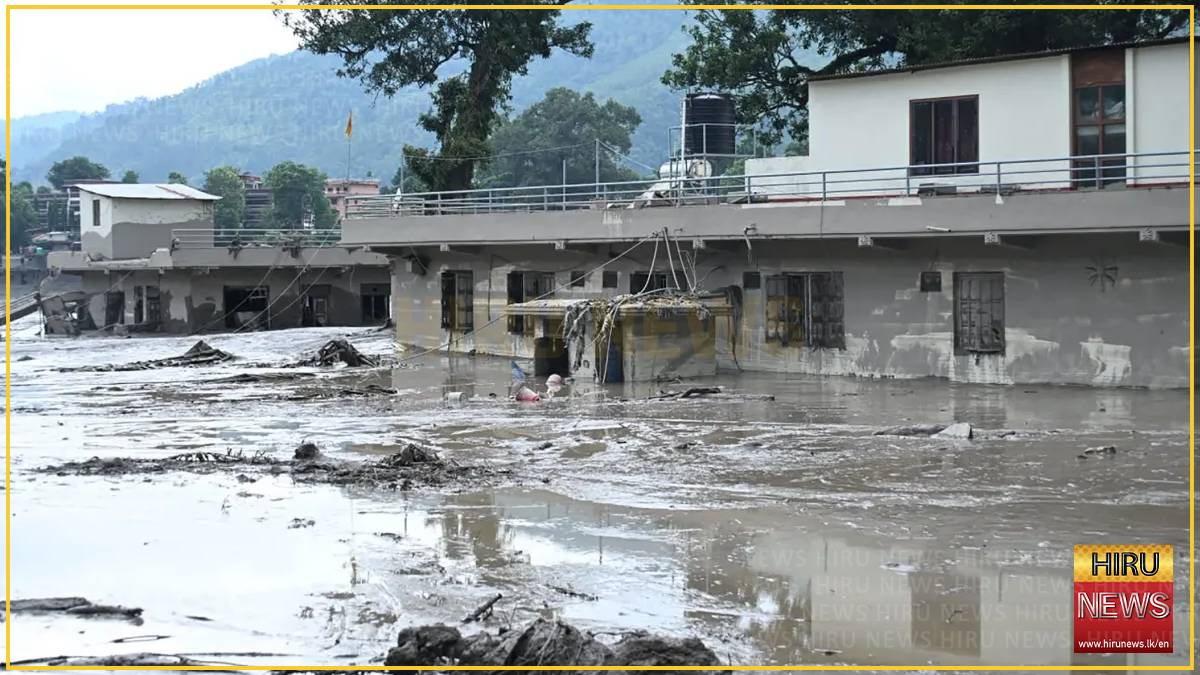
Nepal floods deathtoll hits 98
Local
26 August 2026
Meta Settles Child Harm Claims for Up to $16.68 Billion
Local
26 August 2026

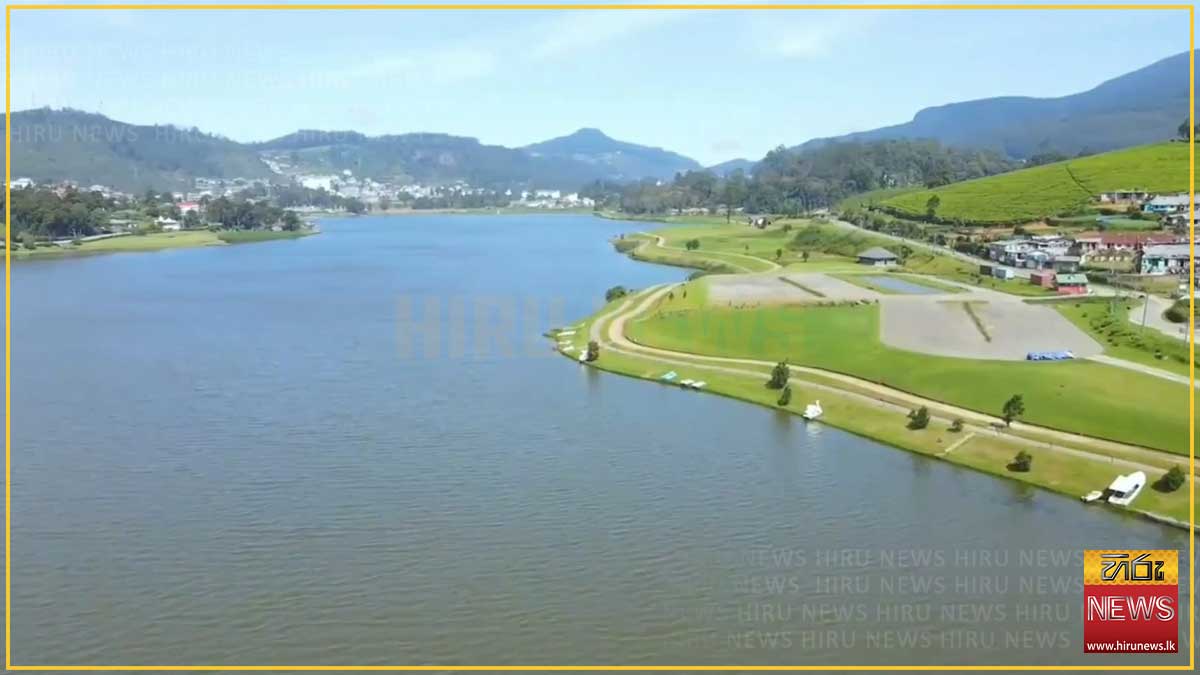
Lake Gregory severely polluted, CEA warns of health risk
Local
26 August 2026
Rumesh Tharanga back on top of global javelin rankings
Local
26 August 2026

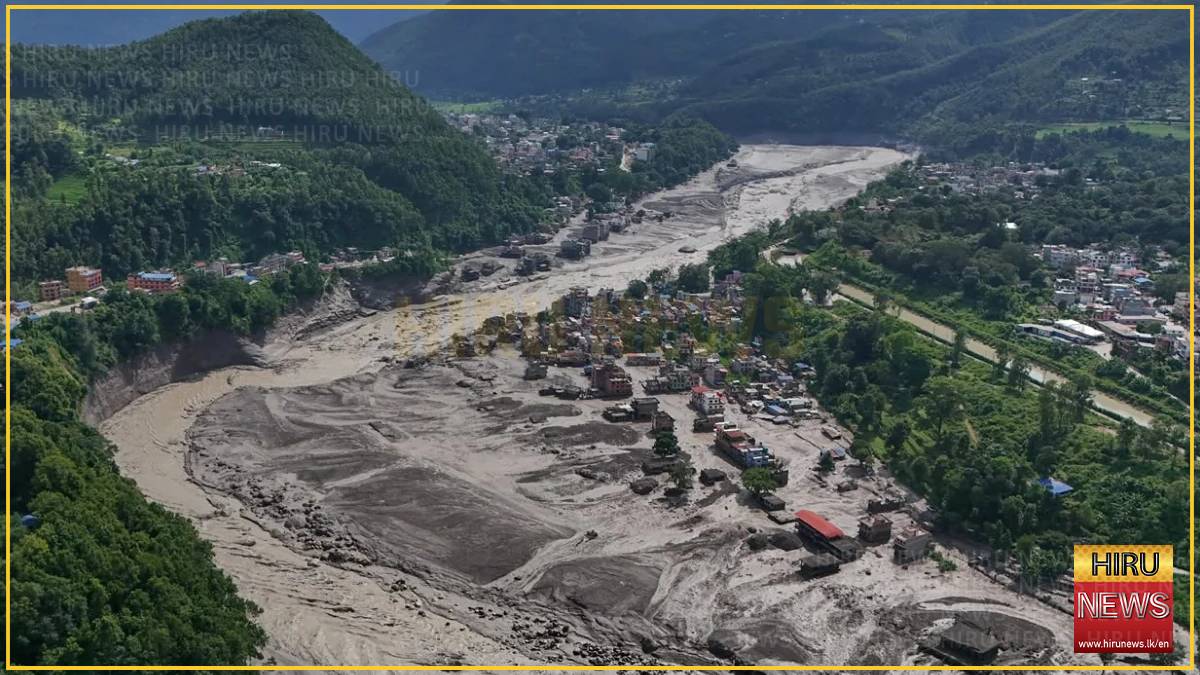
Deadly Nepal flash flood Kills 31, hundreds missing
Local
26 August 2026
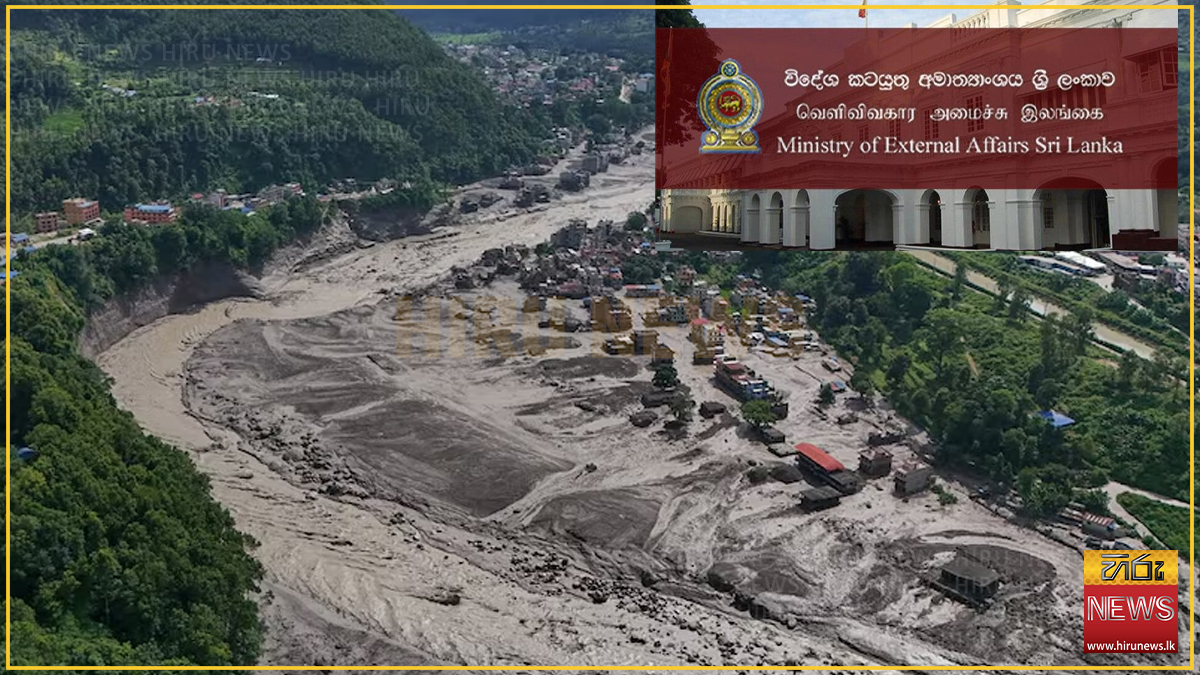
No Sri Lankans reported affected by Nepal floods
Local
26 August 2026
New prison coordination system launched to strengthen emergency response
Local
26 August 2026
Sri Lanka fight back to lead India by 16 runs on day four
Local
26 August 2026

Sri Lanka’s economy nears pre-crisis level: CBSL Governor
Local
26 August 2026

Kehelbaddara Padme transferred to Boossa prison
Local
26 August 2026