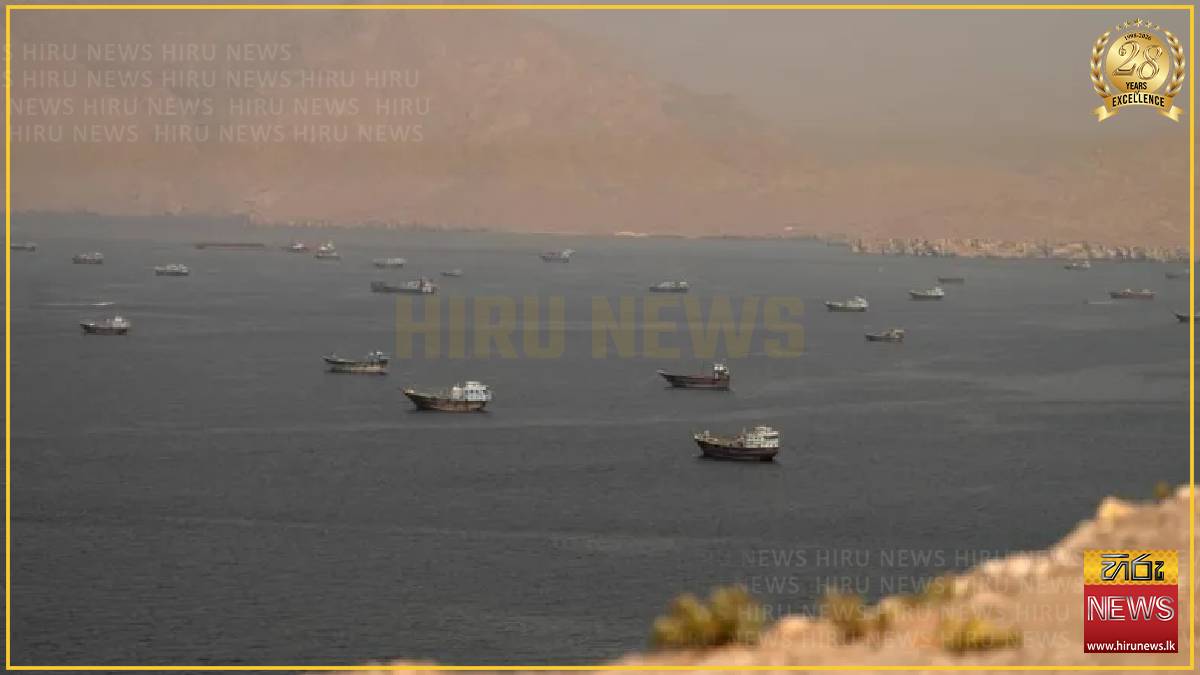
The US has launched "powerful" strikes on Iran in response to attacks on three oil tankers in the Strait of Hormuz.
US Central Command (Centcom) said on Tuesday it had hit over 80 targets, including more than 60 Islamic Revolutionary Guard Corps (IRGC) small boats in the strait.
Iran's deputy foreign minister called the US attacks a violation of the US-Iran memorandum signed last month, and warned that Tehran would "take decisive measures".
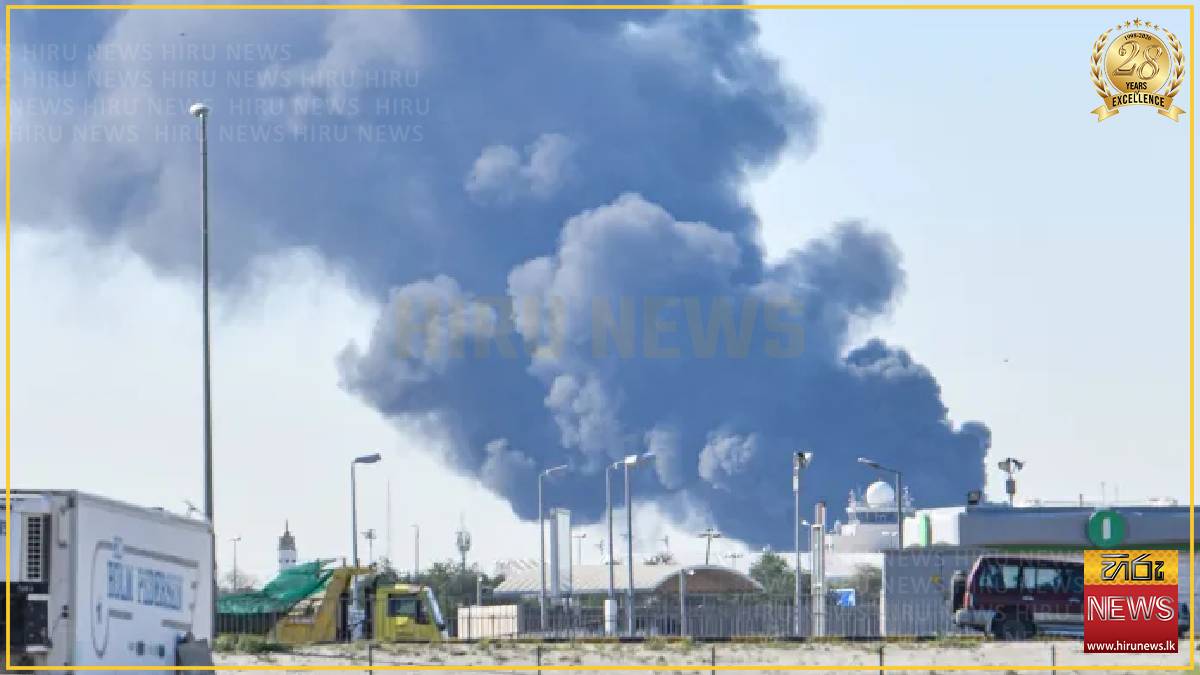
Iranian state media said strikes hit Qeshm island, Bandar Abbas and Sirik, where people have been injured by shrapnel. Iran has not directly claimed responsibility for the attacks on the three tankers that led to the US launching strikes.
Centcom said in addition to the 60 small boats, it had struck Iranian missile launch sites and command centres. It did not give locations of its targets.
The US had said there would be consequences to what it has called the "wholly unacceptable" attacks on the three tankers.
Centcom said the US strikes were"to impose heavy costs for targeting and attacking commercial shipping crewed by innocent individuals in an international waterway".
Before the strikes, the US Treasury revoked a waiver that had temporarily lifted oil sanctions on Iran, and was part of the memorandum of understanding signed by Washington and Tehran last month.
Iran's foreign ministry called the move a breach of the memorandum and said it proved the "bad faith, inconsistency, and unreliability" of the US government.
It added that Tehran "will take whatever measures it considers necessary to safeguard its national interests and national security".
Speaking on the condition of anonymity before Centcom's announcement of fresh strikes, the US official insisted that US negotiators would continue to work in "good faith" towards a final deal with Iran.
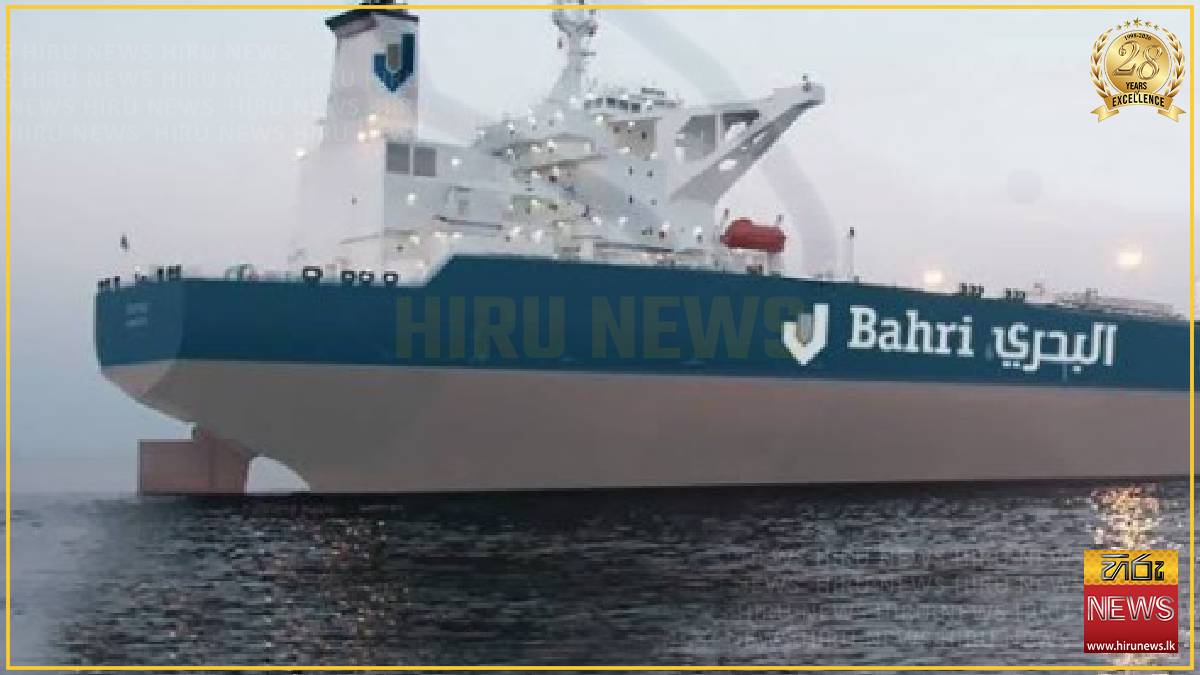
Qatar and Saudi Arabia also denounced the attacks, each saying a tanker from its country had been hit while transiting in or near the strait, and blaming Iran.
Qatar's foreign ministry spokesperson Majed Al Ansari said it held Iran "fully responsible" for an apparent targeted attack on a vessel called Al-Rekayyat as it transited near the strait.
Qatar demanded that Iran "immediately cease all practices that undermine regional security" and "refrain from endangering global energy supplies & the resources of the countries of the region in pursuit of narrow interests", he added in a post on X.
In a separate social media post, Saudi Arabia's foreign ministry said Iran had targeted the Saudi tanker Wadyan as it crossed the strait.
It added that the assaults were "an attack on the security and safety of international navigation, and the security of global energy supplies".
Iran's foreign ministry spokesman Esmail Baghaei described Qatar's accusations as "contrary to the principle of good neighbourliness".
In a statement, posted to Telegram, he added that commercial vessels using routes not co-ordinated with Iran or tampering with the ship's tracking face a risk of collision and disrupt Iran's efforts to "facilitate safe transit" in the strait.
The UKMTO said a tanker travelling through the strait had reported a fire after an unknown projectile hit an engine room on Monday.
In two separate incidents on Tuesday, a tanker reported being hit as it exited the strait but was able to proceed to its next port of call, while another tanker reported sustaining minor structural damage after being struck, the organisation said.
The US-Iran memorandum of understanding, agreed last month, extended a ceasefire between the two countries.
The 14-point agreement would put an end to all conflict "on all fronts", says that Iran will never have a nuclear weapon, and also commits a $300bn (£220bn) fund for the "reconstruction and economic development" of the country - although the US is not required to contribute.
As part of the agreement Iran and Oman, which both border Hormuz, must hold talks "to define the future administration and maritime services" in the waterway with other Gulf states.
Tehran effectively closed the Strait of Hormuz, through which about a fifth of the world's oil and gas supplies are usually transported, following US and Israeli strikes on 28 February.
During the conflict Iran sought to assert its sovereignty over the strait, including by establishing the "Persian Gulf Strait Authority" which it said would manage "safe passage permits".
Iran's Fars news agency has reported that under the new deal with the US the strait would ultimately be managed by Iran in co-ordination with Oman, including possible "service fees" for ships to transit the waterway.
-BBC