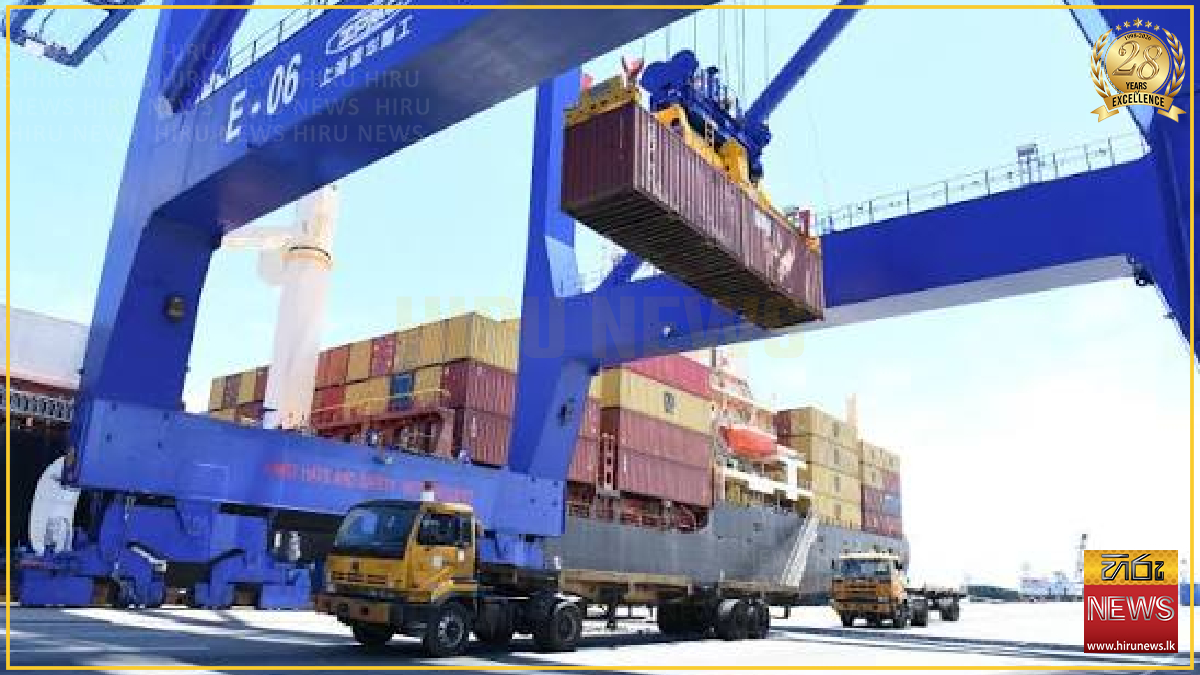
A new support initiative is currently in the works to cushion the blow for local businesses set to lose their protectionist shields, as paratariffs, including Port and Airport Development Levy (PAL) and Export Development Board Cess (CESS), face complete elimination by 2029.
The Ministry of Industry and Entrepreneurship Development Additional Secretary, S W C Jayamini, laid out this reality check for the Committee on Public Finance on Monday.
Acknowledging fierce resistance from manufacturers clinging to their safety nets since August 2025, the Ministry proposed a dedicated survival plan to align with the government’s export-driven agenda.
The strategy involves enforcing strict import standards, coordinating backward auditing, and encouraging the actual use of anti-dumping laws, which most sectors conveniently ignore.
Highlighting the ticking clock for local manufacturers to survive the harsh reality of global competition, Committee Chairperson Harsha de Silva questioned what interventions could save these previously sheltered sectors over the next few years.
In response, Department of Trade and Investment Director General Ishani Abeyratne assured the committee that the training wheels are not entirely off just yet.
She pointed out that roughly 20% of protections still remain for certain industries under a phased removal approach, guided by the United Nations Classification by Broad Economic Categories.
Confirming the pivot to international standards, Deputy Minister of Industries Chathuranga Abeysinghe noted the World Bank and the Ministry were fully briefed on using this classification system.
Meanwhile, officials warned that while tweaking custom import duties might offer a temporary plaster for some, industries bound by Free Trade Agreements will simply need to learn to compete, as raising tariffs under those agreements remains an absolute non-starter.
The Ministry of Industry and Entrepreneurship Development Additional Secretary, S W C Jayamini, laid out this reality check for the Committee on Public Finance on Monday.
Acknowledging fierce resistance from manufacturers clinging to their safety nets since August 2025, the Ministry proposed a dedicated survival plan to align with the government’s export-driven agenda.
The strategy involves enforcing strict import standards, coordinating backward auditing, and encouraging the actual use of anti-dumping laws, which most sectors conveniently ignore.
Highlighting the ticking clock for local manufacturers to survive the harsh reality of global competition, Committee Chairperson Harsha de Silva questioned what interventions could save these previously sheltered sectors over the next few years.
In response, Department of Trade and Investment Director General Ishani Abeyratne assured the committee that the training wheels are not entirely off just yet.
She pointed out that roughly 20% of protections still remain for certain industries under a phased removal approach, guided by the United Nations Classification by Broad Economic Categories.
Confirming the pivot to international standards, Deputy Minister of Industries Chathuranga Abeysinghe noted the World Bank and the Ministry were fully briefed on using this classification system.
Meanwhile, officials warned that while tweaking custom import duties might offer a temporary plaster for some, industries bound by Free Trade Agreements will simply need to learn to compete, as raising tariffs under those agreements remains an absolute non-starter.