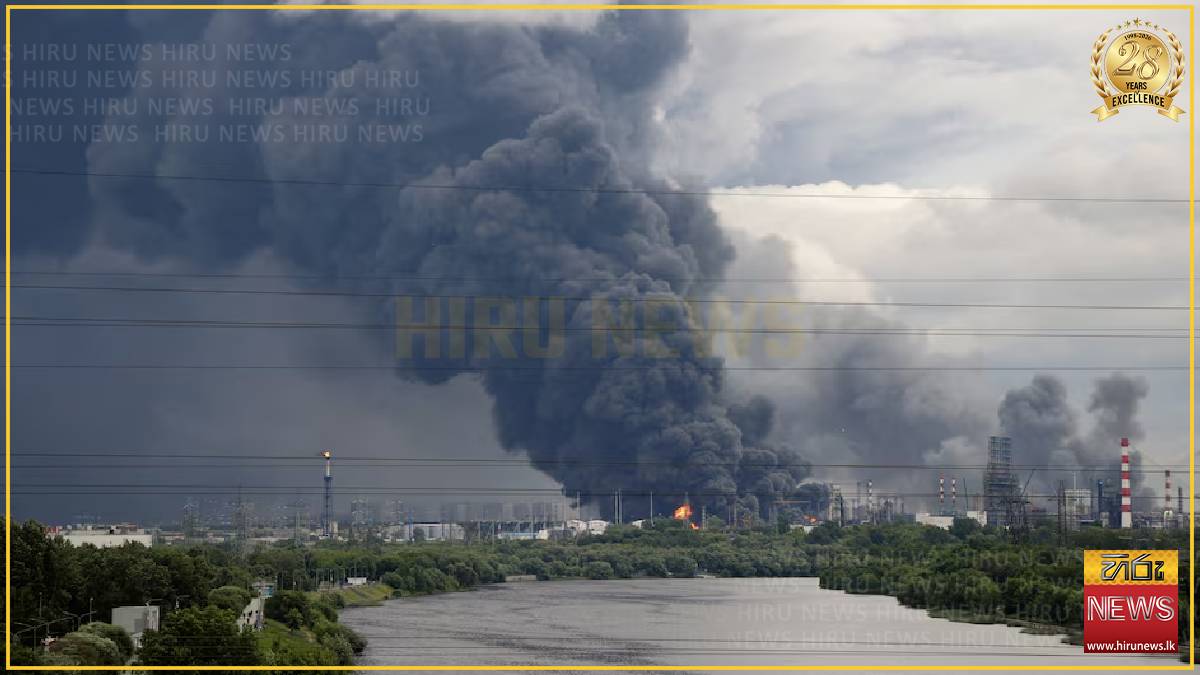
Iranian armed forces launched attacks on US military infrastructure in Gulf states on Thursday following US strikes on Iran's southern coastal and eastern provinces, putting further strain on a three-week-old ceasefire agreement.
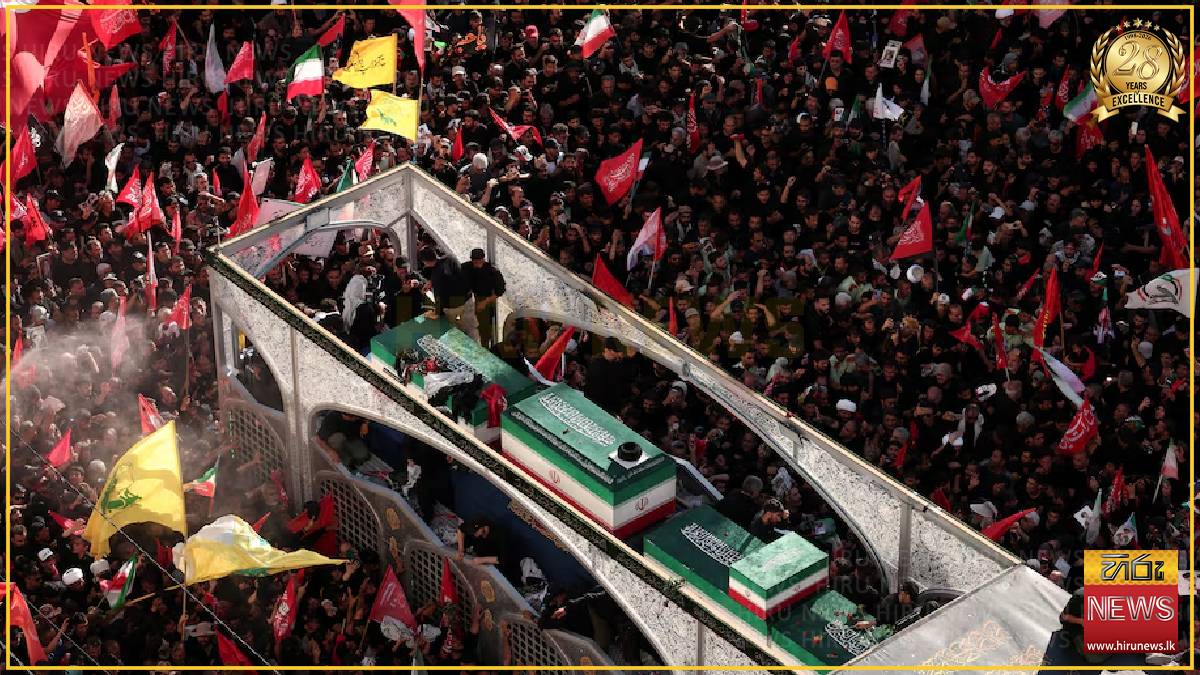
The attacks came on the day that Iran buried its slain Supreme Leader Ayatollah Ali Khamenei at a shrine in Mashhad, the culmination of a week of mass funeral processions and rallies.
Khamenei was killed in a US airstrike on the first day of the war on February 28.
Khamenei's body was carried by truck slowly through crammed streets towards the Shrine of Imam Reza.
Black-clad mourners waved Iranian flags, photographs of the late leader and red placards with revolutionary slogans.
Iran's Revolutionary Guards Navy said the US attacks and intervention in redirecting shipping through the Strait of Hormuz were disrupting the waterway's gradual reopening.
The Guards said the number of vessels transiting the strait under Iranian supervision had recovered to about 50% of pre-war levels over the past two weeks, adding that permission was being granted only to ships using routes designated by Tehran.
Any further U.S. intervention will draw a "crushing response", the Guards said.
The U.S. military said on Wednesday that its latest strikes were aimed at keeping the Strait open after it said Iranian forces had struck three tankers in the area.
The assault came hours after US President Donald Trump said he believed the interim ceasefire with Iran to be "over".
While Iran has not claimed responsibility for the ship attacks, analysts say Tehran uses such actions to gain leverage in negotiations.
-Reuters
The attacks came on the day that Iran buried its slain Supreme Leader Ayatollah Ali Khamenei at a shrine in Mashhad, the culmination of a week of mass funeral processions and rallies.
Khamenei was killed in a US airstrike on the first day of the war on February 28.
Khamenei's body was carried by truck slowly through crammed streets towards the Shrine of Imam Reza.
Black-clad mourners waved Iranian flags, photographs of the late leader and red placards with revolutionary slogans.
Iran's Revolutionary Guards Navy said the US attacks and intervention in redirecting shipping through the Strait of Hormuz were disrupting the waterway's gradual reopening.
The Guards said the number of vessels transiting the strait under Iranian supervision had recovered to about 50% of pre-war levels over the past two weeks, adding that permission was being granted only to ships using routes designated by Tehran.
Any further U.S. intervention will draw a "crushing response", the Guards said.
The U.S. military said on Wednesday that its latest strikes were aimed at keeping the Strait open after it said Iranian forces had struck three tankers in the area.
The assault came hours after US President Donald Trump said he believed the interim ceasefire with Iran to be "over".
While Iran has not claimed responsibility for the ship attacks, analysts say Tehran uses such actions to gain leverage in negotiations.
-Reuters