UNESCO has urged governments and international lenders to expand debt-for-education swaps to help tackle a worsening education financing crisis, warning that 113 countries now spend more on servicing debt than on educating their populations.
The U.N. Educational, Scientific and Cultural Organization (UNESCO) launched new guidance on debt swaps at a global education summit in Paris on Friday, arguing that the mechanism could help heavily indebted countries redirect scarce resources towards schools, teacher training and student support.
Debt-for-education swaps allow countries to refinance or buy back expensive debt and channel the savings into education.
The World Bank has recently started backing such arrangements, and UNESCO pointed to bilateral examples including a 2023 agreement with France that helped Ivory Coast finance the construction of more than 30 schools, and a Spain-Peru programme that funded 50 education projects over a decade.
UNESCO's call comes as new research highlights mounting pressure on education budgets worldwide. According to the agency, 113 countries, home to 6.1 billion people, spend more on debt servicing than on education.
In low-income countries, debt payments are nearly four times higher than education spending. In 18 of the most heavily indebted countries, they exceed education budgets by at least fivefold.
UNESCO also warned that international support for education is shrinking. Its Global Education Monitoring Report projects that global aid to education could fall by as much as 30% between 2023 and 2027.
Aid to education fell 8% in 2024 from the previous year, while funding for basic education dropped 15%.
Low- and lower-middle-income countries have already lost 21% of the education aid they received in 2023, UNESCO said. Afghanistan, Liberia, Mali and Niger have seen declines of more than 40%.
Education's share of total development assistance fell to 7.5% in 2024, the lowest level in two decades, UNESCO said. It estimated that low- and lower-middle-income countries face an annual education financing gap of $97 billion.
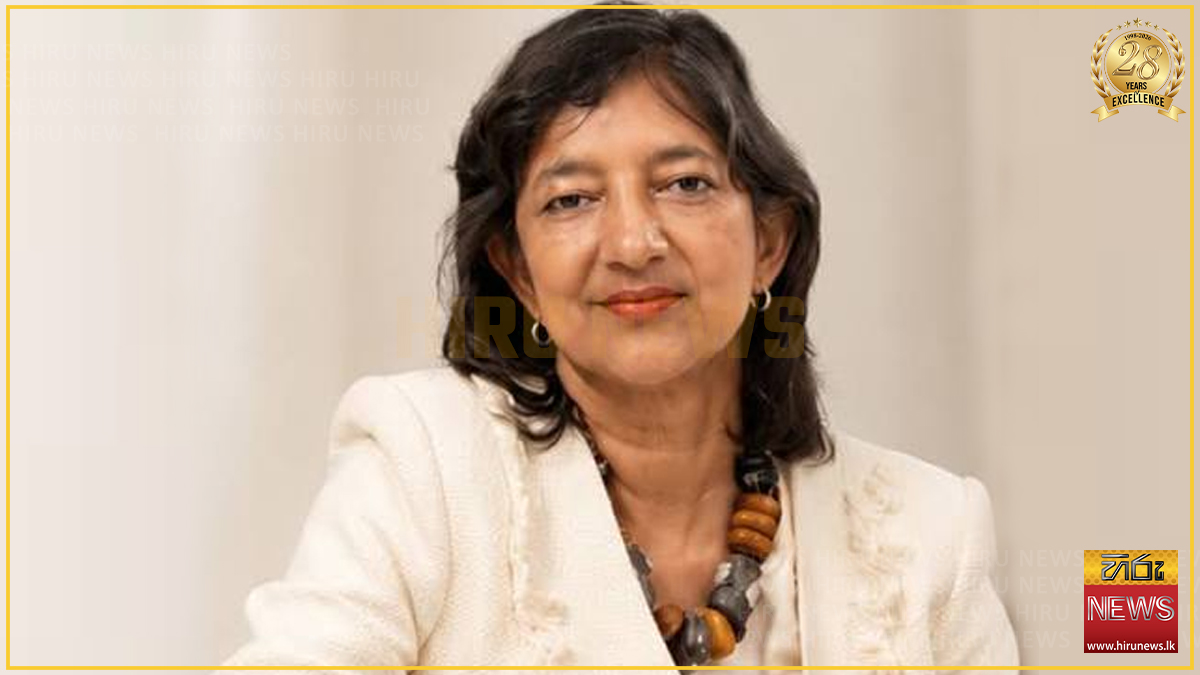
"Education is the most powerful investment countries can make, yet it is being systematically underfunded," UNESCO Director-General Khaled El-Enany said, calling for greater political support to scale up innovative financing tools.
The findings were released at the Transforming Education Summit+4, which is bringing together ministers, development banks and international organisations to assess progress towards the U.N.'s goal of ensuring inclusive and equitable quality education for all by 2030.
-Reuters
The U.N. Educational, Scientific and Cultural Organization (UNESCO) launched new guidance on debt swaps at a global education summit in Paris on Friday, arguing that the mechanism could help heavily indebted countries redirect scarce resources towards schools, teacher training and student support.
Debt-for-education swaps allow countries to refinance or buy back expensive debt and channel the savings into education.
The World Bank has recently started backing such arrangements, and UNESCO pointed to bilateral examples including a 2023 agreement with France that helped Ivory Coast finance the construction of more than 30 schools, and a Spain-Peru programme that funded 50 education projects over a decade.
UNESCO's call comes as new research highlights mounting pressure on education budgets worldwide. According to the agency, 113 countries, home to 6.1 billion people, spend more on debt servicing than on education.
In low-income countries, debt payments are nearly four times higher than education spending. In 18 of the most heavily indebted countries, they exceed education budgets by at least fivefold.
UNESCO also warned that international support for education is shrinking. Its Global Education Monitoring Report projects that global aid to education could fall by as much as 30% between 2023 and 2027.
Aid to education fell 8% in 2024 from the previous year, while funding for basic education dropped 15%.
Low- and lower-middle-income countries have already lost 21% of the education aid they received in 2023, UNESCO said. Afghanistan, Liberia, Mali and Niger have seen declines of more than 40%.
Education's share of total development assistance fell to 7.5% in 2024, the lowest level in two decades, UNESCO said. It estimated that low- and lower-middle-income countries face an annual education financing gap of $97 billion.
"Education is the most powerful investment countries can make, yet it is being systematically underfunded," UNESCO Director-General Khaled El-Enany said, calling for greater political support to scale up innovative financing tools.
The findings were released at the Transforming Education Summit+4, which is bringing together ministers, development banks and international organisations to assess progress towards the U.N.'s goal of ensuring inclusive and equitable quality education for all by 2030.
-Reuters