


Sri Lanka’s Central Bank has set an inflation target of 5%, but economists and policy experts are increasingly concerned that this benchmark may be too high for the country’s current economic realities.
January’s national inflation data, released on Monday (23), showed an overall 2.4% inflation rate—a 0.5% decline from December.
Non-food inflation also eased to 3.4% from 4.4% in the previous month. Despite these declines, the Central Bank expects inflation to reach the 5% target by the start of the third quarter, potentially putting additional pressure on consumers.
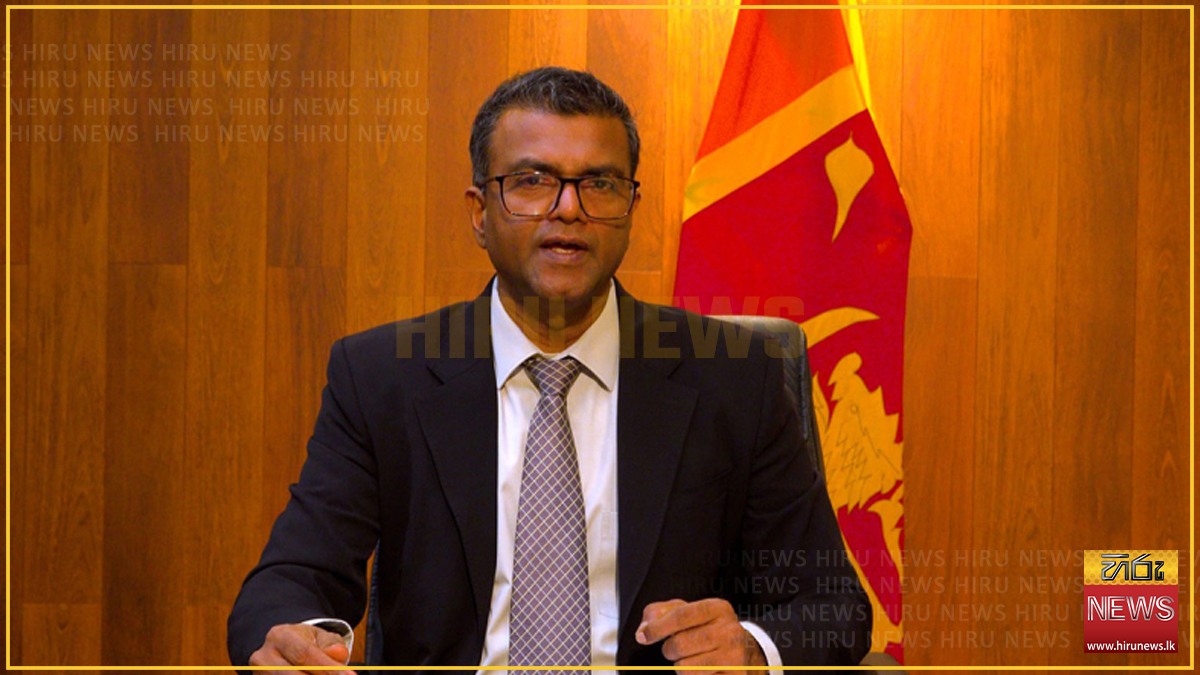
Dhananath Fernando, CEO of the think tank Advocata, explained why the current target may be problematic.
“We need to understand that inflation is not a target; actually, it should be a ceiling. In my view, the 5% inflation target is slightly high, because inflation dilutes the value of money. The Central Bank probably set 5% due to Sri Lanka’s debt structure and other reasons, but I believe it should be around 2%.
We already have the macro framework to keep inflation low and manageable. In that sense, the Central Bank not hitting the 5% target is good news rather than exceeding it. After experiencing around 70% inflation during the crisis, people are still struggling to manage at this level of economic outlook.”
Fernando further suggested revising the target to reduce pressure on households.
“If the Central Bank starts trying to hit the 5% target, it will add more pressure on people due to high food prices and will dilute the value of their earnings. One sensible approach is to revise the target, though it would require some amendments to the Central Bank’s independence. Inflation should remain in single digits, preferably lower, to ensure stability and a predictable investment climate.”
Earlier, Dr. W. A. Wijewardena, former Deputy Governor of the Central Bank, also argued that 5% is too high for Sri Lanka.
“Globally, the best practice for inflation targets is about 2% per year, with a 1% allowance up or down. At 2-3%, when productivity rises at the same level, the real purchasing power of people remains unaffected.
But a 5% target enables politicians to expand the money supply beyond sustainable levels. For instance, if inflation is 7% and real economic growth is 5%, they could increase the money supply by 12% and finance the budget by borrowing from commercial banks. This helps governments that cannot finance themselves through taxation or non-banking borrowing.”
He added that the current inflation rate presents an opportunity to negotiate a lower target:
“Since inflation is currently around 2%, the Governor should negotiate for a lower target. That way, as productivity rises by 2-3% annually, real wealth levels for people remain stable.”
Latest News
European Union mobilises Euro 2.6mn to strengthen SL civil society

Sri Lanka implements digital motor insurance card to modernise verification system

HSBC services to stop from today
Russia says OPEC+ will continue after UAE exit

Health Ministry receives tobacco-free future concept paper

Harshana Suriyapperuma arrives at parliament to appear before CoPF
Nuwara Eliya’s first private school, Republican International, marks 36 years, unveils major expansion plans

Bangladesh’s food insecurity warning cannot be ignored
Iran Foreign Minister Araghchi dials S Jaishankar

Severe lightning warning issued for several areas