



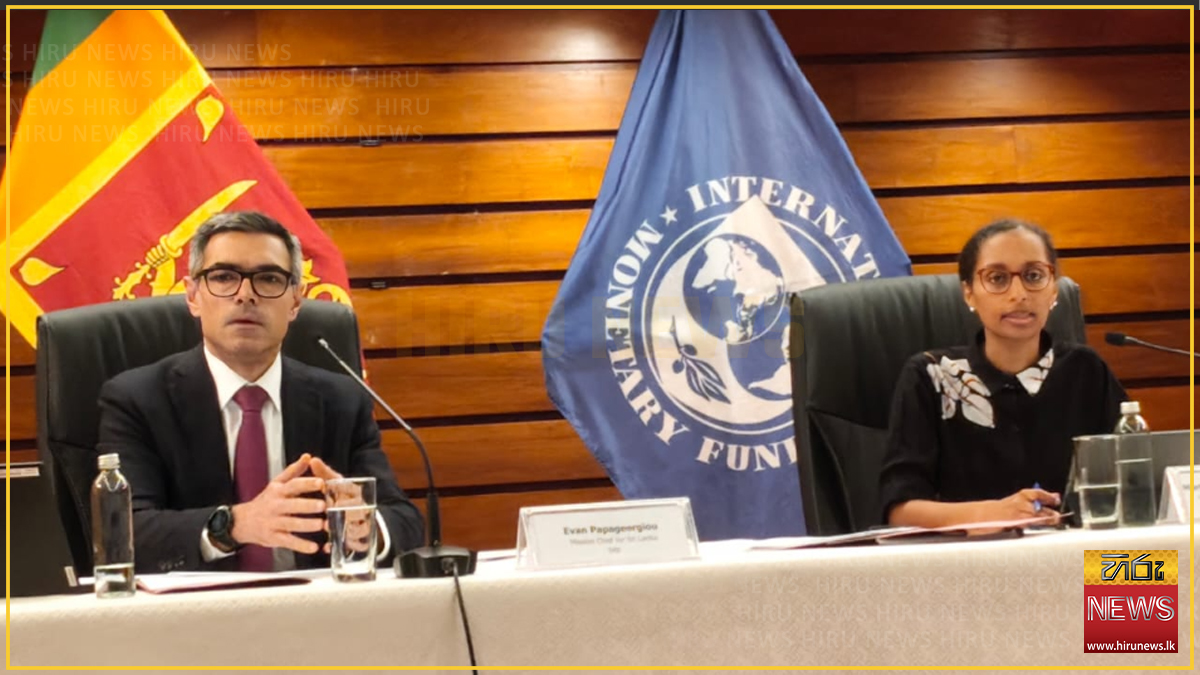


Recent losses incurred by the electricity board from coal imports were one contributing factor to the increase in Sri Lanka’s electricity tariffs, Evan Papageorgiou, mission chief of the International Monetary Fund, said at a conference held at the Central Bank of Sri Lanka today.
Papageorgiou stressed that tariff adjustments in the electricity sector were necessary to ensure the financial viability of the board.
“An increase of this nature in electricity tariffs was also recommended by us,” he said.
Responding to a query on whether recent losses from coal shipments contributed to the financial strain of the Ceylon Electricity Board, he acknowledged that they had.
“It is true that these imports had some negative impact on the profits of the electricity board, and were therefore one contributing factor to the increase in electricity tariffs,” he said.
However, he declined to elaborate further, noting that improved coordination among relevant stakeholders would be essential to avoid similar issues in the future.
Papageorgiou also acknowledged the potential economic impact of higher tariffs, particularly on vulnerable consumers.
“We understand that these tariff increases could have a significant impact, especially on those consuming less than 90 units per month. We have therefore requested the government to consider providing relief for this segment,” he said.
Latest News
ABC accuses FCC of ‘unconstitutional retaliation’ in station license fight

Northern Lebanon airport revival brings economic hope for the region

Portugal to offer fast-track areas for wind, solar projects

EU countries scale back plan to fund power grids

Norsk Hydro to shut two US plants, cutting 350 jobs

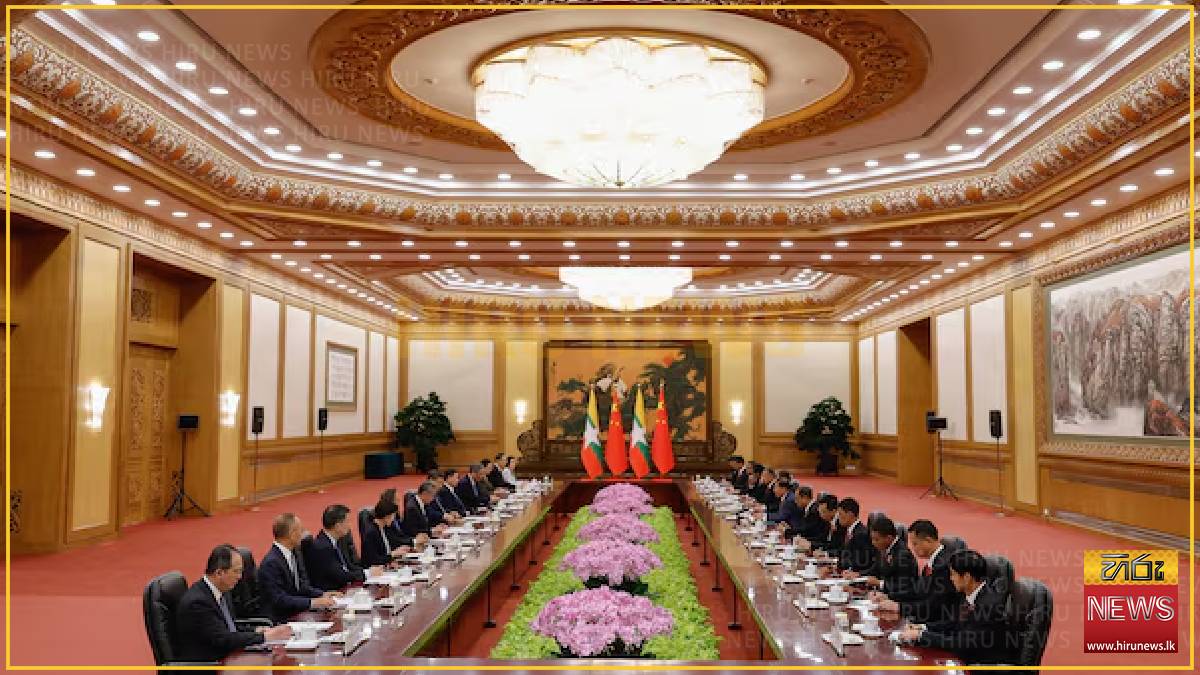
China, Myanmar pledge mutual support in joint statement
Trump says negotiations with Anthropic are 'going fine'

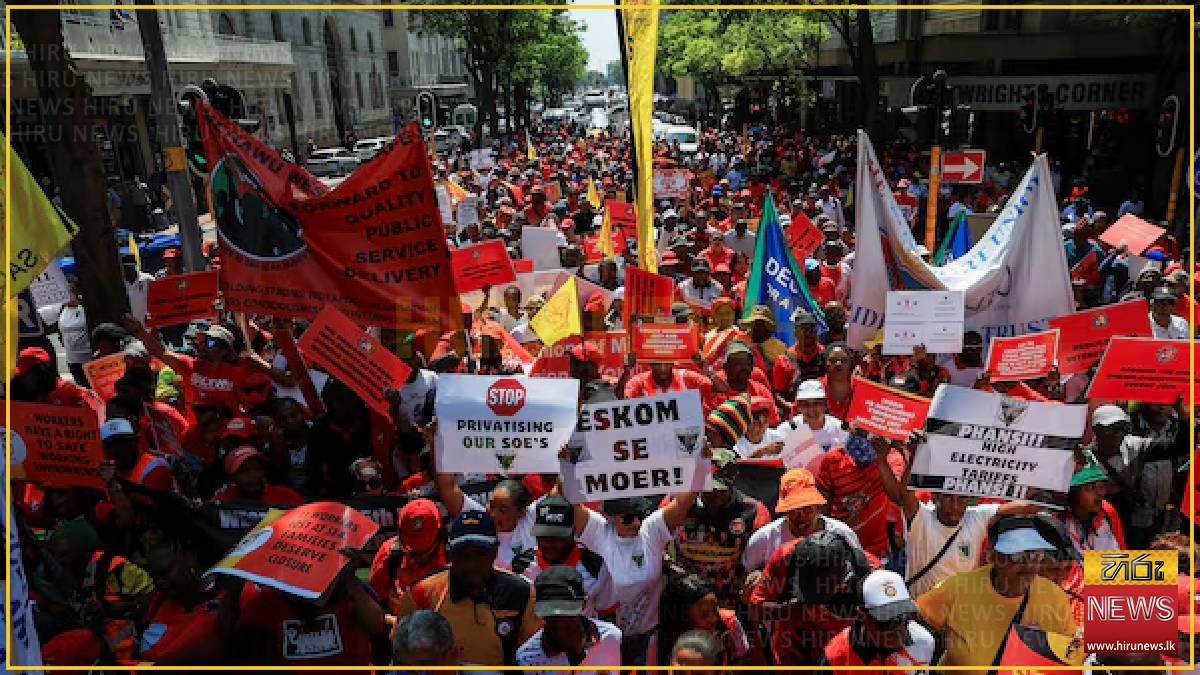
South African labour unions urge workers to shun anti-migrant protests
Man drowns and disappears in reservoir

Trump says he had good talks with Putin and Zelenskiy