


Sri Lanka's population reached 21.78 million, signaling a transition toward an aging society.
The Department of Census and Statistics reports that citizens aged 60 and over now comprise 18% of the total population, with the median age rising to 35 years.
Fertility rates declined to 1.3%, a figure below the necessary replacement level for population stability.
While language literacy hit a record 97.4% and digital literacy reached 67.6%, health challenges persist, as nearly 20% of the population manages chronic non-communicable diseases like high blood pressure and diabetes.
Migration data indicates over 670,000 citizens reside abroad, primarily for Middle Eastern employment.
Labour force participation remains low, with less than half of the working-age population active in the economy; domestic duties often prevent women from entering formal roles despite outnumbering men.
Marriage trends show delays, with the average marriage age at 29.2 for males and 25.6 for females, while 41.8% of the population remains unmarried.
On a positive note, 98% of occupied housing units currently connect to the national power grid.
Latest News
Patali accuses government of misleading public over fuel prices
Sajith Silva sppointed CEO of Sarva Colombo
Kuwait emerges as leading source of foreign remittances to Sri Lanka

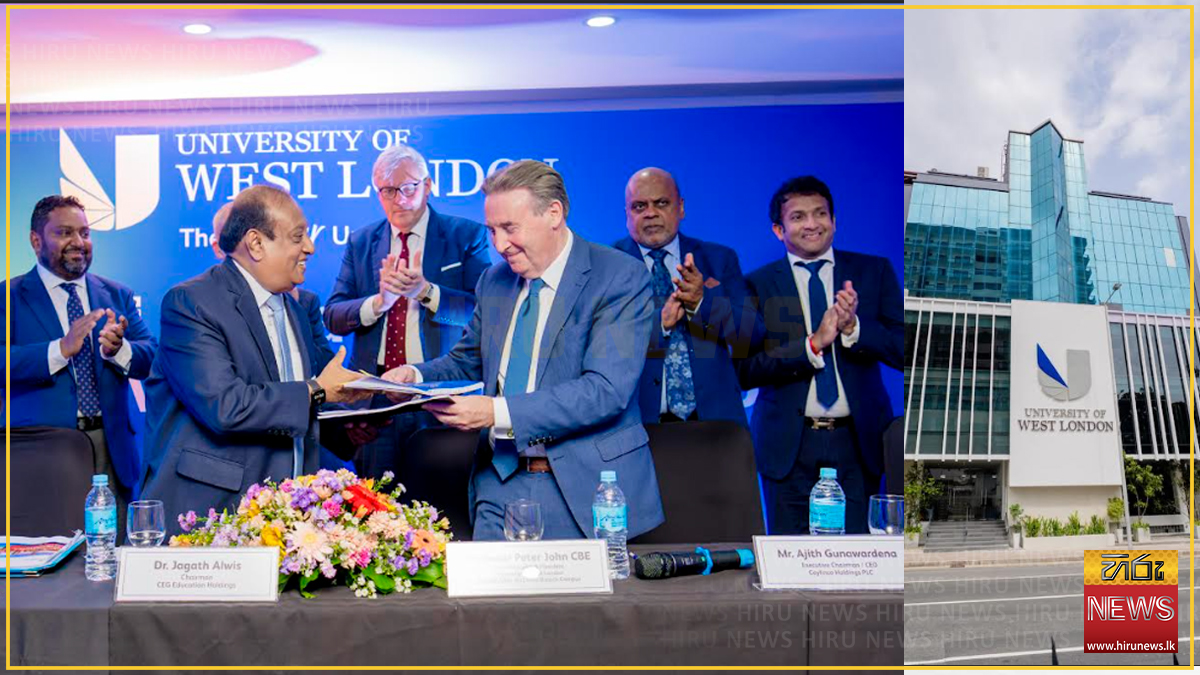
University of West London opens Lanka's first Full UK University branch campus
Messi's father dealing with 'health-related situation

Delhi High Court upholds unprecedented Telegram ban in India

Singer and musician Susitha Manoj launches new collection of songs

Court issues notice to Colombo Chief JMO, Government Analyst over Kapila Chandrasena death inquiry

Germany reviews oil reserve policy as markets stabilise

Prime Residencies unveils MON VIE with roof top Floating Restaurant in Colombo 5