Share Post


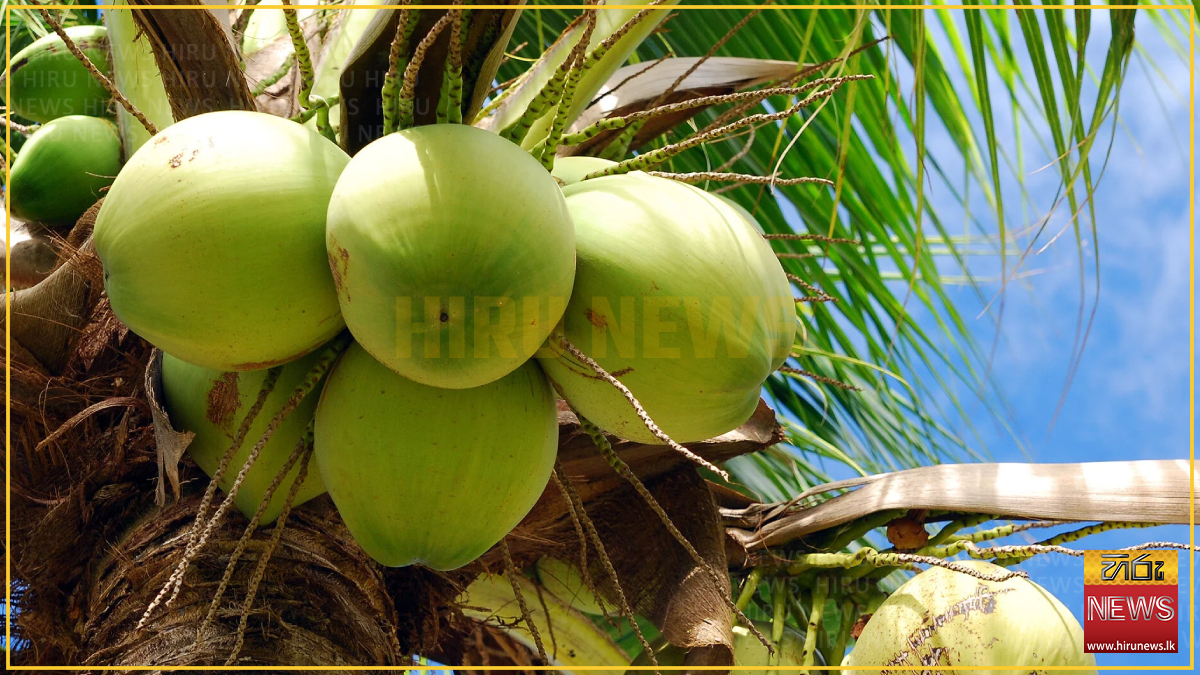
Direct impacts on Sri Lankan coconut exports remain limited despite regional instability, though shipping delays and rising freight costs present operational difficulties. Coconut Development Authority (CDA) Chairman Shantha Ranathunga noted that only a small fraction of the sector's output goes to Middle Eastern markets.
Approximately 8% of products, specifically king coconut, reach the Dubai market directly, bringing the total direct industry impact to an estimated 12–14%. However, the closure of specific shipping routes forced vessels to take longer paths to reach the UK and the US, causing freight charges to spike.
Exporters now face container costs that have increased by 1,500 to 4,000, creating significant financial pressure. Shipment delays occur as buyers slow orders due to these high costs or as goods await collection. While the future remains uncertain, officials expect the situation to stabilise in the coming weeks as certain exports continue regardless of the disruption.
Imports for value addition currently see no major impact, as the country primarily avoids importing products for this purpose, except for coconut oil. Specialised items like coconut sugar and concentrated coconut water enter through the Temporary Import for Export Processing (TIEP) scheme only when local manufacturing is impossible. These imported goods undergo processing locally before being re-exported to international markets.
Approximately 8% of products, specifically king coconut, reach the Dubai market directly, bringing the total direct industry impact to an estimated 12–14%. However, the closure of specific shipping routes forced vessels to take longer paths to reach the UK and the US, causing freight charges to spike.
Exporters now face container costs that have increased by 1,500 to 4,000, creating significant financial pressure. Shipment delays occur as buyers slow orders due to these high costs or as goods await collection. While the future remains uncertain, officials expect the situation to stabilise in the coming weeks as certain exports continue regardless of the disruption.
Imports for value addition currently see no major impact, as the country primarily avoids importing products for this purpose, except for coconut oil. Specialised items like coconut sugar and concentrated coconut water enter through the Temporary Import for Export Processing (TIEP) scheme only when local manufacturing is impossible. These imported goods undergo processing locally before being re-exported to international markets.
Latest News
Food delivery rider wins China's top literary prize
Local
20 July 2026

China suspends aviation firm linked to Beijing light aircraft crash
Local
20 July 2026

Canadian dollar pulls back from one-month high as inflation cools
Local
20 July 2026

Oil transfer activity in Gulf of Oman slows following ship attacks, data shows
Local
20 July 2026

Iranian interior minister arrives in Pakistan
Local
20 July 2026

Rare identical quadruplets born in Australia
Local
20 July 2026

Mali insurgents ambush army convoy
Local
20 July 2026

Air France halts Riyadh and Dubai flights amid Mideast security concerns
Local
20 July 2026

Tehran and Washington point to collapse of MOU
Local
20 July 2026

Four Indians killed in attack on ship leaving Ukraine's Odesa
Local
20 July 2026