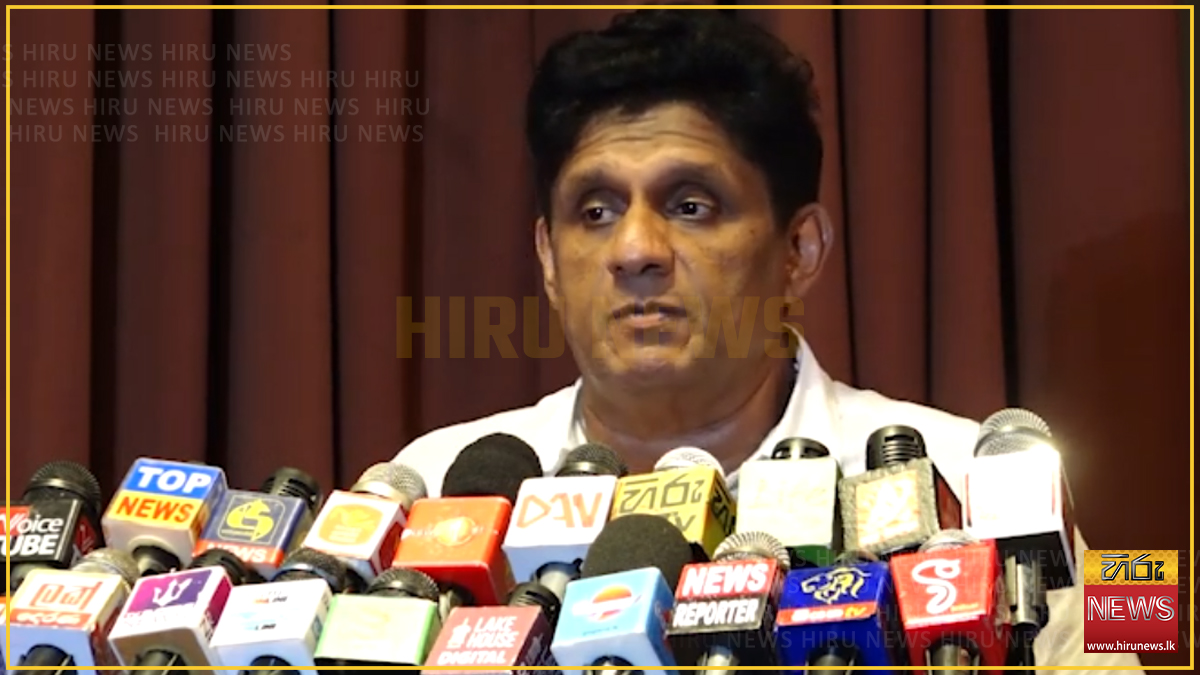


Opposition Leader Sajith Premadasa says that although gas and other fuel resources exist in Sri Lanka, various external influences have created a situation where they cannot be properly accessed.
He made these remarks yesterday (01) while attending the launch of a book written by Dr. Chandima Wijegunawardana at the Mahaweli Centre.
The Opposition Leader stated that, as a country, Sri Lanka has faced five major crises over the past seven years.
From the Easter attacks to conflicts in the Middle East, these crises have placed the country under significant challenges and serious risks.
He added that the country is currently facing extremely dangerous conditions.
He further pointed out that food security, economic, social, and political stability, as well as the overall livelihoods and development patterns of the people, are all under serious threat.
Premadasa also emphasised that Sri Lanka must not remain confined to outdated theories, ideas, and ideologies, but instead seek new solutions to overcome these challenges and risks. He noted that the country is now experiencing food insecurity rather than food security, and stressed the importance of utilising local agricultural products such as vegetables, fruits, and crops to meet national needs.
He also mentioned that certain groups promote extreme right-wing neoliberal ideologies, sidelining local resources while encouraging imperialistic concepts. According to him, such groups deliberately attempt to undermine national identity, culture, and civilisation by introducing unsuitable concepts into the country. He warned that people should not fall victim to such influences or become subservient.
At this time, he said, the country must prioritise the needs of its people and work towards self-sufficiency by utilising domestic resources. He highlighted the gas reserves and fuel resources available within Sri Lanka’s maritime boundaries.
He further explained that during a recent meeting of the Samagi Jana Balawegaya’s energy policy committee, experts had indicated that various pressures are preventing the extraction of these resources, and that certain parties are acting against energy security.
He added that by using these resources sustainably, Sri Lanka can reduce dependence on foreign countries and move towards self-sufficiency. He also reiterated that similar challenges exist in relation to food security.
Finally, he noted that the book offers many lessons for Sri Lanka, particularly highlighting the importance of local identity, culture, and self-reliance. He stated that the book provides solutions even to issues such as food security, emphasising what can be achieved using the country’s own resources.
Latest News
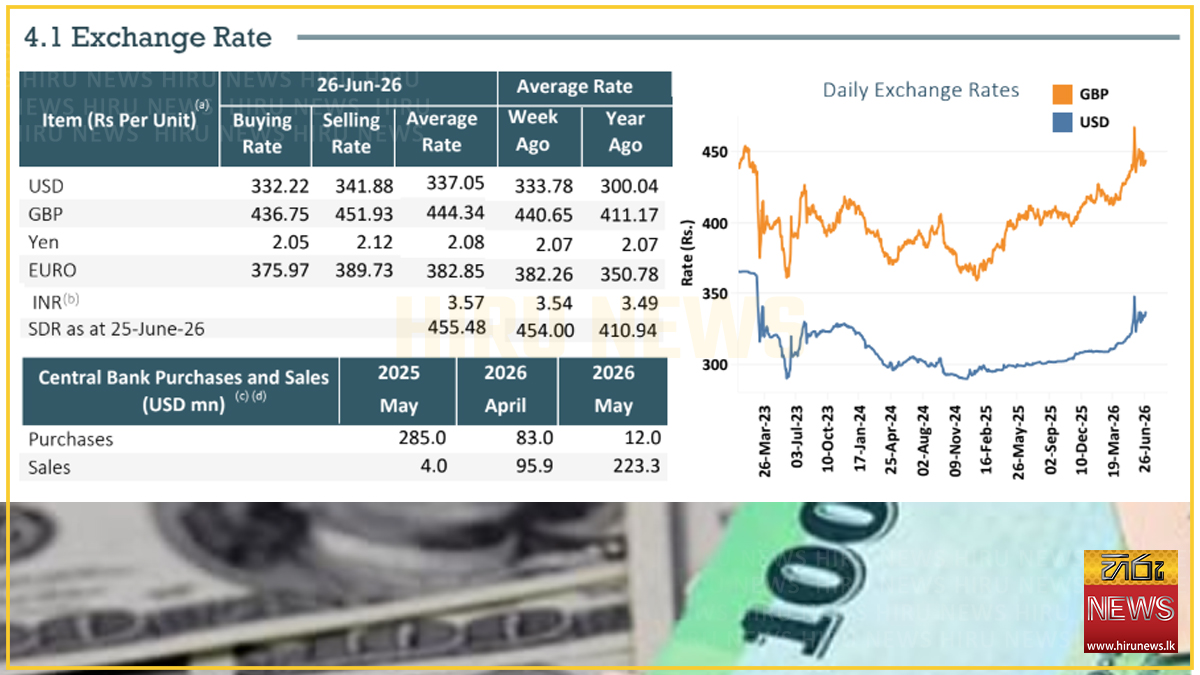
Rupee records 8% year to date depreciation against US dollar
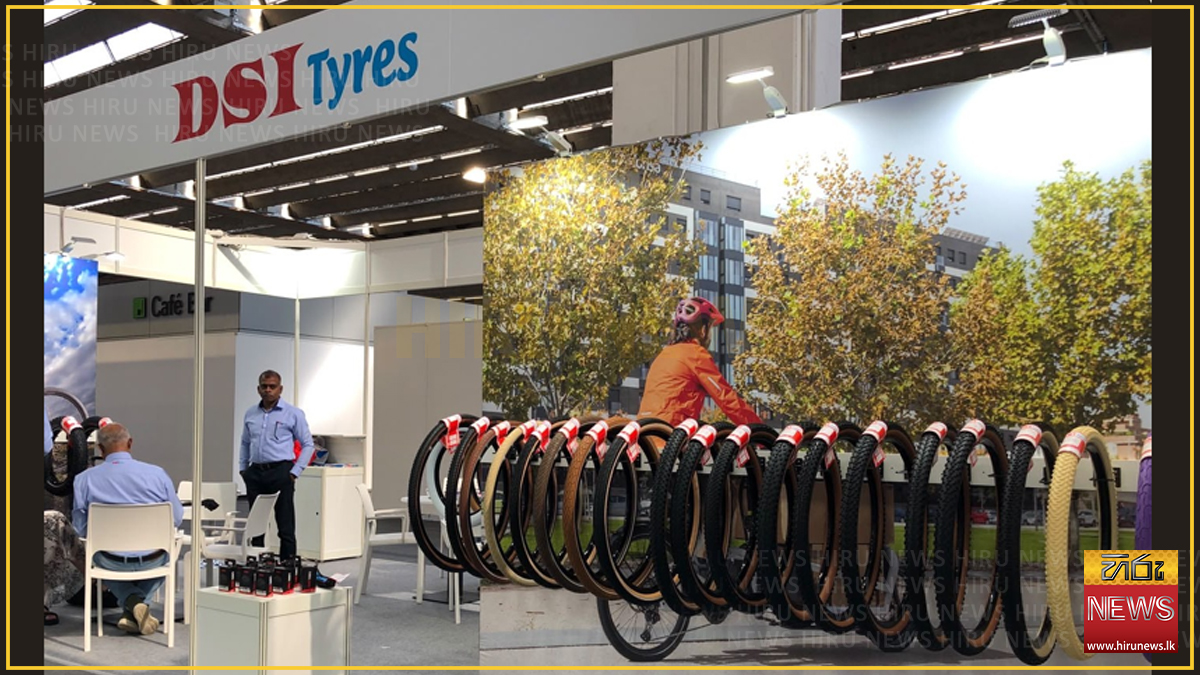
Asiabika Industrial and Samson Rubber showcase at EUROBIKE Frankfurt 2026
‘Backrooms’ extended version coming to theaters

Dow Jones adds Alphabet in major tech shift

Marians' sing along on July 3 to raise funds for D. S. Senanayake College development

‘Supergirl’ braces for $100 million loss

Comcast spinoff sparks latest US media shakeup

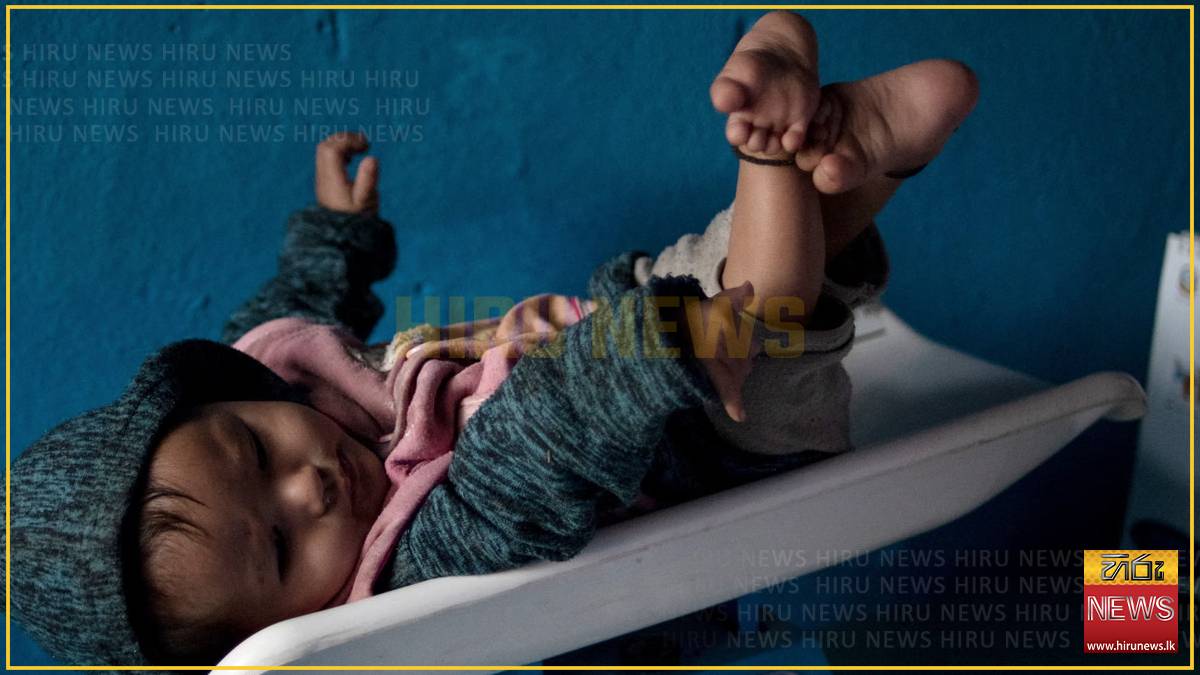
Child malnutrition in Nepal has reached ‘alarming’ levels since aid cuts
Three Irish nationals killed in Spain crash
British American Tobacco to cut 9,000 jobs