



Share Post


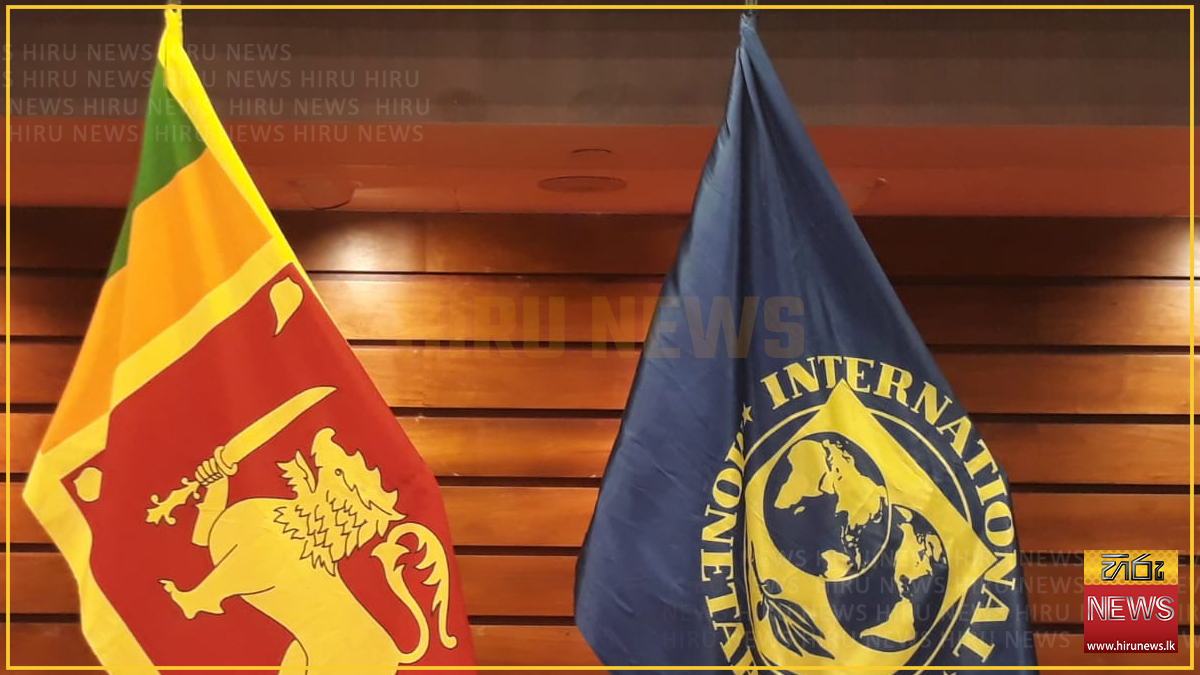
The Executive Board of the International Monetary Fund (IMF) has approved the 5th and 6th reviews of Sri Lanka’s Extended Fund Facility programme.
Accordingly, Sri Lanka is set to receive around US$695 million. The total disbursement under the programme so far amounts to US$2.4 billion.
However, the IMF has noted that certain programme conditions have not been fully met.
It pointed out that Sri Lanka has failed to meet continuous performance criteria related to external payment arrears and the tightening or avoidance of new import restrictions.
As prior actions, the IMF required the issuance of Cabinet decisions on budgetary measures related to fuel, electricity, fertiliser subsidies, and the Aswesuma welfare programme in response to Middle East conflicts, with a total ceiling of Rs. 100 billion. It also stated that these measures should be discontinued by the end of September.
In addition, the IMF noted that fuel retail prices had not been adjusted to cost-recovery levels, and monthly formula-based price adjustments were not being carried out.
It said this condition was not met in April, was violated in December 2025, but was complied with in January.
Meanwhile, IMF Deputy Managing Director Kenji Okamura stated that several key targets under the programme have deviated, and economic growth in 2026 is expected to slow to 3%.
He also stressed the need for continued efforts in public finance and investment management reforms, as well as electricity sector reforms.
Warning of a high risk of debt distress, he emphasized that price stability must be prioritised through monetary policy.
Meanwhile, President Anura Kumara Dissanayake and Central Bank Governor Nandalal Weerasinghe have jointly sent a letter to the IMF.
The letter states that in response to the Middle East conflict, a targeted and temporary package of measures has been introduced to reduce economic impact and protect vulnerable groups while continuing energy price adjustments.
The support package includes fuel and electricity subsidies, fertiliser subsidies for small farmers, support for fishermen, and additional allocations to the Aswesuma cash transfer programme.
It also notes that the recent incident involving Rs. 2.5 billion from the Treasury falling into the hands of a third party led to the failure of the external arrears criterion.
Furthermore, IMF Mission Chief for Sri Lanka Evan Papageorgiou said during an online media briefing that growth is projected to slow to 3% this year.
He said Sri Lanka should avoid imposing import restrictions and raising taxes, particularly on vehicle imports.
He also noted that increasing taxes on imports such as vehicles is not a sustainable long-term strategy, while acknowledging that vehicle imports had helped boost government revenue in 2025.
He added that Sri Lanka’s reform programme remains on track and commended the government’s efforts to continue implementation.
Despite challenges, he said strong implementation under the IMF programme has helped build economic resilience, including enabling responses to the 'Ditwah' cyclone and Middle East conflict.
However, he warned that the ongoing Middle East tensions have significantly worsened Sri Lanka’s economic outlook, increasing downside risks.
He noted that rising oil prices could push inflation up and weaken the current account, while reduced tourism income could further worsen the situation. Inflation is expected to remain around 5% this year, he added.
Accordingly, Sri Lanka is set to receive around US$695 million. The total disbursement under the programme so far amounts to US$2.4 billion.
However, the IMF has noted that certain programme conditions have not been fully met.
It pointed out that Sri Lanka has failed to meet continuous performance criteria related to external payment arrears and the tightening or avoidance of new import restrictions.
As prior actions, the IMF required the issuance of Cabinet decisions on budgetary measures related to fuel, electricity, fertiliser subsidies, and the Aswesuma welfare programme in response to Middle East conflicts, with a total ceiling of Rs. 100 billion. It also stated that these measures should be discontinued by the end of September.
In addition, the IMF noted that fuel retail prices had not been adjusted to cost-recovery levels, and monthly formula-based price adjustments were not being carried out.
It said this condition was not met in April, was violated in December 2025, but was complied with in January.
Meanwhile, IMF Deputy Managing Director Kenji Okamura stated that several key targets under the programme have deviated, and economic growth in 2026 is expected to slow to 3%.
He also stressed the need for continued efforts in public finance and investment management reforms, as well as electricity sector reforms.
Warning of a high risk of debt distress, he emphasized that price stability must be prioritised through monetary policy.
Meanwhile, President Anura Kumara Dissanayake and Central Bank Governor Nandalal Weerasinghe have jointly sent a letter to the IMF.
The letter states that in response to the Middle East conflict, a targeted and temporary package of measures has been introduced to reduce economic impact and protect vulnerable groups while continuing energy price adjustments.
The support package includes fuel and electricity subsidies, fertiliser subsidies for small farmers, support for fishermen, and additional allocations to the Aswesuma cash transfer programme.
It also notes that the recent incident involving Rs. 2.5 billion from the Treasury falling into the hands of a third party led to the failure of the external arrears criterion.
Furthermore, IMF Mission Chief for Sri Lanka Evan Papageorgiou said during an online media briefing that growth is projected to slow to 3% this year.
He said Sri Lanka should avoid imposing import restrictions and raising taxes, particularly on vehicle imports.
He also noted that increasing taxes on imports such as vehicles is not a sustainable long-term strategy, while acknowledging that vehicle imports had helped boost government revenue in 2025.
He added that Sri Lanka’s reform programme remains on track and commended the government’s efforts to continue implementation.
Despite challenges, he said strong implementation under the IMF programme has helped build economic resilience, including enabling responses to the 'Ditwah' cyclone and Middle East conflict.
However, he warned that the ongoing Middle East tensions have significantly worsened Sri Lanka’s economic outlook, increasing downside risks.
He noted that rising oil prices could push inflation up and weaken the current account, while reduced tourism income could further worsen the situation. Inflation is expected to remain around 5% this year, he added.
Latest News
North Korean defence minister criticises joint military drills by US, Japan and South Korea
Local
07 September 2026

US imports more Congo copper as consumer acceptance grows
Local
07 September 2026

North Korea and Russia open their first road bridge, a symbol of expanding ties
Local
07 September 2026

ICE crackdown laid bare at Venice festival documentary
Local
07 September 2026

King Charles reconfirms Harry and Meghan remain non-working royals
Local
07 September 2026

Special traffic plan in Colombo for visit of Indian Defence Minister Rajnath Singh
Local
07 September 2026

Moors Sports Club and SSC qualify for Major Clubs Limited Over Tournament final
Local
07 September 2026
Remanded MP Namal Rajapaksa granted permission to attend Parliament tomorrow
Local
07 September 2026
Details emerge regarding murder of 'Kos Malli''s brother-in-law
Local
07 September 2026

Special gazette issued to manage visitor access to Nildiya Pokuna in Ravana Ella Sanctuary
Local
07 September 2026