Share Post


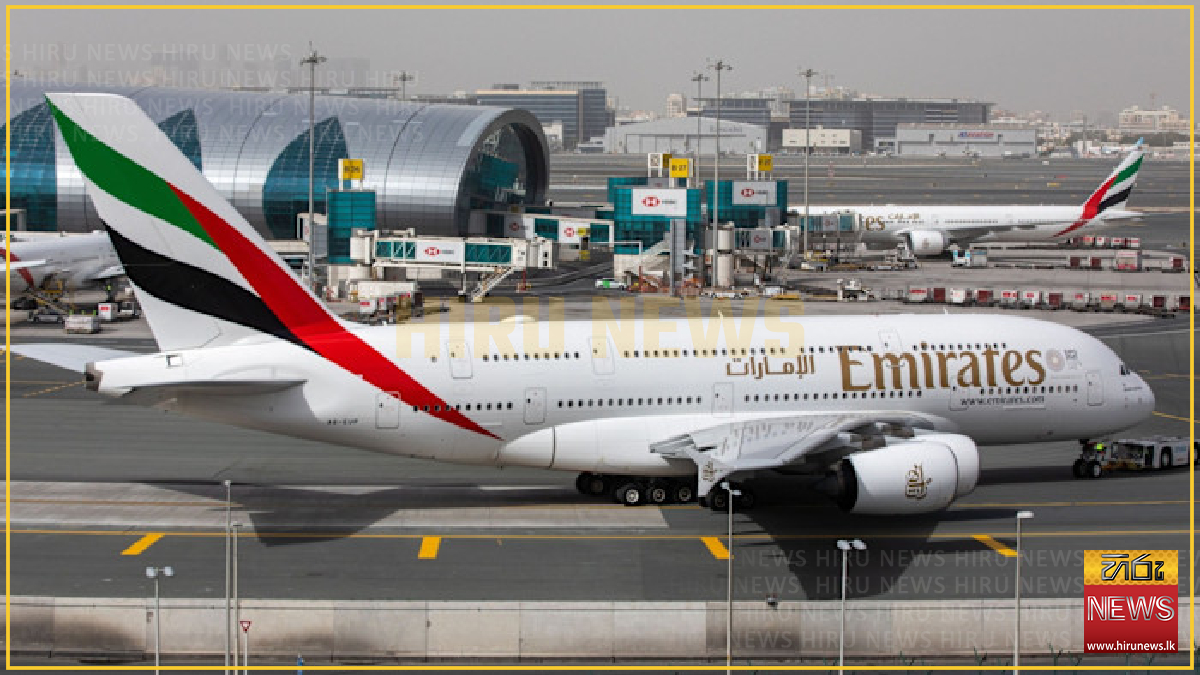
Emirates plans to offer insurance that guarantees passengers can return home, even on rival airlines if necessary, as it seeks to reassure travellers flying into or through Dubai despite ongoing conflict-related travel warnings.
The Dubai-based carrier is working with insurance companies to launch a "reasonably priced" travel protection product aimed at addressing concerns that passengers could become stranded overseas if the conflict escalates again, Financial Times quoted Emirates president Tim Clark as saying in an interview.
Clark said one of the biggest worries among travellers is the possibility of being unable to return home if flights are disrupted.
"I think one of the big concerns is that if they get caught overseas and they can't get back," he said.
Under the proposed insurance plan, Emirates would guarantee that passengers are returned to their destination "irrespective [of whether it's] on Emirates or not", Clark said.
The initiative comes as several governments continue to advise against travel to the region more than three months after the conflict began. Those advisories have also made it difficult for travellers to obtain insurance for trips to or through the Gulf.
Despite the warnings, Dubai remains a major transit hub. Around 40,000 passengers a day are currently connecting through Dubai airport, compared with about 100,000 before the conflict started. Clark said passenger numbers are steadily recovering.
"I think people can see what we're doing, can see that it's OK to transit Dubai and go on to all the other places," he said.
Emirates has restored about 80 per cent of its pre-conflict operations and reported a small profit last week. Aircraft are operating at an average of 75 per cent occupancy, while some London services are running full.
The airline has also abandoned earlier earnings targets because of uncertainty caused by the conflict. Clark said Emirates would be satisfied with breaking even in the financial year ending March 31, provided it remains cash positive.
"The most important thing for the carrier is that it serves the needs of the emirate and two, that we can keep ourselves cash positive," he said.
Emirates reported a profit of $6.3 billion in the 12 months to the end of March. Clark said the figure would have been $7 billion without the flight groundings that occurred during March.
According to Clark, demand has returned faster than expected. Last week's profit "wasn't in the plan at all", he said, adding that the airline was "well ahead of our dreadful loss forecast" for the first quarter ending in June.
The carrier also remains committed to its Airbus A380 fleet despite higher fuel prices resulting from the conflict. Clark described the aircraft as "an enormous cash generator and profit generator".
He also said the sharp increase in jet fuel prices could lead to a "complete rethink" of the global oil distribution market.
Clark was in London when the conflict began and made the decision to suspend flights while aboard an aircraft at Heathrow. During the early days of the crisis, Emirates helped return around 3,000 people a day to the UK.
The airline resumed operations four days after the conflict started and quickly restored about 40 per cent of its capacity. Clark said Dubai intercepted "about 98 per cent" of the "nearly 3,000 drones, missiles and cruise missiles coming at us".
"It was clear that they had a handle on this . . . so we were able to operate the flights," he said.
In the early stages of the conflict, some flights carried additional fuel in case diversions became necessary. Others returned to their departure airports, diverted to alternative destinations or spent hours in holding patterns over Oman. One strike also temporarily disrupted operations at Dubai airport.
Clark said safety remained the airline's top priority.
"At no point would I have allowed, nor would any of those guys, compromise our safety of operation," he said.
He added that Dubai had gained valuable experience from previous conflicts and security threats.
"I'm not saying we're battle-hardened, but we're very capable of making the call whether it's safe to operate in an aeroplane or not," Clark said.
-The Economics Times
The Dubai-based carrier is working with insurance companies to launch a "reasonably priced" travel protection product aimed at addressing concerns that passengers could become stranded overseas if the conflict escalates again, Financial Times quoted Emirates president Tim Clark as saying in an interview.
Clark said one of the biggest worries among travellers is the possibility of being unable to return home if flights are disrupted.
"I think one of the big concerns is that if they get caught overseas and they can't get back," he said.
Under the proposed insurance plan, Emirates would guarantee that passengers are returned to their destination "irrespective [of whether it's] on Emirates or not", Clark said.
The initiative comes as several governments continue to advise against travel to the region more than three months after the conflict began. Those advisories have also made it difficult for travellers to obtain insurance for trips to or through the Gulf.
Despite the warnings, Dubai remains a major transit hub. Around 40,000 passengers a day are currently connecting through Dubai airport, compared with about 100,000 before the conflict started. Clark said passenger numbers are steadily recovering.
"I think people can see what we're doing, can see that it's OK to transit Dubai and go on to all the other places," he said.
Emirates has restored about 80 per cent of its pre-conflict operations and reported a small profit last week. Aircraft are operating at an average of 75 per cent occupancy, while some London services are running full.
The airline has also abandoned earlier earnings targets because of uncertainty caused by the conflict. Clark said Emirates would be satisfied with breaking even in the financial year ending March 31, provided it remains cash positive.
"The most important thing for the carrier is that it serves the needs of the emirate and two, that we can keep ourselves cash positive," he said.
Emirates reported a profit of $6.3 billion in the 12 months to the end of March. Clark said the figure would have been $7 billion without the flight groundings that occurred during March.
According to Clark, demand has returned faster than expected. Last week's profit "wasn't in the plan at all", he said, adding that the airline was "well ahead of our dreadful loss forecast" for the first quarter ending in June.
The carrier also remains committed to its Airbus A380 fleet despite higher fuel prices resulting from the conflict. Clark described the aircraft as "an enormous cash generator and profit generator".
He also said the sharp increase in jet fuel prices could lead to a "complete rethink" of the global oil distribution market.
Clark was in London when the conflict began and made the decision to suspend flights while aboard an aircraft at Heathrow. During the early days of the crisis, Emirates helped return around 3,000 people a day to the UK.
The airline resumed operations four days after the conflict started and quickly restored about 40 per cent of its capacity. Clark said Dubai intercepted "about 98 per cent" of the "nearly 3,000 drones, missiles and cruise missiles coming at us".
"It was clear that they had a handle on this . . . so we were able to operate the flights," he said.
In the early stages of the conflict, some flights carried additional fuel in case diversions became necessary. Others returned to their departure airports, diverted to alternative destinations or spent hours in holding patterns over Oman. One strike also temporarily disrupted operations at Dubai airport.
Clark said safety remained the airline's top priority.
"At no point would I have allowed, nor would any of those guys, compromise our safety of operation," he said.
He added that Dubai had gained valuable experience from previous conflicts and security threats.
"I'm not saying we're battle-hardened, but we're very capable of making the call whether it's safe to operate in an aeroplane or not," Clark said.
-The Economics Times
Latest News
Men's ODI World Cup 2027 set to run from October 4 to November 21
Local
11 June 2026

Emirates plans insurance to ensure passenger return amid conflict risks
Local
11 June 2026
Katy Perry calls Justin Trudeau the 'love of my life' as they make red carpet debut
Local
11 June 2026

US diplomat found dead in Myanmar, Thai woman in custody
Local
11 June 2026

Pope Leo says history will condemn leaders who ignore migrant deaths
Local
11 June 2026
National dengue campaign covered 97,871 locations
Local
11 June 2026
'Hold night class if you want to teach,' says NPP MP Nipun Arachchi tells Opposition
Local
11 June 2026

India demands end to US attacks on ships after three sailors killed
Local
11 June 2026
UK defence minister Healey quits
Local
11 June 2026

MP Chanaka raises concern on alleged foreign remittance scam
Local
11 June 2026