



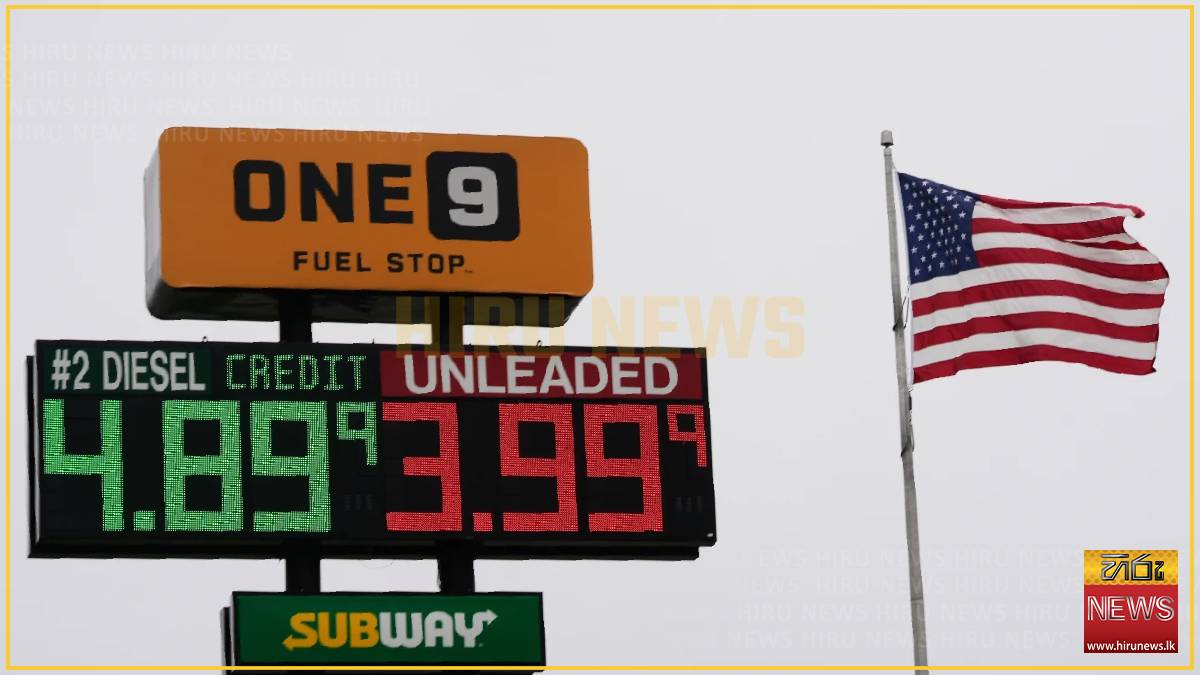


High oil and gasoline prices and energy supply problems won’t be solved overnight, despite an agreement to end the Iran war and open the Strait of Hormuz announced Sunday.
It will likely take months before energy companies can resume operations to the point of meeting the world’s demand, according to energy experts. The slow pace of the process of shipping and refining crude oil, and doubts about the security of traveling through the strait mean the effect won’t be seen immediately, they said.
Ships loaded with crude oil have been stranded in the Persian Gulf for more than three months, unable to safely travel through the waterway, through which about a fifth of the world’s oil and gasoline supplies typically travelled before the war began.
“It’s going to take time for people to feel comfortable and for insurance to be in place, particularly to get people on the ground to restart some of these assets,” said Daniel Evans, global head of fuels and refining research at S&P Global Energy.
Still, oil prices slipped early Monday after the deal was announced.
Brent crude, the international standard, was down $3.45 at $83.89 per barrel. U.S. benchmark crude oil lost $4.03 to $80.85 per barrel.
Those prices are still well above the roughly $70 per barrel where oil was trading before the war started.
As the higher prices unwind, ships that have been stranded will have to exit the strait, and then new tankers will have to come in to be loaded, Evans said.
-AP
Latest News
ASPI falls 191 points amid weak investor sentiment

Finance companies face bigger hit as gold-loan capital rules tighten - Fitch

India, Sri Lanka urged to boost rupee trade to cut costs, currency risks

Anthropic and US officials to meet to resolve dispute

Indian government to sell up to 5% GIC stake

US President Trump has landed in Evian for G7 summit

Microsoft sued by shareholders over expenses, cloud business, AI

Advantage Energy CEO Michael Belenkie steps down
Libya recovers 15 bodies of migrants east of capital Tripoli

IMF warns of high risks despite no global slowdown