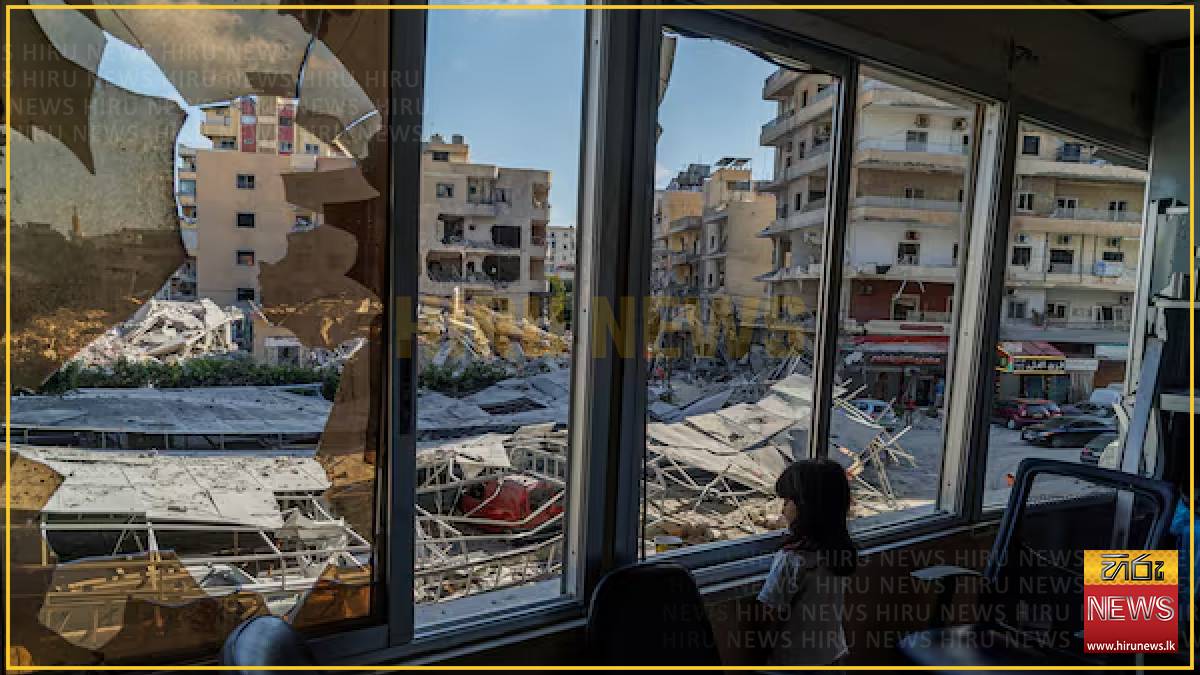


In the dimly lit hospital room where he has lived for months, Youssef Fares broke down in tears as he spoke of his home in the historic southern Lebanese city of Tyre - now a pile of rubble and rebar after Israeli strikes during a three-month war.
An interim agreement between Iran and the United States has brought relative calm to Lebanon - but it has also revealed the full scale of destruction wreaked by Israel's air campaign, which it said was aimed at armed group Hezbollah.
Fighting erupted on March 2, when Hezbollah fired at Israel in support of Iran, drawing Lebanon into the regional war.
Israel responded with air strikes and a ground invasion occupied parts of south Lebanon.
Fares fled to the Jabal Amel University Hospital in Tyre after his home was destroyed by Israeli strikes.
When he returned to see the remains after the latest ceasefire agreement, the sight overwhelmed him.
"You couldn't even look at a single room. It was dark from the soot," he said. "It was a beautiful house. Honestly, the most beautiful house was my house in Tyre."
The war has displaced 1.2 million people across Lebanon and many - including Fares - are unable to return home, either because their villages lie in ruins or remain under Israeli control.
Fares is among at least 350 people still living at the Jabal Amel University Hospital, alongside staff members and their families, according to its director Dr. Wael Mroueh.
Other healthcare facilities have suffered repeated damage. The nearby Hiram Hospital has been hit at least five times since March 2, according to a United Nations report.
More broadly, the World Health Organisation has recorded 203 attacks on healthcare sites across Lebanon, killing more than 130 healthcare workers on duty and forcing the closure of 44 primary healthcare facilities and three hospitals.
-Reuters
Latest News
ABC accuses FCC of ‘unconstitutional retaliation’ in station license fight

Northern Lebanon airport revival brings economic hope for the region

Portugal to offer fast-track areas for wind, solar projects

EU countries scale back plan to fund power grids

Norsk Hydro to shut two US plants, cutting 350 jobs

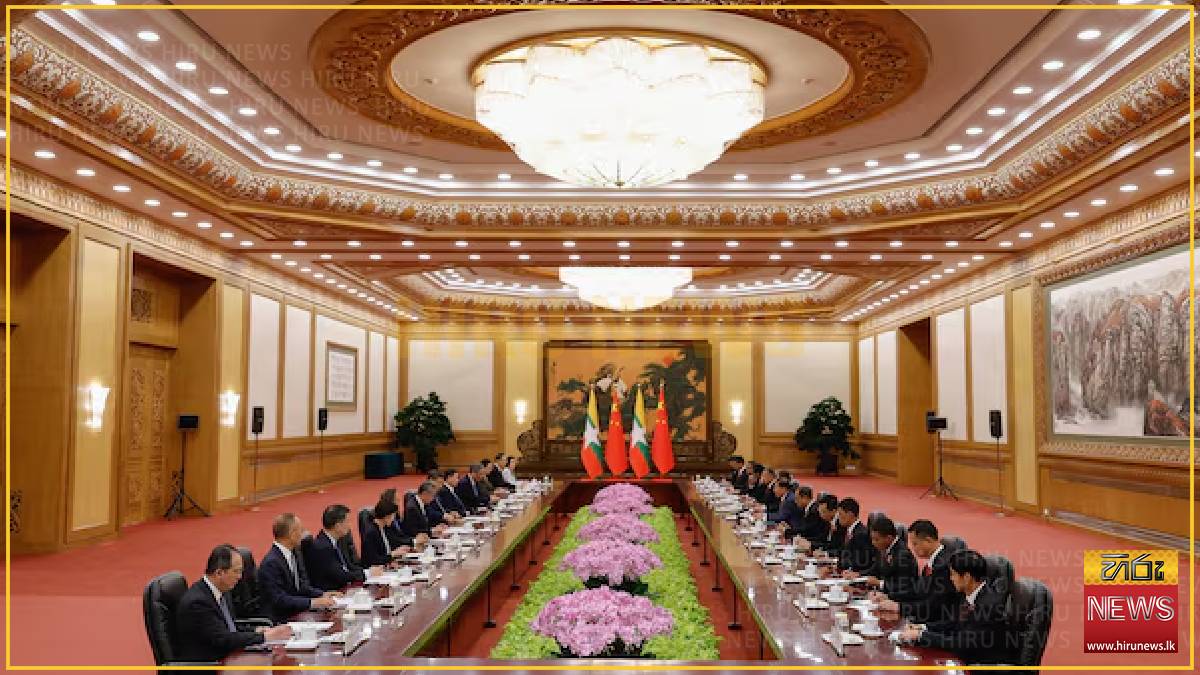
China, Myanmar pledge mutual support in joint statement
Trump says negotiations with Anthropic are 'going fine'

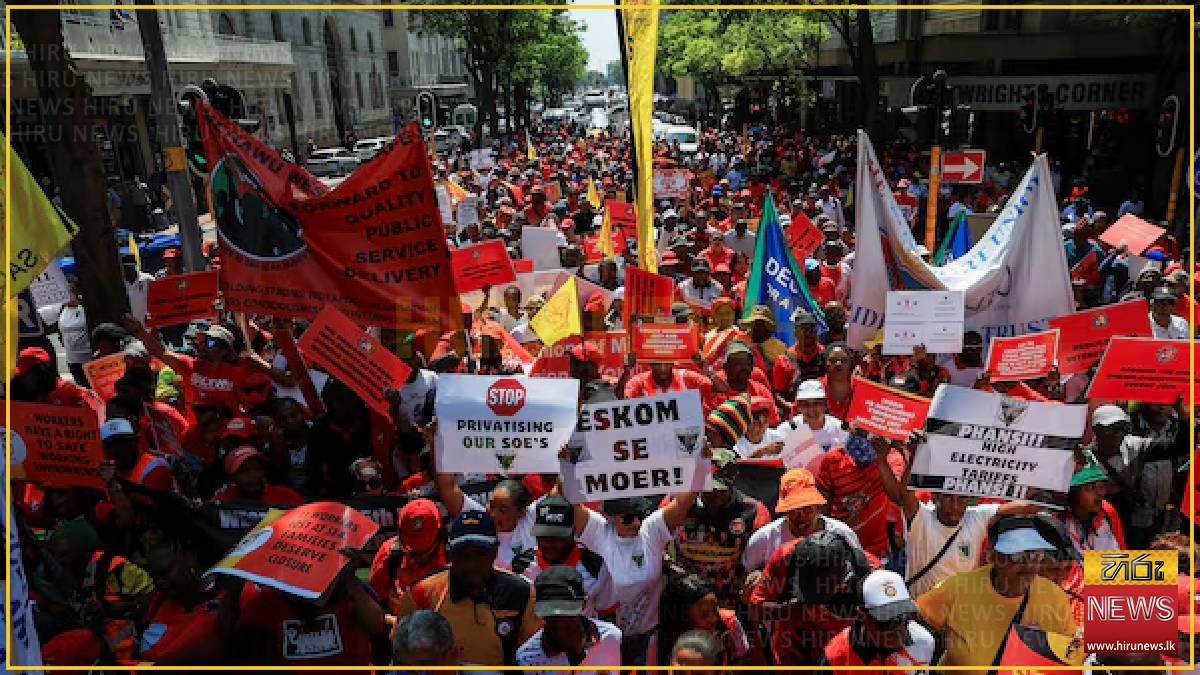
South African labour unions urge workers to shun anti-migrant protests
Man drowns and disappears in reservoir

Trump says he had good talks with Putin and Zelenskiy