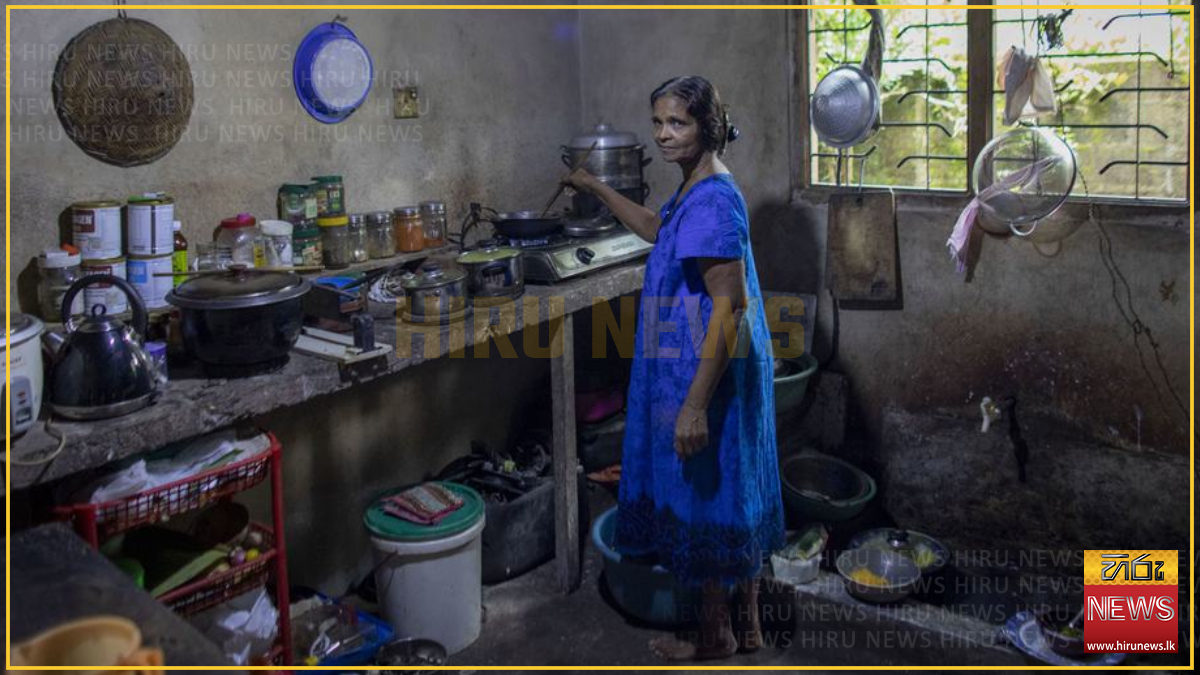


Up to 1.3 million additional people in Sri Lanka risk losing the ability to meet their basic food requirements as geopolitical tensions in the Middle East jeopardise global supply chains. The World Food Programme revealed this alarming projection in its latest report, noting that the new wave of vulnerability builds upon an existing baseline of 4.7 million individuals already struggling in 2026.
The island nation, which possesses a gross domestic product per capita of 4,515.6 US dollars, currently sees 2.9 million people, amounting to 13% of the assessed population, facing food insecurity. A deeper dive into the numbers shows that forty-five thousand residents endure severe food insecurity, while 2.9 million experience moderate levels of hunger. This precarious stability faces imminent disruption due to the country's profound reliance on external trade corridors and energy markets.
Sri Lanka remains highly exposed to global shocks, importing 63 per cent of its energy requirements and a staggering 90 to 100% of its agricultural fertiliser. The country also spends 2.5 billion dollars annually on food imports. To make matters more fragile, the domestic economy ties itself closely to the unstable Middle Eastern region, counting on the Gulf for 44% of its vital worker remittances and 45% of its tea export market.
The geopolitical escalation that flared up on 28 February 2026 triggered massive spillovers via fuel price hikes and trade bottlenecks. West Texas Intermediate crude oil prices averaged above 100 dollars per barrel since 6 March, fulfilling the grim scenarios mapped out by international analysts. While global food indices show only marginal upticks, fragile economies bear the brunt of immediate domestic price spikes.
Even though the funding gap for World Food Programme operations in Sri Lanka shrank to a minor 4.5% in 2026 compared to the massive 75% deficit seen in 2024, the broader humanitarian system faces a global squeeze. Rising operational and transport costs mean assistance covers fewer people just as demand escalates. The report concludes that these economic shocks create popular discontent, warning that failing to safeguard supply chains and scale up social safety nets could compromise political stability across vulnerable nations.
Read the full report here
Latest News
Knockout hopes alive, Bosnia downs Qatar

Switzerland defeats Canada, secures top spot in Group B

Epstein associate Ghislaine Maxwell says new evidence undermines conviction

Middle East crisis to push over a million more Sri Lankans into hunger
FIFA bans All Nepal Football Association

Dengue epidemic growing unexpectedly
Rainy conditions to intensify

Back-to-back quakes in Venezuela

Sri Lankan pepper commands higher global demand than competitors

Rice millers waiting to raise rice prices