



Share Post


Singapore and Indonesia have pledged to keep the Strait of Malacca open, safe and accessible to all, elevating maritime security to the forefront of a bilateral relationship that both countries increasingly see as critical to regional stability and economic growth.
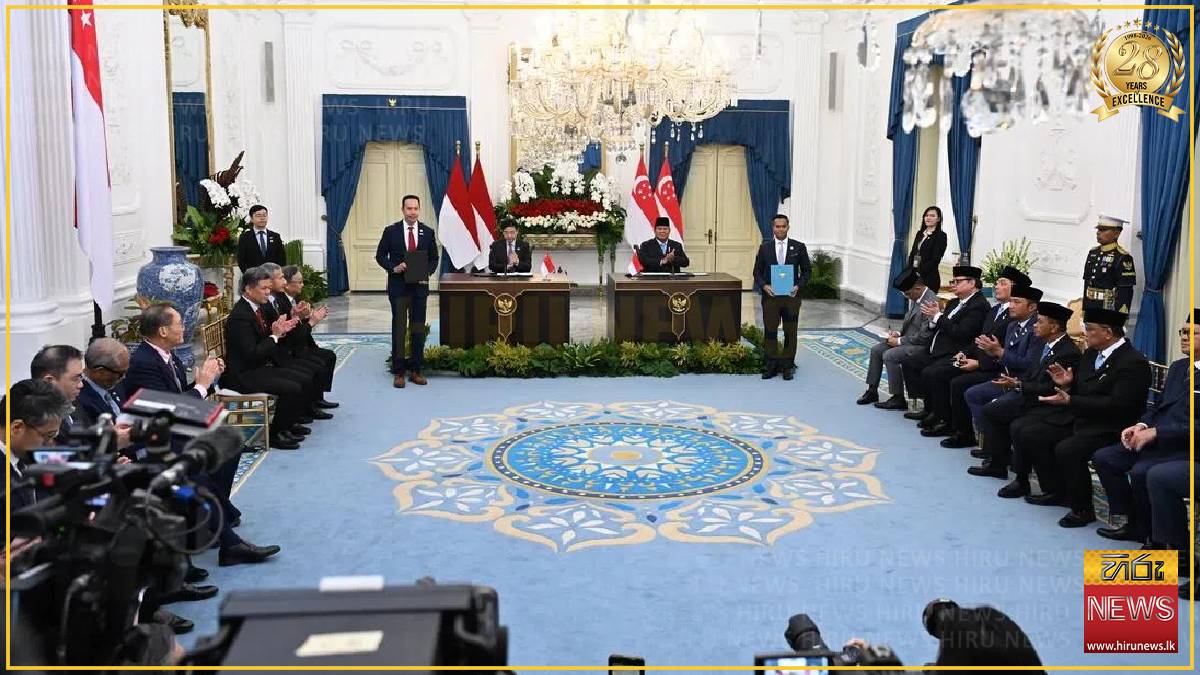
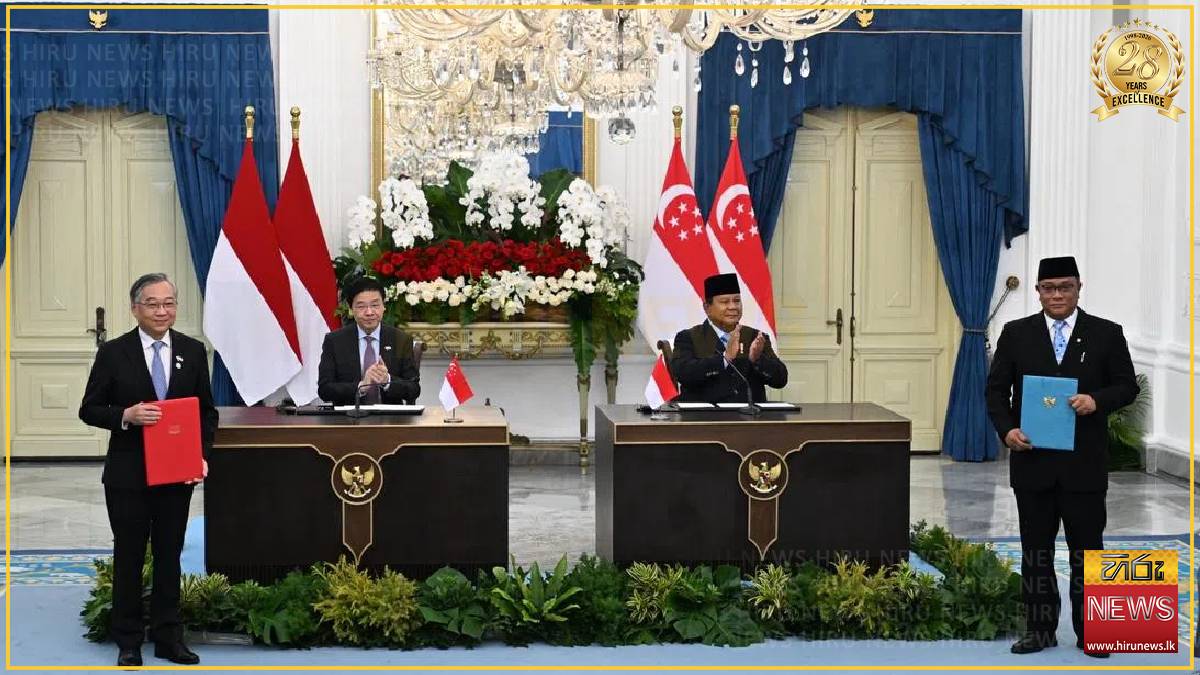
The commitment emerged after talks on July 6 between President Prabowo Subianto and Prime Minister Lawrence Wong at the annual Leaders’ Retreat, where they stressed the importance of safeguarding one of the world’s busiest shipping routes amid growing geopolitical uncertainty.
The discussions also highlighted how the relationship is evolving beyond trade and investment into new areas such as renewable energy, cross-border electricity trade, digital infrastructure and supply chain resilience.
The talks reflected a broader effort by both countries to link their economic and strategic interests more closely as they prepare to mark 60 years of diplomatic relations in 2027.
The Strait of Malacca, which connects the Indian Ocean and the South China Sea, carries a significant share of global trade and energy shipments, making it one of the world’s most strategically important maritime corridors.
President Prabowo said Indonesia and Singapore had reaffirmed their shared position on the waterway.
“Indonesia and Singapore are countries that directly border one another in the Strait of Malacca. We have a shared interest in maintaining the Strait of Malacca as a passage that is free for all parties,” he said at a joint press conference with PM Wong.
“We must preserve security and peace in the strait, and also, of course, protect it from pollution, accidents, and from robbery or piracy.”
He added that Indonesia would continue coordinating with Malaysia and Thailand to ensure that, in accordance with the United Nations Convention on the Law of the Sea, the strait would “always remain open to all, safe and accessible to anyone who requires access”.
PM Wong struck a similar note, linking maritime security to wider global developments.
He said recent events in the Middle East had underscored the importance of keeping major trade routes functioning and secure. The Iran war had choked off traffic in the Strait of Hormuz, leading to disruptions in global trade and the supply of oil.
“As littoral states bordering the Straits of Malacca, Singapore and Indonesia are strategically aligned,” he said.
“We share an interest in upholding navigational rights and freedoms and keeping sea lines of communication open to all.”
The two leaders agreed to work with other littoral states to ensure that the Straits of Malacca and Singapore remain safe, open and accessible.
New growth areas
While maritime security featured prominently at the retreat, much of it also focused on expanding cooperation into new sectors expected to shape both economies in the years ahead.
Among the most significant developments was progress on cross-border electricity trade, which both countries see as a cornerstone of future energy cooperation.
Indonesia announced that sovereign investment fund Danantara would take the lead in implementing cooperation on cross-border electricity trade, as well as future collaboration in trade, energy and the digital economy.
Singapore and Indonesia also signed new agreements involving Danantara and Singapore firms Keppel Electric, Sembcorp Industries and Singapore Energy Interconnections, which are aimed at advancing discussions on future electricity exports.
PM Wong said the arrangements would provide a roadmap for negotiations and pave the way for a cross-border electricity project between the two countries.
He described the initiative as a “win-win” project and an important building block for a wider ASEAN Power Grid that could strengthen regional energy security.
The two sides also highlighted cooperation in supply chains, cybersecurity and digital infrastructure.
President Prabowo said discussions on the digital ecosystem and cybersecurity had produced “fairly concrete outcomes”, while both leaders agreed to continue strengthening supply chain resilience and economic connectivity.
The emphasis on these sectors reflects a relationship that is increasingly looking beyond traditional manufacturing and investment ties towards emerging industries and strategic infrastructure.
The retreat also served as a strong endorsement of Indonesia’s economic prospects.
PM Wong repeatedly stressed Singapore’s confidence in Indonesia’s future and signalled that Singapore intends to remain a long-term partner in the country’s development.
“Singapore has every confidence in Indonesia’s future,” he said. “We want Indonesia to succeed because our futures are closely linked.”
He said Singapore’s investments in Indonesia went beyond capital flows and were helping to create businesses, downstream industries, digital infrastructure and jobs.
Singapore companies continue to see opportunities across Indonesia, he added, pointing to developments in the Batam, Bintan and Karimun region as well as the Kendal Industrial Park in central Java.
The industrial park, which marks its 10th anniversary this year, has reached full capacity and is set to expand by another 1,000 hectares.
PM Wong said the expansion would attract further investment, create jobs and support Indonesia’s growth.
For his part, President Prabowo emphasised the strength and maturity of the bilateral relationship, saying the two leaders had held “intensive and highly productive discussions”, “heart to heart”, and “forward-looking”.
He said both sides had agreed that any misunderstandings or differences would be addressed candidly.
“We agreed that if there are misunderstandings or misperceptions, we will resolve them as friends, openly,” he said.
-The Strait Times
The commitment emerged after talks on July 6 between President Prabowo Subianto and Prime Minister Lawrence Wong at the annual Leaders’ Retreat, where they stressed the importance of safeguarding one of the world’s busiest shipping routes amid growing geopolitical uncertainty.
The discussions also highlighted how the relationship is evolving beyond trade and investment into new areas such as renewable energy, cross-border electricity trade, digital infrastructure and supply chain resilience.
The talks reflected a broader effort by both countries to link their economic and strategic interests more closely as they prepare to mark 60 years of diplomatic relations in 2027.
The Strait of Malacca, which connects the Indian Ocean and the South China Sea, carries a significant share of global trade and energy shipments, making it one of the world’s most strategically important maritime corridors.
President Prabowo said Indonesia and Singapore had reaffirmed their shared position on the waterway.
“Indonesia and Singapore are countries that directly border one another in the Strait of Malacca. We have a shared interest in maintaining the Strait of Malacca as a passage that is free for all parties,” he said at a joint press conference with PM Wong.
“We must preserve security and peace in the strait, and also, of course, protect it from pollution, accidents, and from robbery or piracy.”
He added that Indonesia would continue coordinating with Malaysia and Thailand to ensure that, in accordance with the United Nations Convention on the Law of the Sea, the strait would “always remain open to all, safe and accessible to anyone who requires access”.
PM Wong struck a similar note, linking maritime security to wider global developments.
He said recent events in the Middle East had underscored the importance of keeping major trade routes functioning and secure. The Iran war had choked off traffic in the Strait of Hormuz, leading to disruptions in global trade and the supply of oil.
“As littoral states bordering the Straits of Malacca, Singapore and Indonesia are strategically aligned,” he said.
“We share an interest in upholding navigational rights and freedoms and keeping sea lines of communication open to all.”
The two leaders agreed to work with other littoral states to ensure that the Straits of Malacca and Singapore remain safe, open and accessible.
New growth areas
While maritime security featured prominently at the retreat, much of it also focused on expanding cooperation into new sectors expected to shape both economies in the years ahead.
Among the most significant developments was progress on cross-border electricity trade, which both countries see as a cornerstone of future energy cooperation.
Indonesia announced that sovereign investment fund Danantara would take the lead in implementing cooperation on cross-border electricity trade, as well as future collaboration in trade, energy and the digital economy.
Singapore and Indonesia also signed new agreements involving Danantara and Singapore firms Keppel Electric, Sembcorp Industries and Singapore Energy Interconnections, which are aimed at advancing discussions on future electricity exports.
PM Wong said the arrangements would provide a roadmap for negotiations and pave the way for a cross-border electricity project between the two countries.
He described the initiative as a “win-win” project and an important building block for a wider ASEAN Power Grid that could strengthen regional energy security.
The two sides also highlighted cooperation in supply chains, cybersecurity and digital infrastructure.
President Prabowo said discussions on the digital ecosystem and cybersecurity had produced “fairly concrete outcomes”, while both leaders agreed to continue strengthening supply chain resilience and economic connectivity.
The emphasis on these sectors reflects a relationship that is increasingly looking beyond traditional manufacturing and investment ties towards emerging industries and strategic infrastructure.
The retreat also served as a strong endorsement of Indonesia’s economic prospects.
PM Wong repeatedly stressed Singapore’s confidence in Indonesia’s future and signalled that Singapore intends to remain a long-term partner in the country’s development.
“Singapore has every confidence in Indonesia’s future,” he said. “We want Indonesia to succeed because our futures are closely linked.”
He said Singapore’s investments in Indonesia went beyond capital flows and were helping to create businesses, downstream industries, digital infrastructure and jobs.
Singapore companies continue to see opportunities across Indonesia, he added, pointing to developments in the Batam, Bintan and Karimun region as well as the Kendal Industrial Park in central Java.
The industrial park, which marks its 10th anniversary this year, has reached full capacity and is set to expand by another 1,000 hectares.
PM Wong said the expansion would attract further investment, create jobs and support Indonesia’s growth.
For his part, President Prabowo emphasised the strength and maturity of the bilateral relationship, saying the two leaders had held “intensive and highly productive discussions”, “heart to heart”, and “forward-looking”.
He said both sides had agreed that any misunderstandings or differences would be addressed candidly.
“We agreed that if there are misunderstandings or misperceptions, we will resolve them as friends, openly,” he said.
-The Strait Times
Latest News
Colombo stock market declines for sixth consecutive day
Local
06 July 2026

Singapore, Indonesia sign carbon credits pact
Local
06 July 2026
Justice Minister accepts responsibility for prison incident
Local
06 July 2026
Uefa slams 'unjustifiable' decision over Balogun's red-card ban
Local
06 July 2026

Mojtaba Khamenei has - so far - been missing from the funeral
Local
06 July 2026
Buckingham Palace says Prince Harry will not stay at palace
Local
06 July 2026
Police probe fake puppy sale, money fraud
Local
06 July 2026

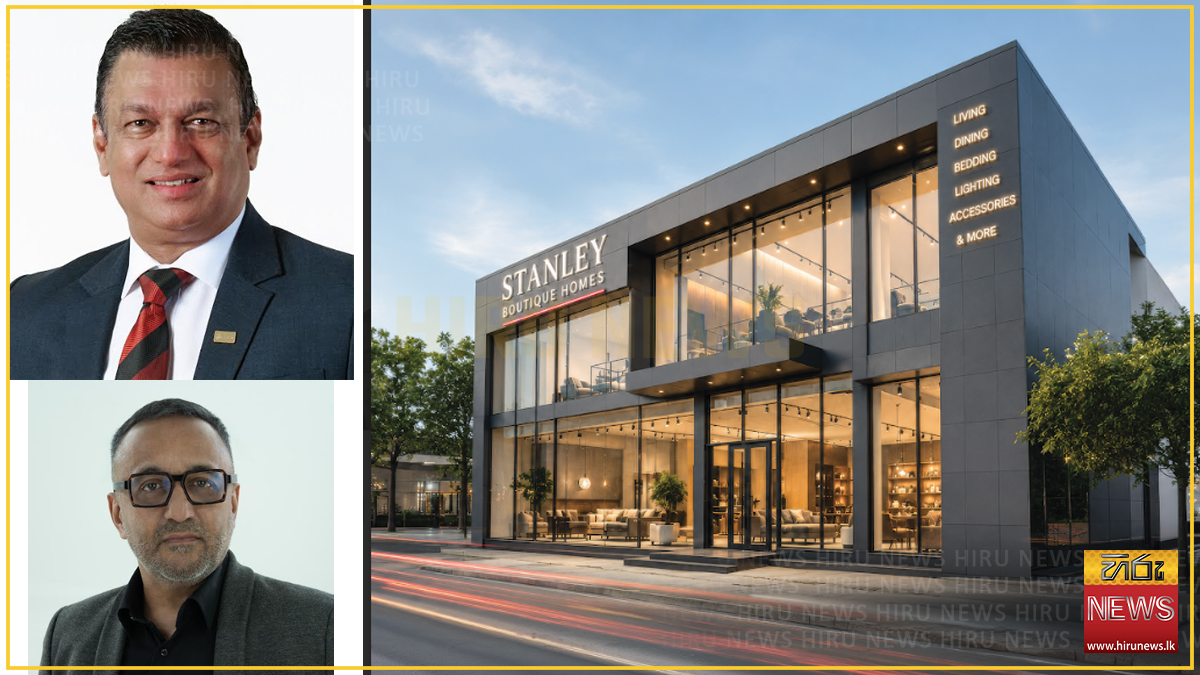
Stanley Lifestyles enters Lanka through partnership with Singer
Local
06 July 2026
AG requests to refer Gotabaya’s writ petition to Supreme Court
Local
06 July 2026
Trump goads Italy's Meloni again on eve of NATO summit
Local
06 July 2026