


Share Post


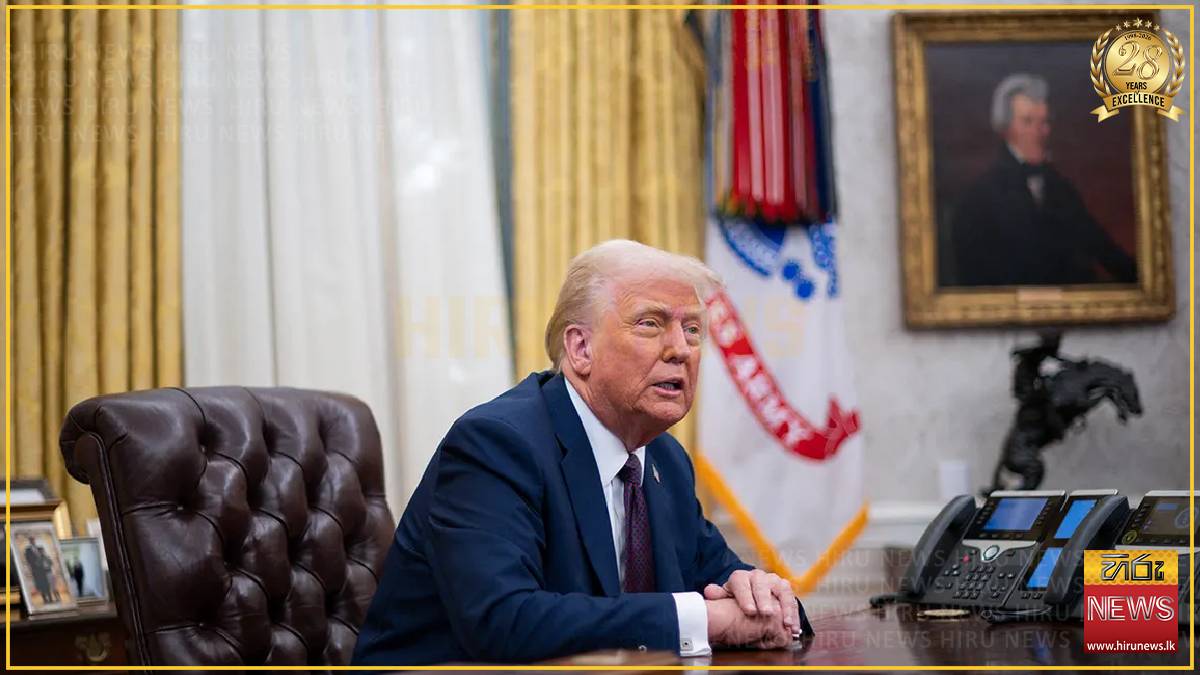
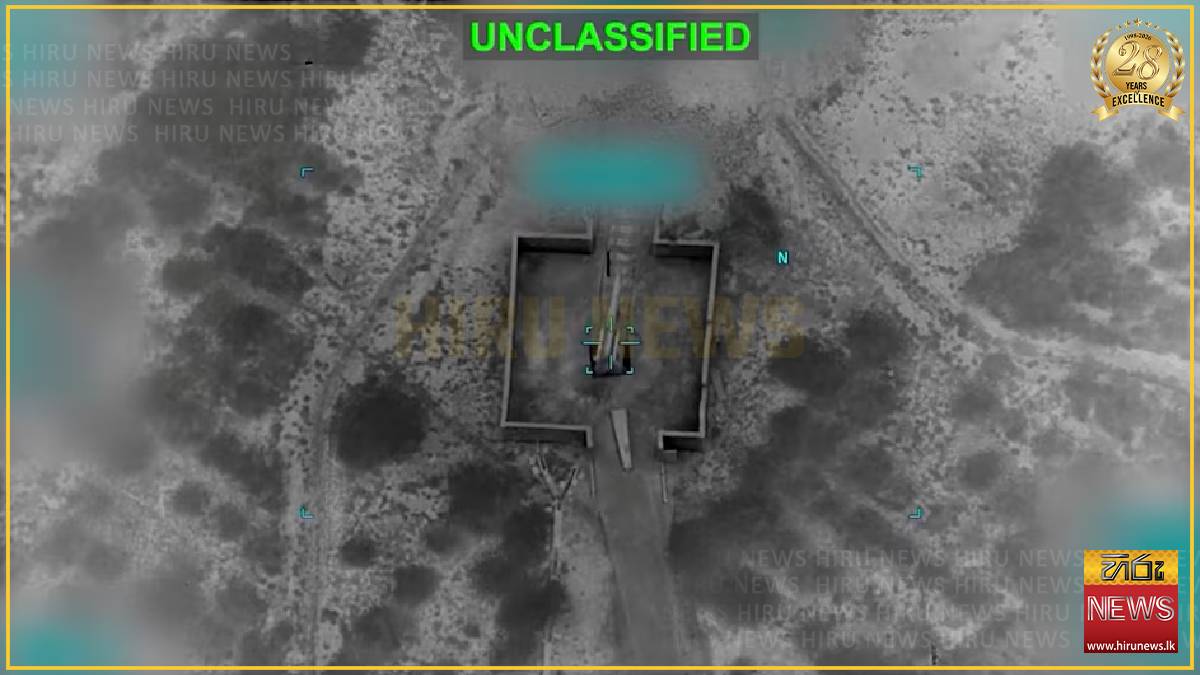
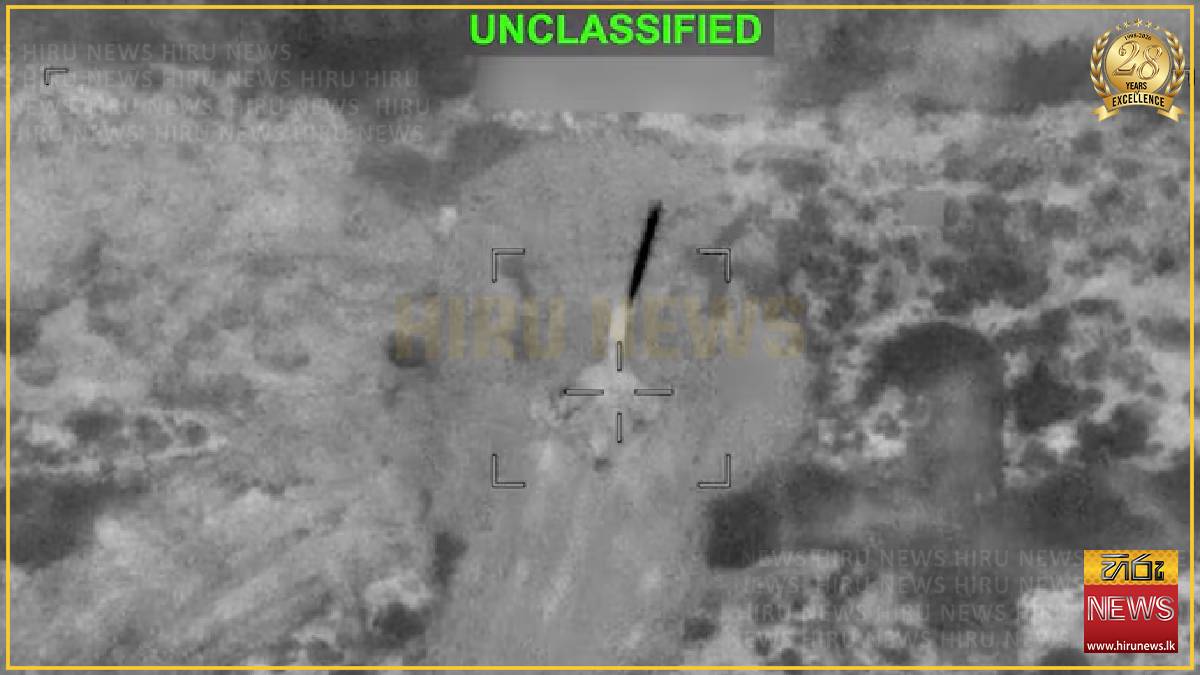
The U.S. military carried out a third consecutive night of strikes against Iran on Monday as President Donald Trump reinstated a blockade of Iranian shipping and proposed charging a 20% fee to guard the Strait of Hormuz.
U.S. Central Command said it began strikes at Trump's direction just after the U.S. president told the "Hugh Hewitt Show" that Iran would be hit "very hard tonight, and we're going to hit them hard tomorrow. And there's not a damn thing they can do about it." He later told reporters at the White House that the U.S. was attacking Iranian capabilities in the strait.
The UAE Ministry of Defense later said Iranian cruise missiles struck two Emirati oil tankers, the Mombasa and Al Bahiyah, while transiting the southern lane of the strait in Omani territorial waters, wounding one crew member and injuring eight others.
The United Kingdom Maritime Trade Operations agency said a tanker had been hit by an unknown projectile while travelling 40 nautical miles northeast of Oman's Qalhat and that all crew were safe.
Reuters could not immediately verify whether the UKMTO report referred to the same incident as the one reported by the UAE Ministry of Defense. Iran has not commented on the latest attacks.
The Islamic Revolutionary Guard Corps (IRGC) said two "offending" supertankers had been hit and disabled in the strait after ignoring repeated warnings and turning off navigation systems, Iranian media reported.
The IRGC's statement did not name the vessels or say whether they were the same tankers cited by the UAE ministry. But it accused the U.S. of "inciting vessels to use an illegal route" and warned that cooperation with the "aggressor enemy" would result in damage, delays in reopening the waterway and a global energy crisis.
Bahrain's air defense systems intercepted and destroyed Iranian aerial attacks over the kingdom, Nabeel Alhamer, media adviser to Bahrain's king, said in posts on X.
"The Hormuz Strait is OPEN, and will remain OPEN, with or without Iran. We are reinstating THE IRANIAN BLOCKADE," Trump had said earlier on Monday on Truth Social.
"The U.S.A. will be, from this point forward, known as 'THE GUARDIAN OF THE HORMUZ STRAIT', but as such, and as a matter of FAIRNESS, will be reimbursed, at the rate of 20% on all cargo shipped."
Iran's top joint military command said the U.S. had no role in determining the future of the waterway and would not be allowed to intervene. Iranian Foreign Minister Abbas Araqchi wrote on X that Tehran was the guardian of the strait and would remain so "forever", adding in response to Trump's comments that: "20% is of course too much. We will be fair."
'HOSTILE' U.S. VESSEL
Soon after the U.S. military announced renewed strikes on Iran, Iranian media reported explosions in the port city of Bandar Abbas, Iran's Kish and Qeshm islands and on Abu Musa Island in the Gulf.
Iran's Fars news agency said residents in the city of Jam in Iran's Bushehr province also heard several explosions but that the exact location of the blasts was not clear. No casualties were reported. Iranian media reports of explosions continued for more than three hours.
Iran's southwestern Khuzestan province was hit by U.S. projectiles early on Tuesday, Iran's official news agency IRNA reported, citing a provincial security official, adding that four people were wounded and rescue operations were underway. A loud explosion was also heard in Iran's southern city of Bushehr, according to Iran's semi-official Mehr news agency.
Iran's state TV cited the Iranian army as saying that it targeted a "hostile" U.S. vessel with cruise missiles and U.S. facilities and equipment in Kuwait with drones. Iranian media also said Iran's Revolutionary Guards shot down a U.S. MQ-1 drone over Hormuz, while sirens sounded early on Tuesday in Bahrain - home to another U.S. military base.
The incidents, which followed earlier exchanges of missile and drone attacks, extended the hostilities that followed Iran's announcement at the weekend that it was closing the vital waterway, casting further doubt on an interim deal to halt the war and driving oil prices higher.
The U.N. shipping agency pushed back against Trump's proposal, saying it opposes any fees for straits used in international navigation and stressing that there is no legal basis for introducing mandatory tolls on strait transits.
Trump has previously suggested the U.S. could charge tolls on shipping through the strait, but has not done so and it remains unclear whether he would follow through this time.
The U.S. Navy-led Joint Maritime Information Center said the blockade would take effect at 2000 GMT on Tuesday and apply to all vessel traffic regardless of flag, covering the entire Iranian coastline including ports and oil terminals.
It said the measure would not impede neutral transit passage through the strait to or from non-Iranian destinations, and that humanitarian shipments would be permitted subject to inspection.
The U.S. Embassy in Abu Dhabi and U.S. Consulate General in Dubai have cancelled consular appointments from July 13 to 15 due to the regional security situation, the embassy said in a security alert.
$250 MILLION A DAY
Before the conflict began in February, around a fifth of the world's oil and gas traffic passed through Hormuz daily, delivering more than 15 million barrels of fuel to global markets worth at least $1.2 billion. If the U.S. were to impose a 20% fee, it could generate around $240 million a day.
The war, launched by the United States and Israel, has destabilised the Gulf and spread across the region, with Iran attacking U.S. bases in multiple countries. Thousands of people have been killed in the war, mainly in Iran and Lebanon.
Oil prices jumped more than 9% on Monday, with Brent futures posting their biggest single-day dollar gain since April 2, and their highest settlement since June 12. U.S. crude futures made their largest daily gain since April 29 to settle at their highest since June 15.
U.S. officials said around 20 vessels had been escorted through the strait in the previous 24 hours, although ship-tracking data showed little traffic moving. MarineTraffic said on Monday that vessel activity through the strait declined by about 52% between July 10 to 12 compared to the previous week.
-Reuters
U.S. Central Command said it began strikes at Trump's direction just after the U.S. president told the "Hugh Hewitt Show" that Iran would be hit "very hard tonight, and we're going to hit them hard tomorrow. And there's not a damn thing they can do about it." He later told reporters at the White House that the U.S. was attacking Iranian capabilities in the strait.
The UAE Ministry of Defense later said Iranian cruise missiles struck two Emirati oil tankers, the Mombasa and Al Bahiyah, while transiting the southern lane of the strait in Omani territorial waters, wounding one crew member and injuring eight others.
The United Kingdom Maritime Trade Operations agency said a tanker had been hit by an unknown projectile while travelling 40 nautical miles northeast of Oman's Qalhat and that all crew were safe.
Reuters could not immediately verify whether the UKMTO report referred to the same incident as the one reported by the UAE Ministry of Defense. Iran has not commented on the latest attacks.
The Islamic Revolutionary Guard Corps (IRGC) said two "offending" supertankers had been hit and disabled in the strait after ignoring repeated warnings and turning off navigation systems, Iranian media reported.
The IRGC's statement did not name the vessels or say whether they were the same tankers cited by the UAE ministry. But it accused the U.S. of "inciting vessels to use an illegal route" and warned that cooperation with the "aggressor enemy" would result in damage, delays in reopening the waterway and a global energy crisis.
Bahrain's air defense systems intercepted and destroyed Iranian aerial attacks over the kingdom, Nabeel Alhamer, media adviser to Bahrain's king, said in posts on X.
"The Hormuz Strait is OPEN, and will remain OPEN, with or without Iran. We are reinstating THE IRANIAN BLOCKADE," Trump had said earlier on Monday on Truth Social.
"The U.S.A. will be, from this point forward, known as 'THE GUARDIAN OF THE HORMUZ STRAIT', but as such, and as a matter of FAIRNESS, will be reimbursed, at the rate of 20% on all cargo shipped."
Iran's top joint military command said the U.S. had no role in determining the future of the waterway and would not be allowed to intervene. Iranian Foreign Minister Abbas Araqchi wrote on X that Tehran was the guardian of the strait and would remain so "forever", adding in response to Trump's comments that: "20% is of course too much. We will be fair."
'HOSTILE' U.S. VESSEL
Soon after the U.S. military announced renewed strikes on Iran, Iranian media reported explosions in the port city of Bandar Abbas, Iran's Kish and Qeshm islands and on Abu Musa Island in the Gulf.
Iran's Fars news agency said residents in the city of Jam in Iran's Bushehr province also heard several explosions but that the exact location of the blasts was not clear. No casualties were reported. Iranian media reports of explosions continued for more than three hours.
Iran's southwestern Khuzestan province was hit by U.S. projectiles early on Tuesday, Iran's official news agency IRNA reported, citing a provincial security official, adding that four people were wounded and rescue operations were underway. A loud explosion was also heard in Iran's southern city of Bushehr, according to Iran's semi-official Mehr news agency.
Iran's state TV cited the Iranian army as saying that it targeted a "hostile" U.S. vessel with cruise missiles and U.S. facilities and equipment in Kuwait with drones. Iranian media also said Iran's Revolutionary Guards shot down a U.S. MQ-1 drone over Hormuz, while sirens sounded early on Tuesday in Bahrain - home to another U.S. military base.
The incidents, which followed earlier exchanges of missile and drone attacks, extended the hostilities that followed Iran's announcement at the weekend that it was closing the vital waterway, casting further doubt on an interim deal to halt the war and driving oil prices higher.
The U.N. shipping agency pushed back against Trump's proposal, saying it opposes any fees for straits used in international navigation and stressing that there is no legal basis for introducing mandatory tolls on strait transits.
Trump has previously suggested the U.S. could charge tolls on shipping through the strait, but has not done so and it remains unclear whether he would follow through this time.
The U.S. Navy-led Joint Maritime Information Center said the blockade would take effect at 2000 GMT on Tuesday and apply to all vessel traffic regardless of flag, covering the entire Iranian coastline including ports and oil terminals.
It said the measure would not impede neutral transit passage through the strait to or from non-Iranian destinations, and that humanitarian shipments would be permitted subject to inspection.
The U.S. Embassy in Abu Dhabi and U.S. Consulate General in Dubai have cancelled consular appointments from July 13 to 15 due to the regional security situation, the embassy said in a security alert.
$250 MILLION A DAY
Before the conflict began in February, around a fifth of the world's oil and gas traffic passed through Hormuz daily, delivering more than 15 million barrels of fuel to global markets worth at least $1.2 billion. If the U.S. were to impose a 20% fee, it could generate around $240 million a day.
The war, launched by the United States and Israel, has destabilised the Gulf and spread across the region, with Iran attacking U.S. bases in multiple countries. Thousands of people have been killed in the war, mainly in Iran and Lebanon.
Oil prices jumped more than 9% on Monday, with Brent futures posting their biggest single-day dollar gain since April 2, and their highest settlement since June 12. U.S. crude futures made their largest daily gain since April 29 to settle at their highest since June 15.
U.S. officials said around 20 vessels had been escorted through the strait in the previous 24 hours, although ship-tracking data showed little traffic moving. MarineTraffic said on Monday that vessel activity through the strait declined by about 52% between July 10 to 12 compared to the previous week.
-Reuters
Latest News
Death toll from a Bangkok bar fire rises to 30
Local
14 July 2026

Shaheen Afridi cleared for LPL debut
Local
14 July 2026

World Cup 2026 triggers unprecedented global airfare crisis
Local
14 July 2026

Houthis launch attacks on Saudi airport
Local
14 July 2026
Huge forest fire breaks out south of Paris
Local
14 July 2026
South Korean court sentences ousted President Yoon to 2-years imprisonment
Local
14 July 2026

US says it has completed its latest wave of strikes on Iran
Local
14 July 2026
OPEC cuts demand forecast again as the oil market starts looking past Hormuz
Local
14 July 2026

Hotel Transylvania 5 sets October 2027 release
Local
14 July 2026

Trump wants US reimbursed for protecting Strait of Hormuz
Local
14 July 2026