Share Post


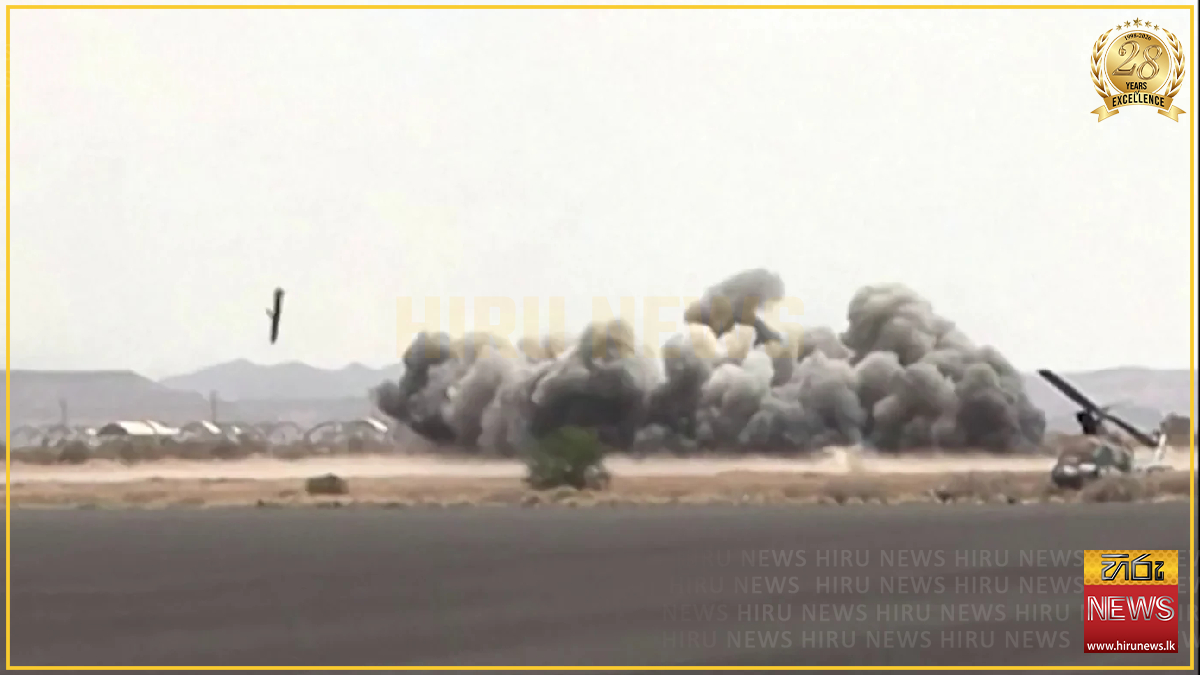
The Iran-backed Houthi rebels in Yemen said they launched missiles and drones at Saudi Arabia’s Abha International Airport on Monday in response to airstrikes they blamed on Saudi Arabia that struck Sanaa International Airport earlier in the day.
No casualties were reported, but the attacks marked an escalation not seen since a Saudi-led coalition struck Houthi-controlled areas several years ago. Saudi Arabian officials did not immediately respond to a request for comment about the airstrikes in Yemen.
Houthi military spokesman Brig. Gen. Yahya Saree, in a video statement on Telegram, warned airlines against flying through Saudi airspace, saying these warnings should be taken “seriously until the blockade on Sanaa International Airport is lifted.”
The internationally recognized government in Yemen said earlier that the strikes that hit Sanaa International Airport were meant to prevent an Iranian plane from landing.
The Houthis vowed to retaliate for the strike, which marked the first major escalation between the Houthis and Saudi Arabia following a period of relative calm.
The U.N. Security Council, in an emergency meeting on the developments Monday afternoon, officials expressed concern about the risk of a wider escalation.
“Yemen and the wider region cannot afford another cycle of escalation,” U.N. Assistant Secretary-General for political affairs Khaled Khiari told the 15-member council. “We call on all actors to constructively engage in negotiations under UN auspices.”
For years, a Saudi-led coalition based in Yemen’s south has fought the Houthis in the north.
Saree said on Telegram earlier on Monday that Saudi Arabia launched the airstrikes in what he called the end of a period of “de-escalation.” He warned that “this aggression will not go unanswered or unpunished.”
In the latest Telegram update, Saree said the strikes in Sanaa were aimed at “closing it to humanitarian flights carrying patients and stranded individuals to and from Sana’a International Airport.”
Yemen’s civil war began in 2014 when the Houthis seized the capital, Sanaa, and much of northern Yemen and forced the government into exile. A Saudi-led coalition, including the United Arab Emirates, intervened the following year to try to restore the government to power. Tensions rose earlier this year between U.S. allies Saudi Arabia and the UAE as their yearslong partnership in the war in Yemen broke down, leading to the UAE pulling out of Yemen.
-AP News
No casualties were reported, but the attacks marked an escalation not seen since a Saudi-led coalition struck Houthi-controlled areas several years ago. Saudi Arabian officials did not immediately respond to a request for comment about the airstrikes in Yemen.
Houthi military spokesman Brig. Gen. Yahya Saree, in a video statement on Telegram, warned airlines against flying through Saudi airspace, saying these warnings should be taken “seriously until the blockade on Sanaa International Airport is lifted.”
The internationally recognized government in Yemen said earlier that the strikes that hit Sanaa International Airport were meant to prevent an Iranian plane from landing.
The Houthis vowed to retaliate for the strike, which marked the first major escalation between the Houthis and Saudi Arabia following a period of relative calm.
The U.N. Security Council, in an emergency meeting on the developments Monday afternoon, officials expressed concern about the risk of a wider escalation.
“Yemen and the wider region cannot afford another cycle of escalation,” U.N. Assistant Secretary-General for political affairs Khaled Khiari told the 15-member council. “We call on all actors to constructively engage in negotiations under UN auspices.”
For years, a Saudi-led coalition based in Yemen’s south has fought the Houthis in the north.
Saree said on Telegram earlier on Monday that Saudi Arabia launched the airstrikes in what he called the end of a period of “de-escalation.” He warned that “this aggression will not go unanswered or unpunished.”
In the latest Telegram update, Saree said the strikes in Sanaa were aimed at “closing it to humanitarian flights carrying patients and stranded individuals to and from Sana’a International Airport.”
Yemen’s civil war began in 2014 when the Houthis seized the capital, Sanaa, and much of northern Yemen and forced the government into exile. A Saudi-led coalition, including the United Arab Emirates, intervened the following year to try to restore the government to power. Tensions rose earlier this year between U.S. allies Saudi Arabia and the UAE as their yearslong partnership in the war in Yemen broke down, leading to the UAE pulling out of Yemen.
-AP News
Latest News
Dengue cases reach 14,572 in 13 days; death toll rises to 48
Local
14 July 2026

UK to designate Iran’s IRGC threat to national security
Local
14 July 2026

iPhone 18 Pro Max new battery could make it a chunky boy at 240 grams
Local
14 July 2026

Hema Malini names Deepika Padukone as her biopic choice
Local
14 July 2026

Officer Gunawardena who battled to save terminally ill son among the dead
Local
14 July 2026

Commercial Bank to issue Rs. 20 Bn Basel III compliant debentures
Local
14 July 2026

Iran mocks Trump over 20% Strait of Hormuz fee claim
Local
14 July 2026
US refunds $81bn in Trump tariffs after supreme court ruled them illegal
Local
14 July 2026
'Mojtaba Khamenei Is 90% Gone': Trump's big claim as US strikes Iran again
Local
14 July 2026

Marco Rubio launches campaign to dismantle international criminal court
Local
14 July 2026