Share Post


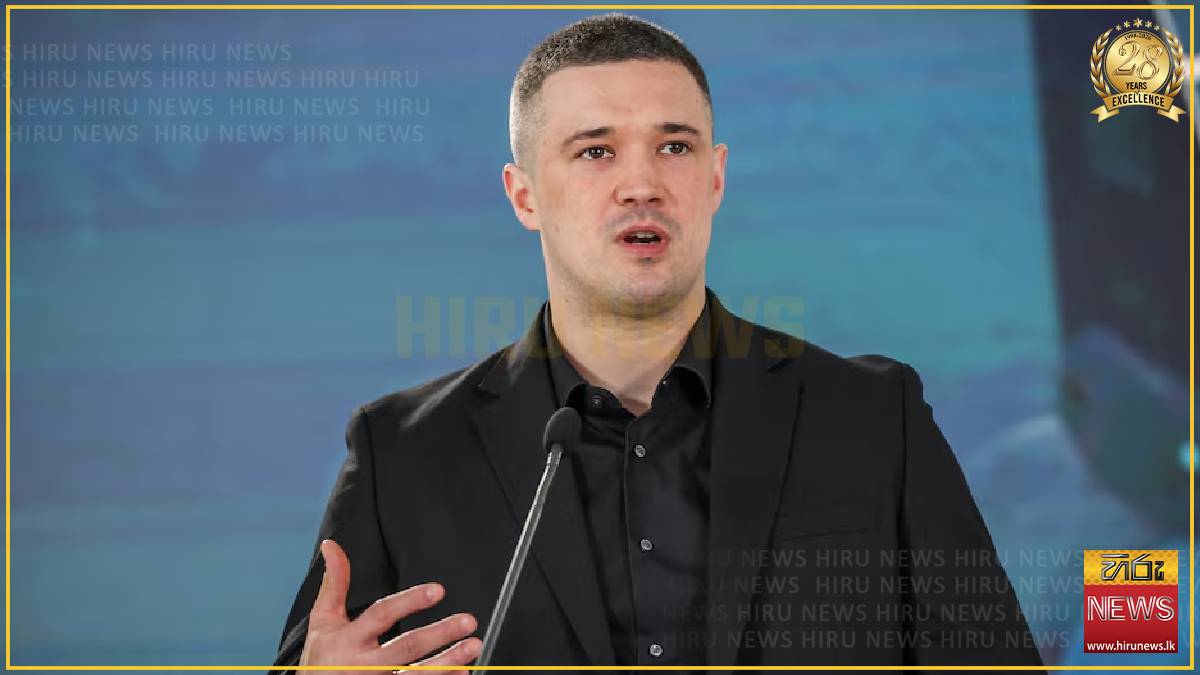
As President Volodymyr Zelenskiy prepares to reshuffle his cabinet, the focus will be on Defence Minister Mykhailo Fedorov — a 35-year-old tech expert with "Cossack military cunning" — whose ouster could impact Kyiv's efforts in its war with Russia.
Since his appointment just six months ago, Fedorov has led an ambitious campaign to transform Ukraine's outmanned army into a more efficient fighting force.
Maria Berlinska, a prominent volunteer and drone warfare advocate, said Fedorov's "out-of-the-box thinking" has helped break through bureaucracy in all the roles he has held.
"I see before me a thoughtful, mature Ukrainian with Cossack military cunning," Berlinska wrote on Tuesday, recalling her first meeting with him after his appointment.
It is unclear whether Zelenskiy, embarking on his second cabinet shake-up in a year, plans to keep Fedorov in his post at a time when the war with Russia is at a critical juncture.
Even if he is nominated again, some lawmakers have suggested that parliament may not approve him given cross-party concerns, adding an element of risk ahead of a vote scheduled for Thursday.
Fedorov's attempts to clean up defence procurement have angered parts of the establishment, his supporters say. He has also been criticised by some lawmakers for failing to deliver quickly enough on his pledge to reform recruitment.
In a surprise announcement on Sunday, Zelenskiy said his overhaul was aimed at "renewal" in government and law enforcement but left much of Kyiv's political class reeling.
Outgoing Prime Minister Yulia Svyrydenko's removal, after just a year in office, triggered the resignation of the whole government. Under Ukraine's system, the president picks the defence and foreign ministers, which parliament must approve.
Critics of the changes warn that replacing Fedorov could destabilise a key ministry just as Ukraine appears to be putting fresh pressure on Russia by disrupting energy supplies and slowing its battlefield advances.
Ukraine also still faces critical challenges like a shortage of air defences and manpower.
"We can shuffle around anything we want, but I have a request: at least leave the defence ministry stable," opposition lawmaker Solomiia Bobrovska said in parliament on Tuesday.
Even if the broadly popular Fedorov stays, the episode threatens to further dent public and parliamentary trust in Zelenskiy's wartime leadership, just when Ukraine's fortunes appear to be reversing.
Previously, as Ukraine's first minister for digital transformation, Fedorov streamlined key state services into a now-ubiquitous app.
As defence minister, he has been credited with boosting drone procurement and pursuing a data-driven strategy of exhausting Russian forces.
Andriy Nazarenko, commander of the 72nd Mechanised Brigade's unmanned systems battalion "Bulava", told Reuters he "unequivocally" supports Fedorov — a position he said was shared widely among his military contacts.
In its strongest military position since late 2022, Ukraine is targeting Russian oil refineries and battlefield logistics in strikes that are weakening the Kremlin's war machine.
Russia says it is on course to achieve its goals in the war, now in its fifth year.
Despite its success, Ukraine lacks U.S.-designed interceptors to shoot down the ballistic missiles that have rained down on major cities like Kyiv in greater numbers.
Officials are bracing for another winter of Russian strikes on the power grid.
Meanwhile, Fedorov's sprawling reforms to alleviate the army's manpower shortage remain in progress, while abuse and mismanagement still plague the draft and some military units.
And on the battlefield, Russia is grinding toward Ukraine's "fortress belt" of key cities in the eastern Donetsk region that Russian President Vladimir Putin is pushing to occupy in its entirety.
Whether or not Fedorov remains in post, any progress made under him must be "institutionalised" within the ministry to make it less reliant on any one individual, said Serhii Kuzan, head of the Ukrainian Security and Cooperation Centre think-tank in Kyiv.
"It is exactly this kind of approach that ensures the stability of state processes in the long term."
- Reuters
Since his appointment just six months ago, Fedorov has led an ambitious campaign to transform Ukraine's outmanned army into a more efficient fighting force.
Maria Berlinska, a prominent volunteer and drone warfare advocate, said Fedorov's "out-of-the-box thinking" has helped break through bureaucracy in all the roles he has held.
"I see before me a thoughtful, mature Ukrainian with Cossack military cunning," Berlinska wrote on Tuesday, recalling her first meeting with him after his appointment.
It is unclear whether Zelenskiy, embarking on his second cabinet shake-up in a year, plans to keep Fedorov in his post at a time when the war with Russia is at a critical juncture.
Even if he is nominated again, some lawmakers have suggested that parliament may not approve him given cross-party concerns, adding an element of risk ahead of a vote scheduled for Thursday.
Fedorov's attempts to clean up defence procurement have angered parts of the establishment, his supporters say. He has also been criticised by some lawmakers for failing to deliver quickly enough on his pledge to reform recruitment.
In a surprise announcement on Sunday, Zelenskiy said his overhaul was aimed at "renewal" in government and law enforcement but left much of Kyiv's political class reeling.
Outgoing Prime Minister Yulia Svyrydenko's removal, after just a year in office, triggered the resignation of the whole government. Under Ukraine's system, the president picks the defence and foreign ministers, which parliament must approve.
Critics of the changes warn that replacing Fedorov could destabilise a key ministry just as Ukraine appears to be putting fresh pressure on Russia by disrupting energy supplies and slowing its battlefield advances.
Ukraine also still faces critical challenges like a shortage of air defences and manpower.
"We can shuffle around anything we want, but I have a request: at least leave the defence ministry stable," opposition lawmaker Solomiia Bobrovska said in parliament on Tuesday.
Even if the broadly popular Fedorov stays, the episode threatens to further dent public and parliamentary trust in Zelenskiy's wartime leadership, just when Ukraine's fortunes appear to be reversing.
Previously, as Ukraine's first minister for digital transformation, Fedorov streamlined key state services into a now-ubiquitous app.
As defence minister, he has been credited with boosting drone procurement and pursuing a data-driven strategy of exhausting Russian forces.
Andriy Nazarenko, commander of the 72nd Mechanised Brigade's unmanned systems battalion "Bulava", told Reuters he "unequivocally" supports Fedorov — a position he said was shared widely among his military contacts.
In its strongest military position since late 2022, Ukraine is targeting Russian oil refineries and battlefield logistics in strikes that are weakening the Kremlin's war machine.
Russia says it is on course to achieve its goals in the war, now in its fifth year.
Despite its success, Ukraine lacks U.S.-designed interceptors to shoot down the ballistic missiles that have rained down on major cities like Kyiv in greater numbers.
Officials are bracing for another winter of Russian strikes on the power grid.
Meanwhile, Fedorov's sprawling reforms to alleviate the army's manpower shortage remain in progress, while abuse and mismanagement still plague the draft and some military units.
And on the battlefield, Russia is grinding toward Ukraine's "fortress belt" of key cities in the eastern Donetsk region that Russian President Vladimir Putin is pushing to occupy in its entirety.
Whether or not Fedorov remains in post, any progress made under him must be "institutionalised" within the ministry to make it less reliant on any one individual, said Serhii Kuzan, head of the Ukrainian Security and Cooperation Centre think-tank in Kyiv.
"It is exactly this kind of approach that ensures the stability of state processes in the long term."
- Reuters
Latest News
ICC revamps ODI and T20 World Cups
Local
15 July 2026
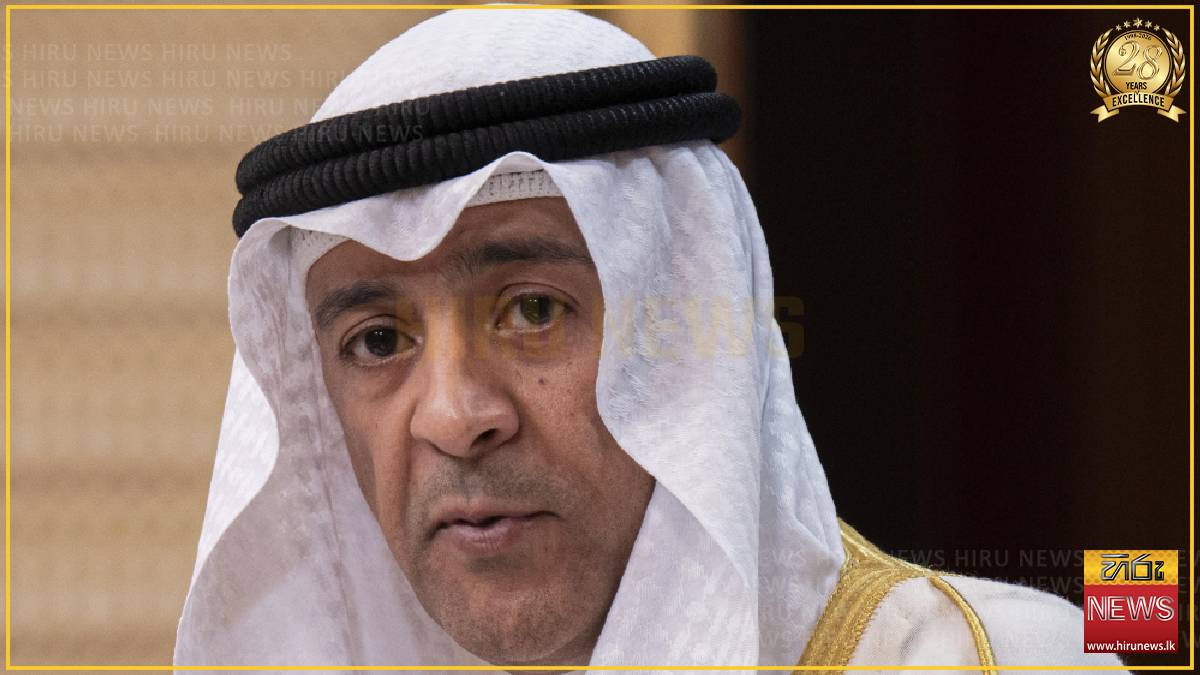
GCC chief condemns ‘treacherous’ Iranian attacks
Local
15 July 2026
Negombo Mayor steps down
Local
15 July 2026
US military ‘key’ to Gulf energy flows, US energy secretary says
Local
15 July 2026
NIBM launches Best Innovative Business Model Awards to recognise business excellence
Local
15 July 2026
Malaysia to deport any Israeli involved in tech commune in Forest City as probe continues: Anwar
Local
15 July 2026
UK's Reform calls for 'full security' for lawmakers after politician's murder
Local
15 July 2026
‘This war was unnecessary,’ and no objectives achieved
Local
15 July 2026
NÜWA at City of Dreams celebrates one year
Local
15 July 2026

Will Ferrell reunites with longtime collaborators for 'The Hawk'
Local
15 July 2026