



Share Post


The United Nations Development Program (UNDP) is beginning the design of its next five-year Country Program for Sri Lanka, with employment creation, economic prosperity, and faster implementation of reforms emerging as key priorities to support the country’s transition from economic stabilisation to sustainable growth.
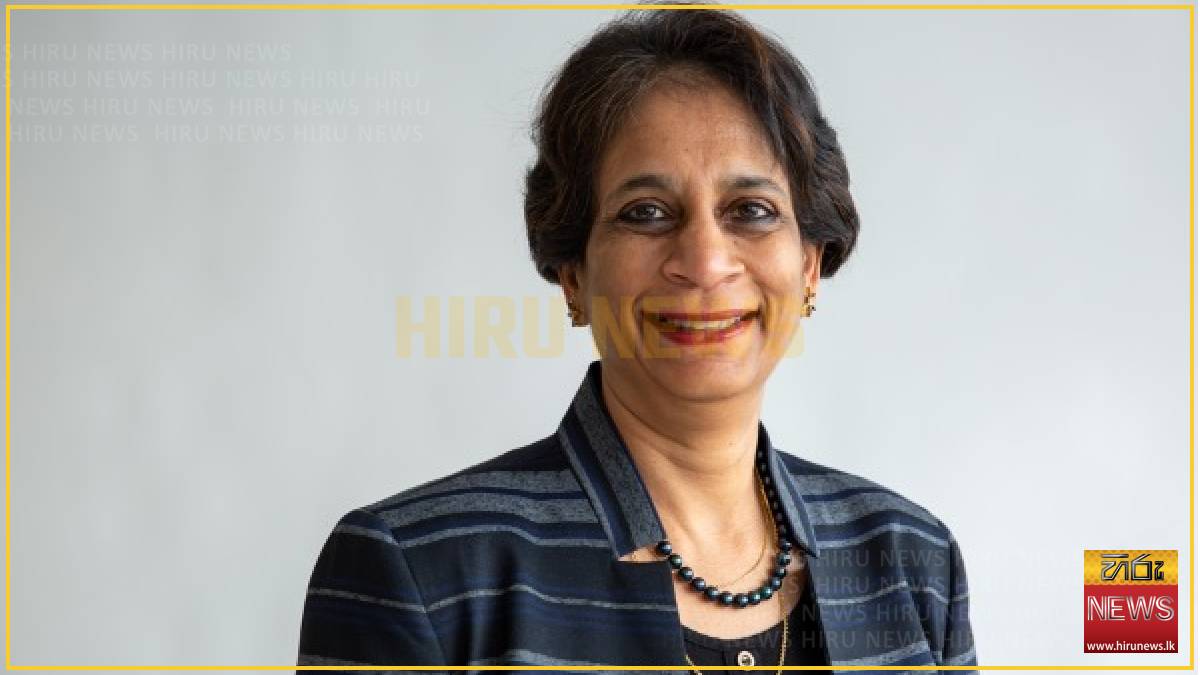
During her two-day mission to Sri Lanka, speaking to a local media outlet, Sri Lankan-born senior UN Assistant Secretary-General and UNDP Regional Director for Asia and the Pacific Kanni Wignaraja said the new program, which will be developed over the coming year through countrywide consultations before being presented to the UNDP Executive Board for approval next August, will focus on helping the country build long-term resilience while addressing structural challenges that continue to constrain growth.
Noting the country’s recovery was “astounding,” she stressed that stabilisation alone would not deliver lasting prosperity.
“The question now is how we expand the economic pie,” she said, noting that Sri Lanka must sustain inclusive growth while ensuring more people benefit from the recovery.
She said one consistent message emerging from discussions with Government leaders, development partners, and other stakeholders was that reforms now need to move much faster.
“The key is implementation faster,” Wignaraja said, calling for fewer bureaucratic layers, shorter approval processes, and quicker delivery of priority reforms and investments. “You can’t stay in this spot now. We have to build back faster, not just better.”
She said maintaining macroeconomic stability remained essential for preserving investor confidence, but argued that Sri Lanka’s next phase of development would depend on improving competitiveness, raising productivity, and creating quality employment opportunities.
Jobs will therefore become one of the defining pillars of the UNDP’s next program.
Wignaraja pointed to the growing outflow of young skilled Sri Lankans as one of the country’s biggest long-term development challenges. While overseas employment generates income, skills, and remittances, it also leaves critical gaps within the domestic workforce.
“The challenge is how you encourage young people to go out, gain skills and income, but also attract them back to contribute to the country that invested in their education,” she said.
At the same time, Sri Lanka must continue retraining and reskilling its workforce while exploring ways to address shortages in key sectors.
She described migration as a global phenomenon rather than one unique to Sri Lanka, noting that even the most successful countries create a circular flow of talent, where people leave to acquire new experience before returning with skills, technology, finance, and international networks that strengthen the domestic economy.
The urgency is heightened by Sri Lanka’s rapidly ageing population, she noted.
Although the country regained upper-middle-income status, Wignaraja said many households are yet to experience the benefits associated with that classification.
“The objective is to become more prosperous before you grow much older,” she observed, warning that otherwise demographic pressures would place increasing strain on pensions, healthcare, and social protection systems.
Alongside employment, the next UNDP Country Program is expected to prioritise energy security, water security, climate action, governance reforms, and innovative financing, providing an integrated framework to support Sri Lanka’s next stage of development.
During her visit, Wignaraja met Government leaders, development partners, the private sector, and other stakeholders, whilst sharing the UNDP’s latest Sri Lanka policy brief, ‘Redefining Resilience in an Era of Compound Shocks,’ outlining strategies to strengthen resilience against intersecting economic, climate, and geopolitical risks.
During her two-day mission to Sri Lanka, speaking to a local media outlet, Sri Lankan-born senior UN Assistant Secretary-General and UNDP Regional Director for Asia and the Pacific Kanni Wignaraja said the new program, which will be developed over the coming year through countrywide consultations before being presented to the UNDP Executive Board for approval next August, will focus on helping the country build long-term resilience while addressing structural challenges that continue to constrain growth.
Noting the country’s recovery was “astounding,” she stressed that stabilisation alone would not deliver lasting prosperity.
“The question now is how we expand the economic pie,” she said, noting that Sri Lanka must sustain inclusive growth while ensuring more people benefit from the recovery.
She said one consistent message emerging from discussions with Government leaders, development partners, and other stakeholders was that reforms now need to move much faster.
“The key is implementation faster,” Wignaraja said, calling for fewer bureaucratic layers, shorter approval processes, and quicker delivery of priority reforms and investments. “You can’t stay in this spot now. We have to build back faster, not just better.”
She said maintaining macroeconomic stability remained essential for preserving investor confidence, but argued that Sri Lanka’s next phase of development would depend on improving competitiveness, raising productivity, and creating quality employment opportunities.
Jobs will therefore become one of the defining pillars of the UNDP’s next program.
Wignaraja pointed to the growing outflow of young skilled Sri Lankans as one of the country’s biggest long-term development challenges. While overseas employment generates income, skills, and remittances, it also leaves critical gaps within the domestic workforce.
“The challenge is how you encourage young people to go out, gain skills and income, but also attract them back to contribute to the country that invested in their education,” she said.
At the same time, Sri Lanka must continue retraining and reskilling its workforce while exploring ways to address shortages in key sectors.
She described migration as a global phenomenon rather than one unique to Sri Lanka, noting that even the most successful countries create a circular flow of talent, where people leave to acquire new experience before returning with skills, technology, finance, and international networks that strengthen the domestic economy.
The urgency is heightened by Sri Lanka’s rapidly ageing population, she noted.
Although the country regained upper-middle-income status, Wignaraja said many households are yet to experience the benefits associated with that classification.
“The objective is to become more prosperous before you grow much older,” she observed, warning that otherwise demographic pressures would place increasing strain on pensions, healthcare, and social protection systems.
Alongside employment, the next UNDP Country Program is expected to prioritise energy security, water security, climate action, governance reforms, and innovative financing, providing an integrated framework to support Sri Lanka’s next stage of development.
During her visit, Wignaraja met Government leaders, development partners, the private sector, and other stakeholders, whilst sharing the UNDP’s latest Sri Lanka policy brief, ‘Redefining Resilience in an Era of Compound Shocks,’ outlining strategies to strengthen resilience against intersecting economic, climate, and geopolitical risks.
Latest News
Oil companies, profiting from the US-Iran war, pose a problem for Trump
Local
04 August 2026
Iran says Hormuz talks with Oman continue as Qatar calls for regional consensus
Local
04 August 2026

Democratic lawmakers push Pentagon on Iran casualty accounting
Local
04 August 2026

Wildfires ease in Greece as people return to gutted homes
Local
04 August 2026
Cyclosporiasis cases in Michigan climb to 11,508 in ongoing outbreak
Local
04 August 2026

US-facilitated Israel-Lebanon talks have begun, US says
Local
04 August 2026
Air India Phuket-Delhi plane dropped 300 feet, 17 injured in mid-air scare
Local
04 August 2026

Record funding package announced for Britain's winter athletes
Local
04 August 2026

North Korea's Vietnam War dead to get first memorial 60 years on
Local
04 August 2026

'We are cool' - Szoboszlai plays down Liverpool row
Local
04 August 2026