



Share Post


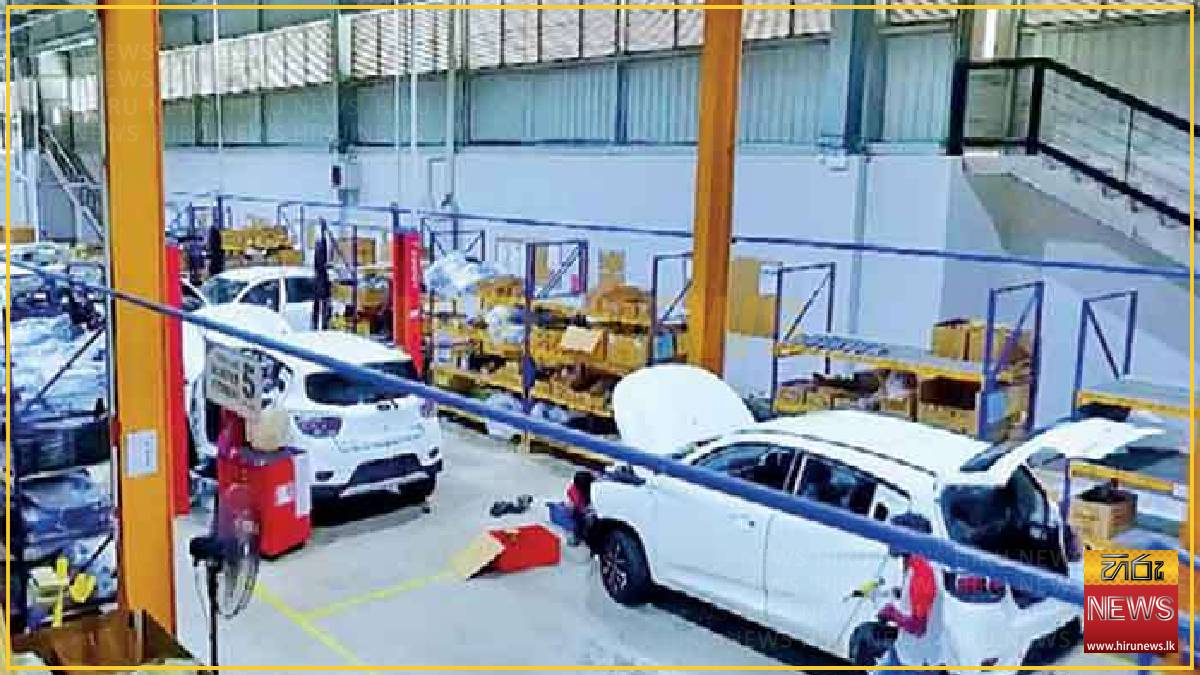
Sri Lanka’s automotive sector is transitioning from its traditional reliance on imported vehicles toward domestic manufacturing.
The government is shifting its policy focus toward local vehicle production to generate industrial jobs, strengthen manufacturing capabilities, and retain economic value within the country.
Over 15 assembly plants currently operate in Sri Lanka under regulations requiring locally assembled vehicles to maintain a minimum of 20 percent domestic value addition, according to the Ceylon Chamber of Commerce Motor Vehicle Industry Report 2025/26.
This trend represents a strategic shift for an industry historically focused on vehicle distribution. Although imports remain essential, the emphasis on local assembly aligns with broader goals to foster domestic production, build a skilled workforce, and encourage supporting industries.
Vehicle demand rebounded following the relaxation of import limits, with over 327,000 new registrations during the first half of 2026. Custom duties on motor vehicle imports reached 896.4 billion rupees, highlighting the sector's contribution to state revenue.
Globally, the automotive sector is experiencing major changes, with electric vehicles representing one out of every four new cars sold worldwide as annual sales exceeded 20 million units.
Artificial intelligence is simultaneously transforming vehicle manufacturing by reducing design and testing schedules by up to 50 percent while improving production efficiency.
The government is shifting its policy focus toward local vehicle production to generate industrial jobs, strengthen manufacturing capabilities, and retain economic value within the country.
Over 15 assembly plants currently operate in Sri Lanka under regulations requiring locally assembled vehicles to maintain a minimum of 20 percent domestic value addition, according to the Ceylon Chamber of Commerce Motor Vehicle Industry Report 2025/26.
This trend represents a strategic shift for an industry historically focused on vehicle distribution. Although imports remain essential, the emphasis on local assembly aligns with broader goals to foster domestic production, build a skilled workforce, and encourage supporting industries.
Vehicle demand rebounded following the relaxation of import limits, with over 327,000 new registrations during the first half of 2026. Custom duties on motor vehicle imports reached 896.4 billion rupees, highlighting the sector's contribution to state revenue.
Globally, the automotive sector is experiencing major changes, with electric vehicles representing one out of every four new cars sold worldwide as annual sales exceeded 20 million units.
Artificial intelligence is simultaneously transforming vehicle manufacturing by reducing design and testing schedules by up to 50 percent while improving production efficiency.
Latest News
Fire at Russia's Ilsky oil refinery put out after Ukrainian drone attack
Local
08 August 2026

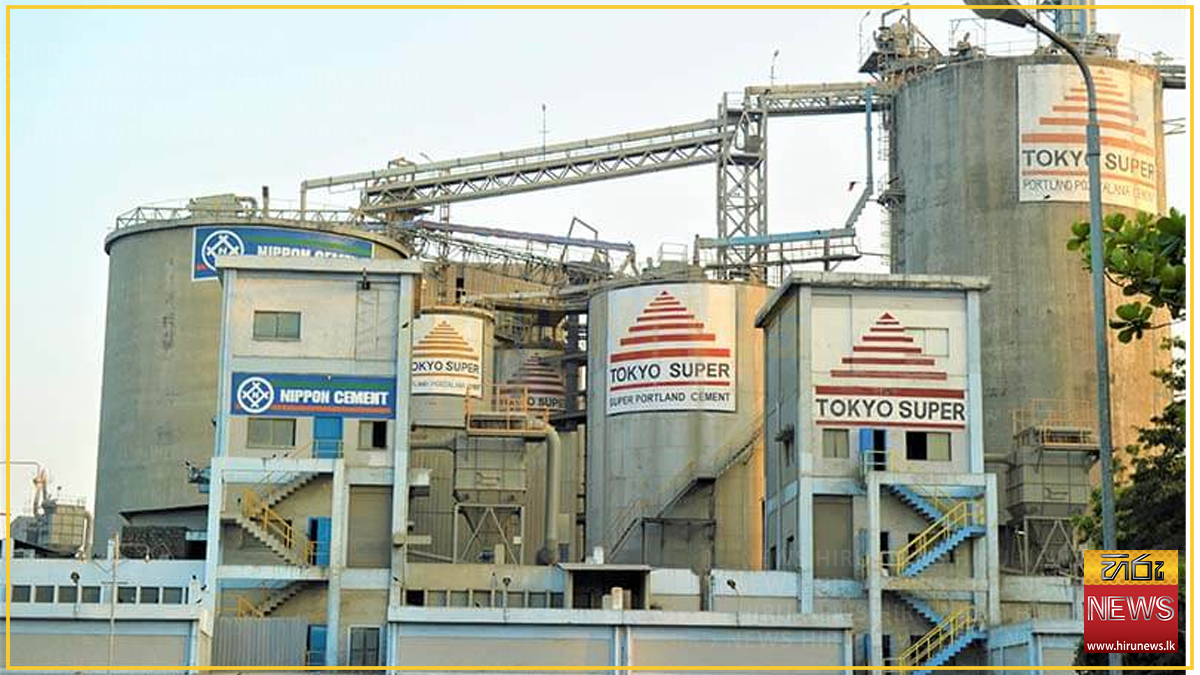
Tokyo Cement posts steady Q1, with turnover near Rs. 16 Bn
Local
08 August 2026
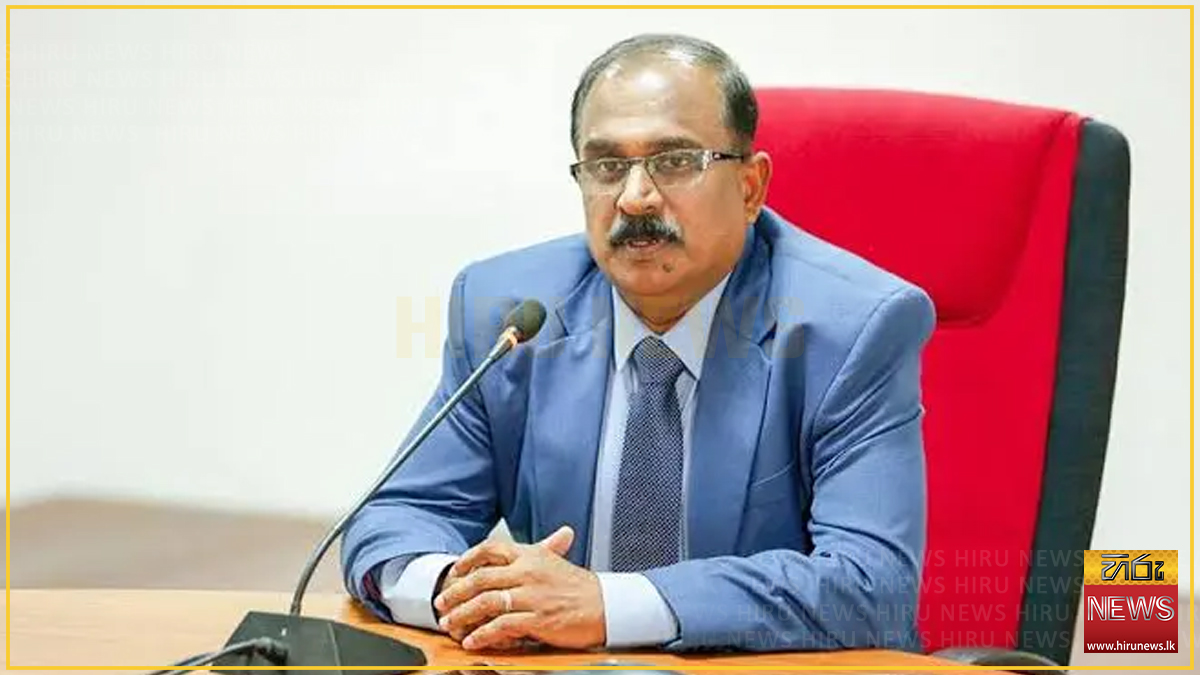
Government prioritises public security as national security stands established, says Deputy Minister
Local
08 August 2026
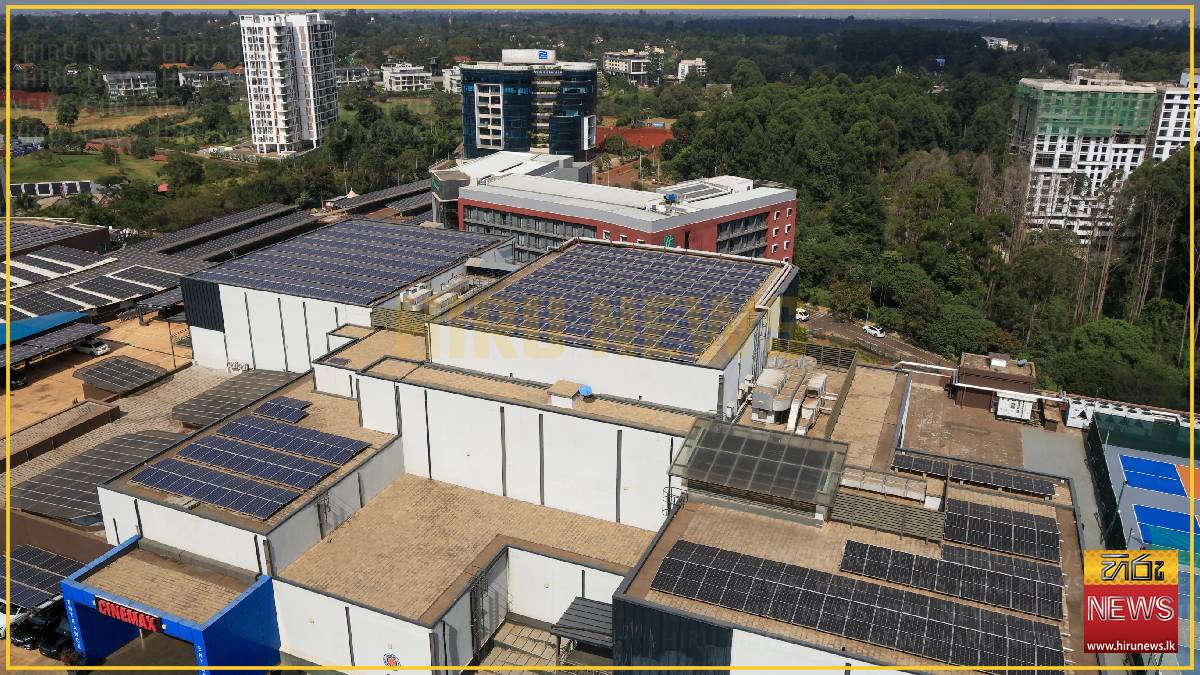
Africa wants more homegrown solar to boost self-reliance
Local
08 August 2026
Scientists turn to sharks to improve hurricane predictions
Local
08 August 2026

US suspends avocado inspections in Mexican state of Michoacan due to threat
Local
08 August 2026
Sophia Laforteza steps away from Katseye, the second member to depart this year
Local
08 August 2026

Book hidden in fireplace returned to Australian library 150 years overdue
Local
08 August 2026

Pentagon revokes former Air Force Secretary Frank Kendall’s access to classified information
Local
08 August 2026

US Senate passes short-term funding bill to avert federal shutdown before election
Local
08 August 2026