Share Post


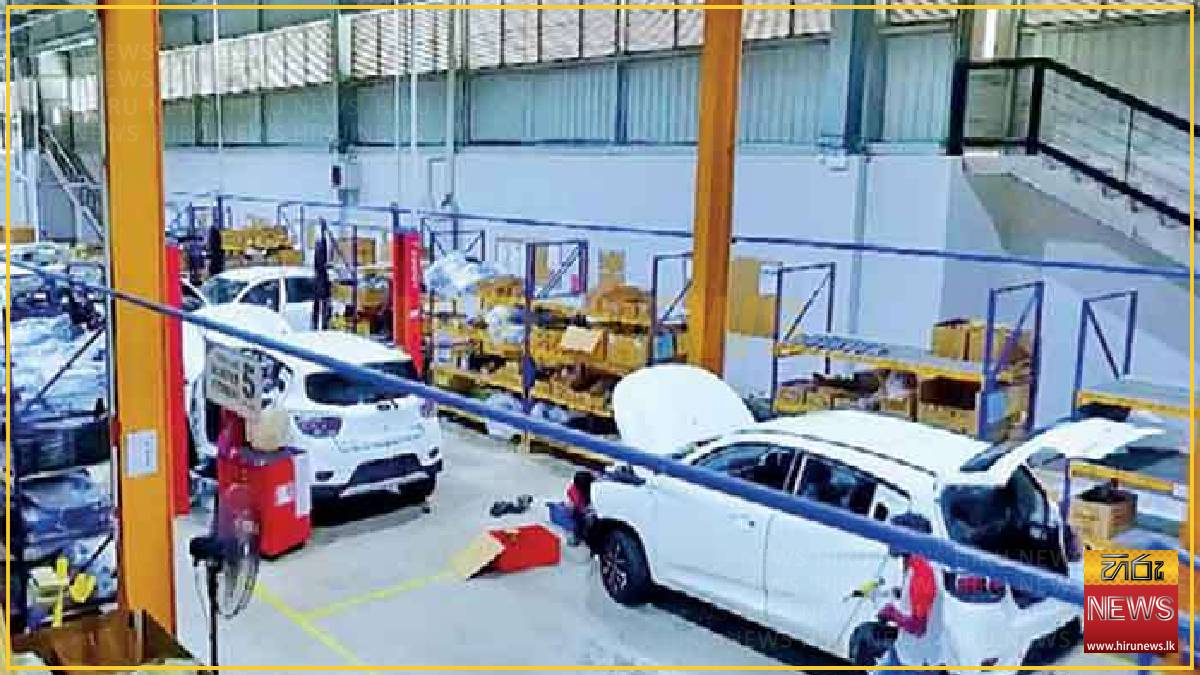
Sri Lanka’s automotive sector is transitioning from its traditional reliance on imported vehicles toward domestic manufacturing.
The government is shifting its policy focus toward local vehicle production to generate industrial jobs, strengthen manufacturing capabilities, and retain economic value within the country.
Over 15 assembly plants currently operate in Sri Lanka under regulations requiring locally assembled vehicles to maintain a minimum of 20 percent domestic value addition, according to the Ceylon Chamber of Commerce Motor Vehicle Industry Report 2025/26.
This trend represents a strategic shift for an industry historically focused on vehicle distribution. Although imports remain essential, the emphasis on local assembly aligns with broader goals to foster domestic production, build a skilled workforce, and encourage supporting industries.
Vehicle demand rebounded following the relaxation of import limits, with over 327,000 new registrations during the first half of 2026. Custom duties on motor vehicle imports reached 896.4 billion rupees, highlighting the sector's contribution to state revenue.
Globally, the automotive sector is experiencing major changes, with electric vehicles representing one out of every four new cars sold worldwide as annual sales exceeded 20 million units.
Artificial intelligence is simultaneously transforming vehicle manufacturing by reducing design and testing schedules by up to 50 percent while improving production efficiency.
The government is shifting its policy focus toward local vehicle production to generate industrial jobs, strengthen manufacturing capabilities, and retain economic value within the country.
Over 15 assembly plants currently operate in Sri Lanka under regulations requiring locally assembled vehicles to maintain a minimum of 20 percent domestic value addition, according to the Ceylon Chamber of Commerce Motor Vehicle Industry Report 2025/26.
This trend represents a strategic shift for an industry historically focused on vehicle distribution. Although imports remain essential, the emphasis on local assembly aligns with broader goals to foster domestic production, build a skilled workforce, and encourage supporting industries.
Vehicle demand rebounded following the relaxation of import limits, with over 327,000 new registrations during the first half of 2026. Custom duties on motor vehicle imports reached 896.4 billion rupees, highlighting the sector's contribution to state revenue.
Globally, the automotive sector is experiencing major changes, with electric vehicles representing one out of every four new cars sold worldwide as annual sales exceeded 20 million units.
Artificial intelligence is simultaneously transforming vehicle manufacturing by reducing design and testing schedules by up to 50 percent while improving production efficiency.
Latest News
India fuel retailers say E20 petrol meets quality standards
Local
07 August 2026

S’pore gives conditional nod to import solar power from Malaysia
Local
07 August 2026

UEFA boycott right thing for future of game
Local
07 August 2026

FA bans solid pitchside barriers after player dies
Local
07 August 2026

Cambridge to review hiring process amid plagiarism row
Local
07 August 2026

US rate futures cut chances of September rate hike after jobs data
Local
07 August 2026

French farmers bracing for smallest corn crop since 1980
Local
07 August 2026

Canada discusses trade concessions with US for tariff relief
Local
07 August 2026

Individual hunted wild animals for 7 years arrested
Local
07 August 2026

Women's Cup of Nations quarter-finals to decide Africa's four World Cup spots
Local
07 August 2026