


Share Post


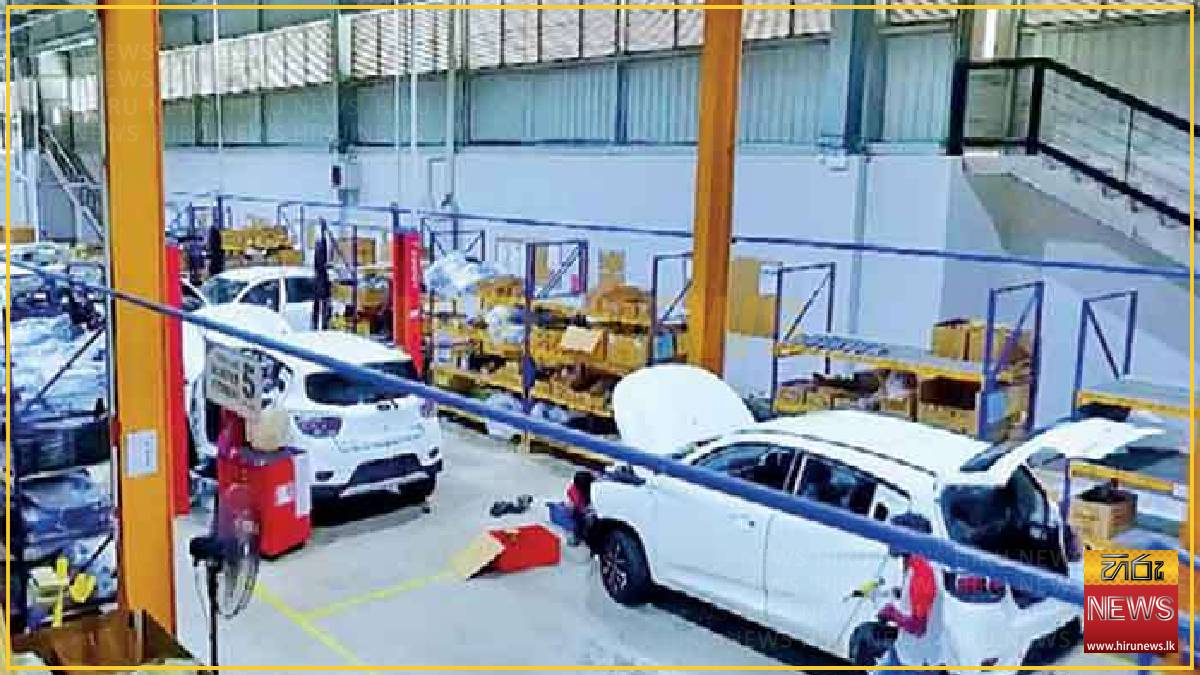
Sri Lanka’s automotive sector is transitioning from its traditional reliance on imported vehicles toward domestic manufacturing.
The government is shifting its policy focus toward local vehicle production to generate industrial jobs, strengthen manufacturing capabilities, and retain economic value within the country.
Over 15 assembly plants currently operate in Sri Lanka under regulations requiring locally assembled vehicles to maintain a minimum of 20 percent domestic value addition, according to the Ceylon Chamber of Commerce Motor Vehicle Industry Report 2025/26.
This trend represents a strategic shift for an industry historically focused on vehicle distribution. Although imports remain essential, the emphasis on local assembly aligns with broader goals to foster domestic production, build a skilled workforce, and encourage supporting industries.
Vehicle demand rebounded following the relaxation of import limits, with over 327,000 new registrations during the first half of 2026. Custom duties on motor vehicle imports reached 896.4 billion rupees, highlighting the sector's contribution to state revenue.
Globally, the automotive sector is experiencing major changes, with electric vehicles representing one out of every four new cars sold worldwide as annual sales exceeded 20 million units.
Artificial intelligence is simultaneously transforming vehicle manufacturing by reducing design and testing schedules by up to 50 percent while improving production efficiency.
The government is shifting its policy focus toward local vehicle production to generate industrial jobs, strengthen manufacturing capabilities, and retain economic value within the country.
Over 15 assembly plants currently operate in Sri Lanka under regulations requiring locally assembled vehicles to maintain a minimum of 20 percent domestic value addition, according to the Ceylon Chamber of Commerce Motor Vehicle Industry Report 2025/26.
This trend represents a strategic shift for an industry historically focused on vehicle distribution. Although imports remain essential, the emphasis on local assembly aligns with broader goals to foster domestic production, build a skilled workforce, and encourage supporting industries.
Vehicle demand rebounded following the relaxation of import limits, with over 327,000 new registrations during the first half of 2026. Custom duties on motor vehicle imports reached 896.4 billion rupees, highlighting the sector's contribution to state revenue.
Globally, the automotive sector is experiencing major changes, with electric vehicles representing one out of every four new cars sold worldwide as annual sales exceeded 20 million units.
Artificial intelligence is simultaneously transforming vehicle manufacturing by reducing design and testing schedules by up to 50 percent while improving production efficiency.
Latest News
Iranian lawmakers draft law to bar "hostile" vessels from Strait of Hormuz
Local
07 August 2026

Iran, Oman routes to remain open temporarily under proposed Hormuz deal, state media says
Local
07 August 2026

A new youth agitation grips an Indian state after 'cockroach' protests
Local
07 August 2026

Cinnamon Box Office launches ‘Destination Event’ calendar
Local
07 August 2026

A spate of Houthi attacks kill and wound dozens in Yemen
Local
07 August 2026

Bill for 22nd Amendment to Constitution gazetted
Local
07 August 2026

Bangladeshi cricket star Shakib says he is ready to return home and face trial if given security
Local
07 August 2026

Japan's food self-sufficiency touches record low level
Local
07 August 2026

Spain plans burials, seeks identities of those killed in Ceuta migrant rush
Local
07 August 2026

Chinese researchers confirm existence of glueball, a new form of matter
Local
07 August 2026