Share Post


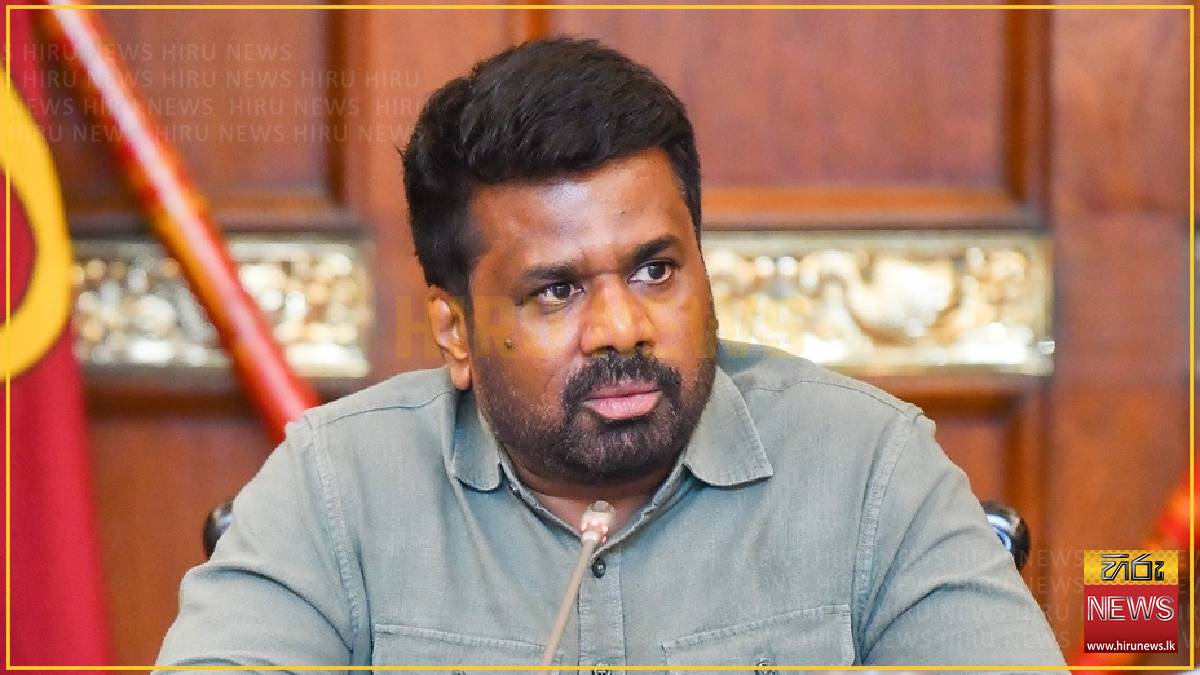
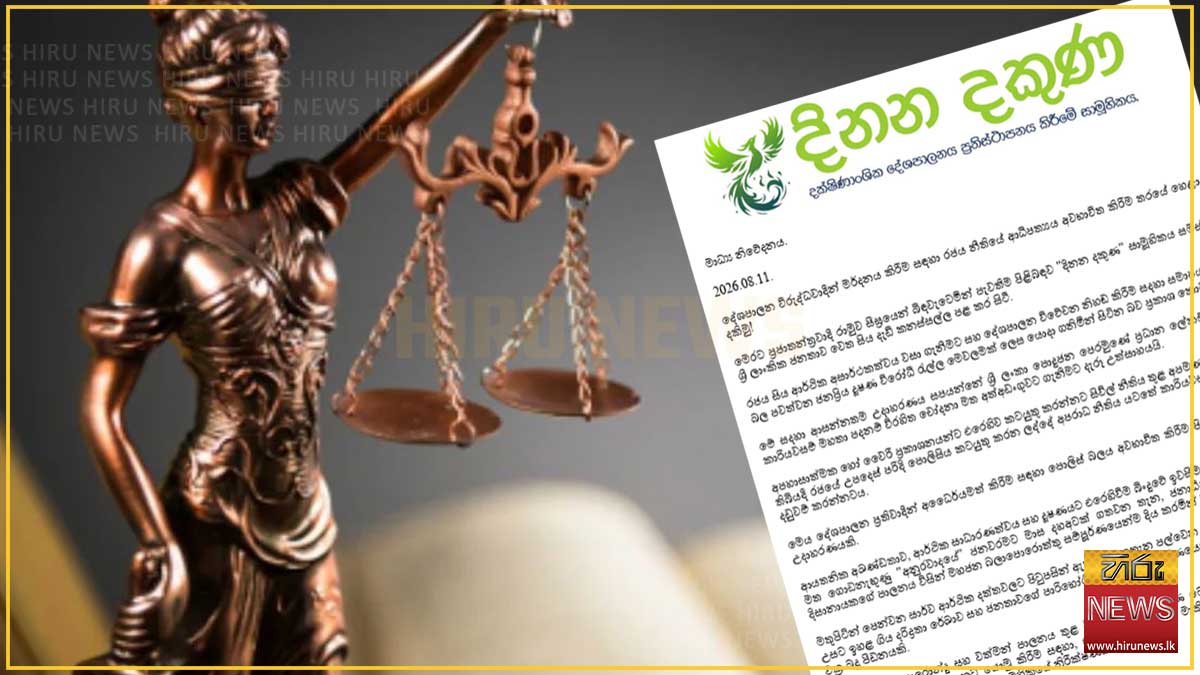
The 'Dinana Dakuna' collective expresses its deep concern to the entire Sri Lankan public regarding the rapid collapse of the democratic framework in the country.
Issuing a statement, the collective notes that the government is utilising the prevailing popular anti-corruption wave within society as a tool to cover up its economic failure and silence political criticism.
They note that the closest example for this is provided by the attempt to arrest the General Secretary of the Sri Lanka Podujana Peramuna, Sagara Kariyawasam, based on groundless allegations, and that the police acted under criminal law to punish him upon government instructions when ample provisions exist within civil law to take action against defamatory or hateful expressions.
The statement notes that this is a clear example of misusing police power to discourage political rivals.
They say that 18 months into the mandate of 'Anuravada,' which was built on promises of institutional integrity, economic justice, and zero tolerance against corruption, the administration of President Anura Kumara Dissanayake is completely dissolving public expectations, and that what lies behind the macro-economic data shown on the surface is a stagnant real income, a skyrocketing poverty line, and an indirect tax burden that completely shatters the consumer strength of the people.
It is observed by the Dinana Dakuna collective that the government initiated a subtle Machiavellian suppression to divert public attention from the failed promises and large-scale tender irregularities occurring under the current administration.
They also note that it is the opinion of the collective that the 22nd Amendment to the Constitution is being brought forward arbitrarily amidst all protests to obtain the judicial cover required for a future repressive course of action.
The statement notes that in the name of selective law enforcement, state institutions such as the Criminal Investigation Department and the Commission to Investigate Allegations of Bribery or Corruption are turned into tools for intimidating political opponents, and while carrying forward such a subtle programme, the President says that the head of the CID and the head of the Bribery Commission who take correct decisions turned into enemies of the opposition.
However, they state that the clear and bitter truth is the failure of those individuals to confirm through their operations that the law is fair.
They note that another instance confirming their observation is the attempt being made to file lawsuits under legal provisions for contempt of court, targeting prominent opposition political leaders and activists, and the collective considers that act as a serious illegal act carried out to ban the expression of political views legally.
The collective sees this effort of the government as giving a temporary imprisonment to individuals by remanding them, while highlighting the necessity to arrest and conduct investigations.
Accordingly, the statement further notes that arresting opposition activists and continuously keeping them in remand custody through courts or attempting to obtain detention orders under the Prevention of Terrorism Act turned into the normal procedure in the country at present.
The Dinana Dakuna collective warns that this attempt to completely destroy the opposition using the anti-corruption popularity as a pretext is a preliminary step towards pushing the century-old democracy of Sri Lanka into an authoritarian police state.
The collective notes that when a regime loses popularity, it turns towards suppression for survival, and the ultimate result of the public remaining silent while the government targets and suppresses its opponents one by one is the destruction of entire democracy itself.
The Dinana Dakuna collective further requests the entire society, journalists, and the public to stand up against this authoritarian journey of the government, to come forward to protect the democratic rights preserved for a century, and to remain vigilant regarding the political trap being set by the government, noting that this behavior of the government is not the true desire of the government swearing to put an end to corruption or to enforce the law strictly.
Issuing a statement, the collective notes that the government is utilising the prevailing popular anti-corruption wave within society as a tool to cover up its economic failure and silence political criticism.
They note that the closest example for this is provided by the attempt to arrest the General Secretary of the Sri Lanka Podujana Peramuna, Sagara Kariyawasam, based on groundless allegations, and that the police acted under criminal law to punish him upon government instructions when ample provisions exist within civil law to take action against defamatory or hateful expressions.
The statement notes that this is a clear example of misusing police power to discourage political rivals.
They say that 18 months into the mandate of 'Anuravada,' which was built on promises of institutional integrity, economic justice, and zero tolerance against corruption, the administration of President Anura Kumara Dissanayake is completely dissolving public expectations, and that what lies behind the macro-economic data shown on the surface is a stagnant real income, a skyrocketing poverty line, and an indirect tax burden that completely shatters the consumer strength of the people.
It is observed by the Dinana Dakuna collective that the government initiated a subtle Machiavellian suppression to divert public attention from the failed promises and large-scale tender irregularities occurring under the current administration.
They also note that it is the opinion of the collective that the 22nd Amendment to the Constitution is being brought forward arbitrarily amidst all protests to obtain the judicial cover required for a future repressive course of action.
The statement notes that in the name of selective law enforcement, state institutions such as the Criminal Investigation Department and the Commission to Investigate Allegations of Bribery or Corruption are turned into tools for intimidating political opponents, and while carrying forward such a subtle programme, the President says that the head of the CID and the head of the Bribery Commission who take correct decisions turned into enemies of the opposition.
However, they state that the clear and bitter truth is the failure of those individuals to confirm through their operations that the law is fair.
They note that another instance confirming their observation is the attempt being made to file lawsuits under legal provisions for contempt of court, targeting prominent opposition political leaders and activists, and the collective considers that act as a serious illegal act carried out to ban the expression of political views legally.
The collective sees this effort of the government as giving a temporary imprisonment to individuals by remanding them, while highlighting the necessity to arrest and conduct investigations.
Accordingly, the statement further notes that arresting opposition activists and continuously keeping them in remand custody through courts or attempting to obtain detention orders under the Prevention of Terrorism Act turned into the normal procedure in the country at present.
The Dinana Dakuna collective warns that this attempt to completely destroy the opposition using the anti-corruption popularity as a pretext is a preliminary step towards pushing the century-old democracy of Sri Lanka into an authoritarian police state.
The collective notes that when a regime loses popularity, it turns towards suppression for survival, and the ultimate result of the public remaining silent while the government targets and suppresses its opponents one by one is the destruction of entire democracy itself.
The Dinana Dakuna collective further requests the entire society, journalists, and the public to stand up against this authoritarian journey of the government, to come forward to protect the democratic rights preserved for a century, and to remain vigilant regarding the political trap being set by the government, noting that this behavior of the government is not the true desire of the government swearing to put an end to corruption or to enforce the law strictly.
Latest News
North Korea missile launch precedes U.S.-South Korea drills
Local
12 August 2026

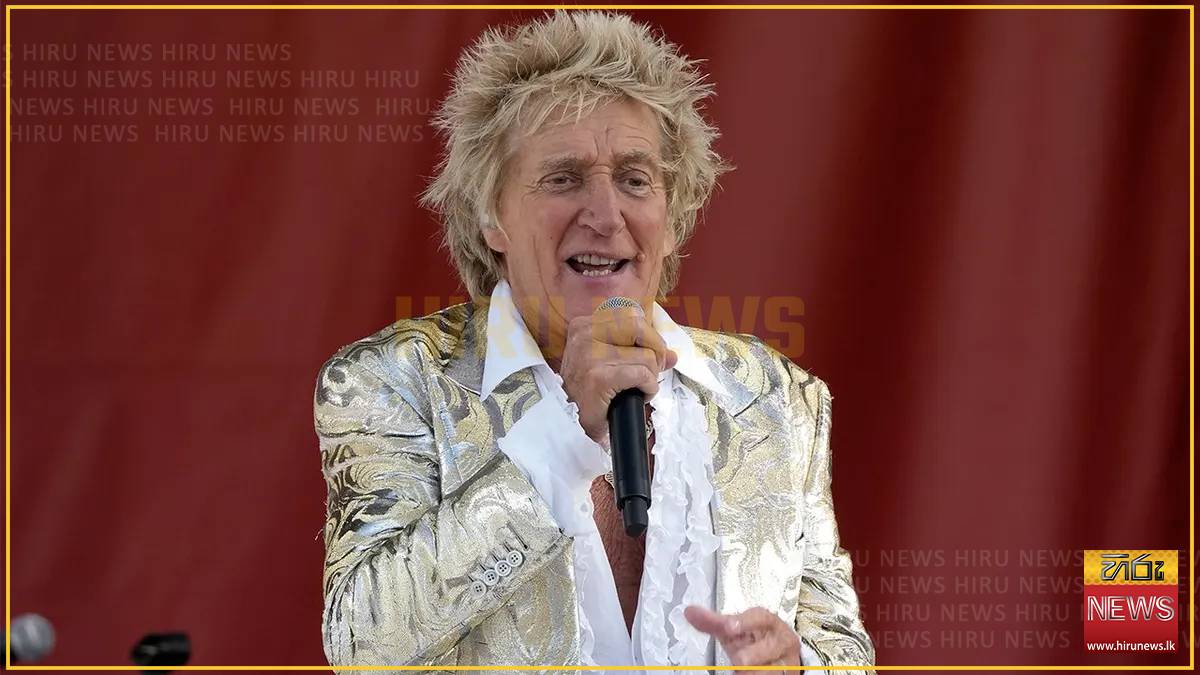
Rod Stewart cancels tour dates after heart procedure
Local
12 August 2026
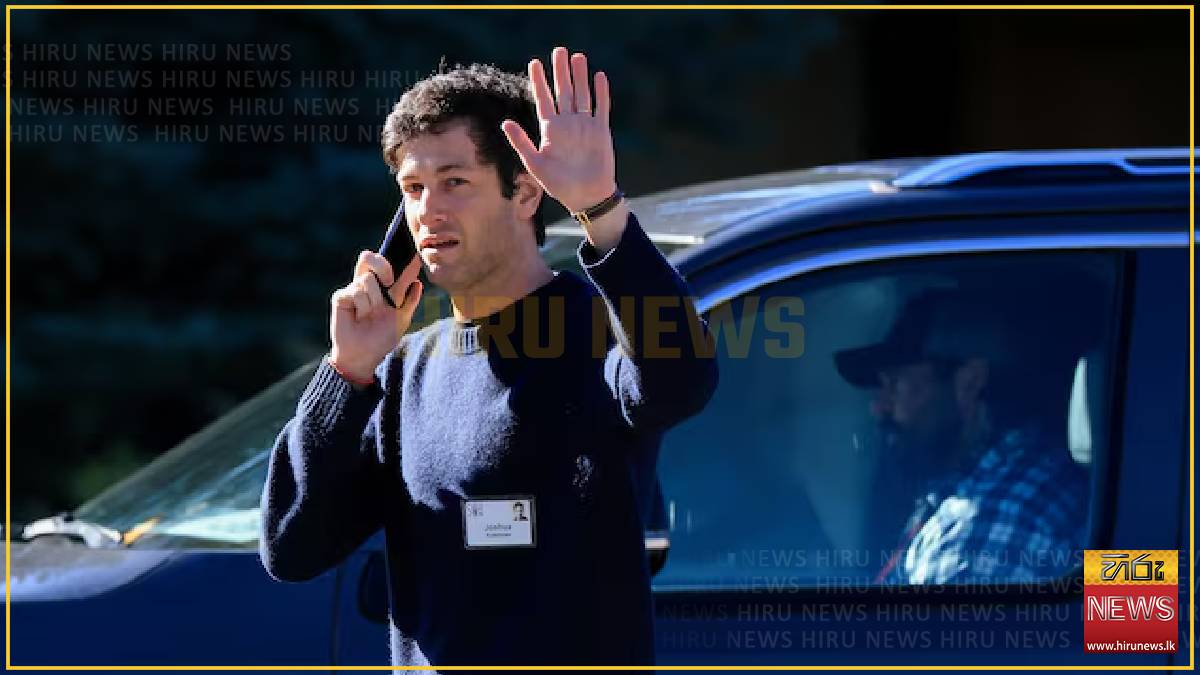
Iger, Kushner purchasing Lakers for $12 billion, ESPN reports
Local
12 August 2026
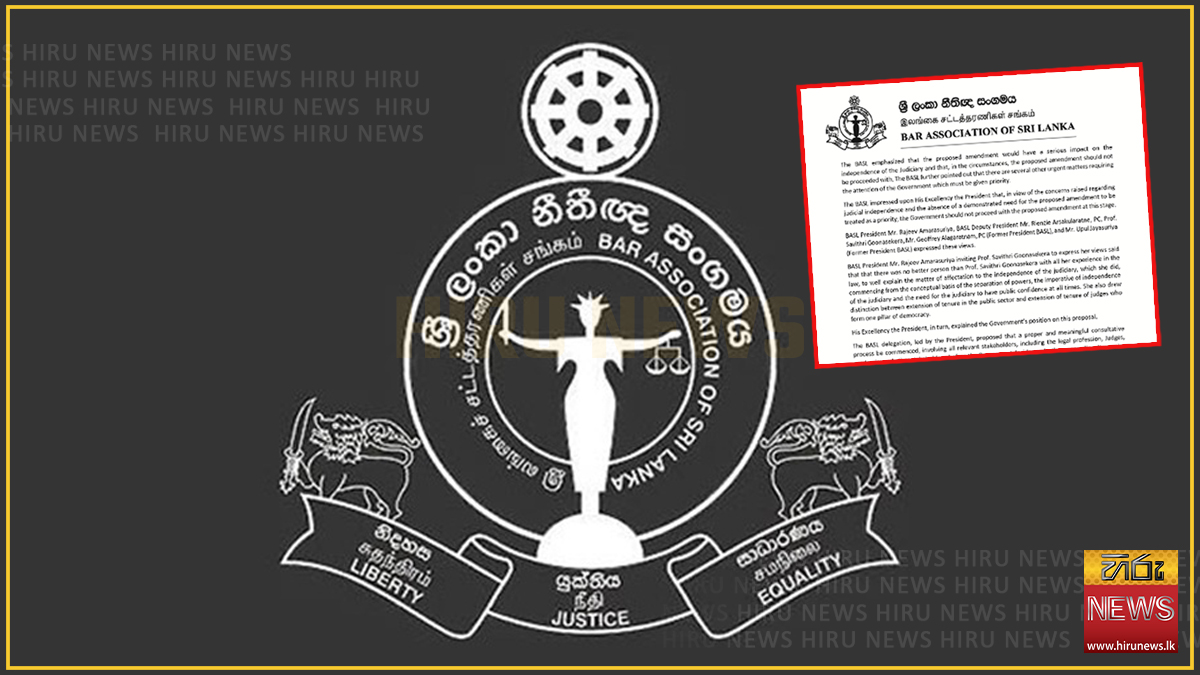
Amendment to judges’ retirement age poses serious impact on judicial independence
Local
12 August 2026
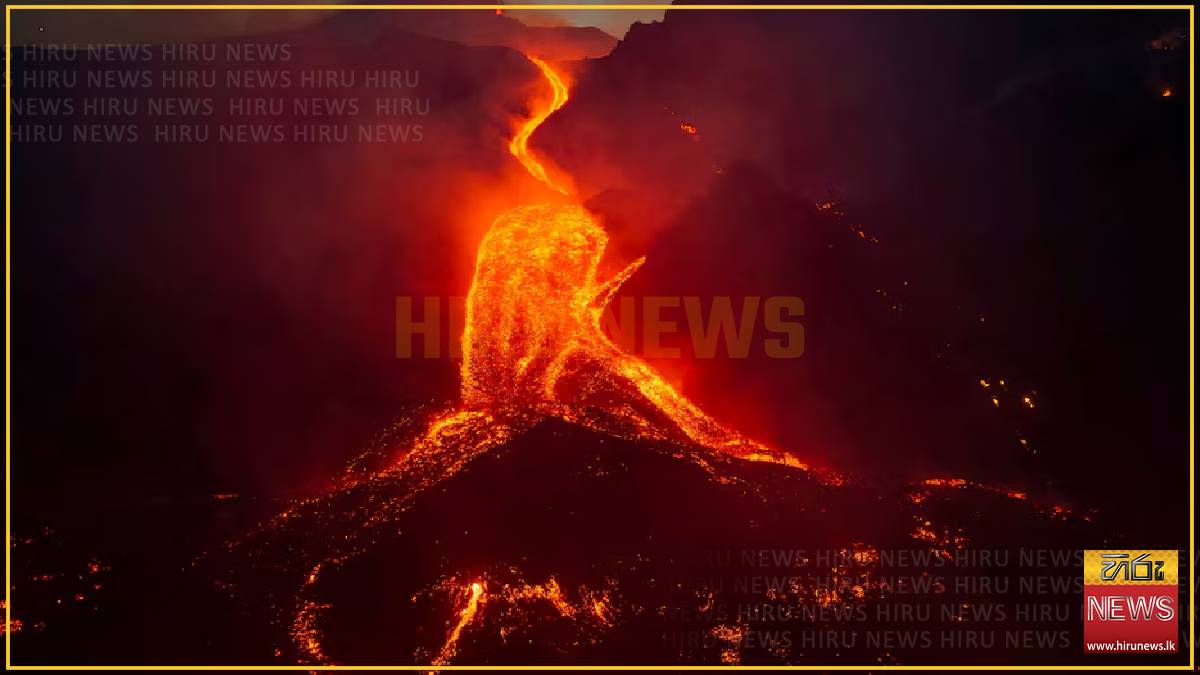
Etna ash disrupts flights at Catania airport
Local
12 August 2026
EU, 26 countries condemn Iran's executions of protestors
Local
12 August 2026

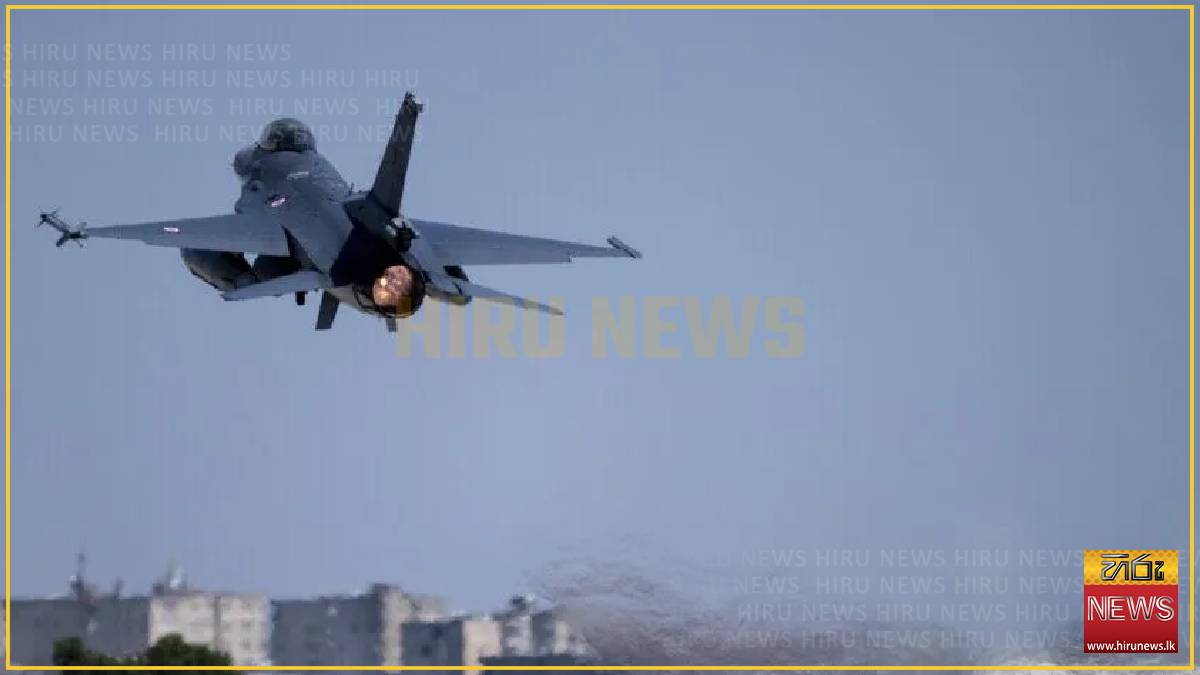
F-16 crashes during training flight in Türkiye
Local
12 August 2026
India and five African countries sign terms of reference to launch trade talks
Local
12 August 2026

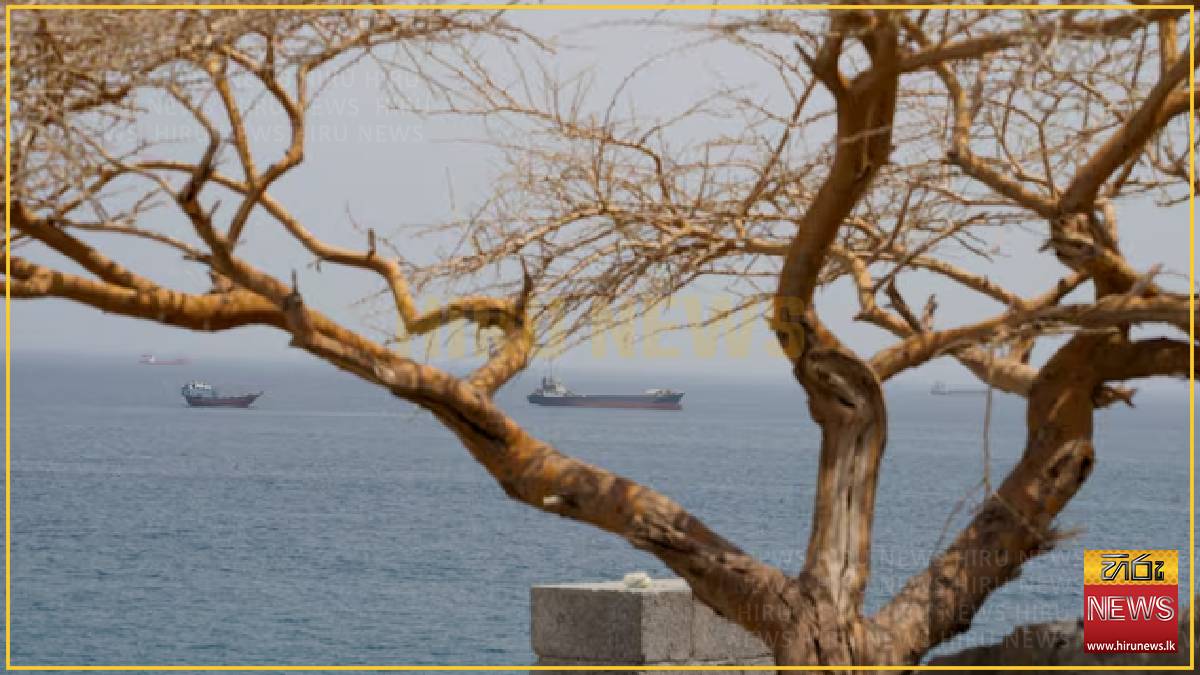
Only 14 vessels crossed Hormuz on Tuesday, maritime intelligence firm says
Local
12 August 2026
Government says judges’ retirement age change is not personal, BASL stresses wider consultation
Local
12 August 2026