



Share Post


Wang Xingxing should have plenty to smile about. After all, Unitree, the humanoid robot maker he founded, is currently China's hottest company: its shares rocketed 460% on their Shanghai debut last week.
That catapulted the 36-year-old into the ranks of Alibaba's Jack Ma and other tech billionaires.
So when pictures of Unitree's IPO ceremony featuring a dour-looking Wang went viral, the collective internet had to ask: why is Wang not smiling?
On first glance, China's humanoid robot industry is having its moment.
Whereas Elon Musk's Tesla has yet to sell a single droid, Unitree and rivals like Agibot are on track to commercially ship 100,000 units this year, according to government estimates.
That's largely thanks to the country's manufacturing and supply chain prowess, plus generous government support, that have set robots onto a similar trajectory as China's electric-vehicle sector.
Yet since Unitree's stock reached its apex on its spectacular debut, it has plummeted nearly 30%, erasing roughly $14 billion in market value.
Even so, at its current $36 billion market worth, the company still trades on an eye-watering 400-plus times its annualised forecast first-half earnings, keeping concerns there's a bubble afloat.
One source of unease is technology: China's robots still lack the intelligence, reliability or dexterity to complete simple human tasks.
This week's high-profile World Humanoid Robot Games held in Beijing, dubbed the Robot Olympics, revealed many shortcomings.
The Tiangon Ultra winning droid, for example, shattered Usain Bolt's 100-metre-sprint human record only to plough into a barrier because it lacked real-world braking abilities; some bots caught on fire while almost all had to be stretchered off, according, opens new tab to the AP.
That's hardly a sign of confidence that they can be deployed into real-world settings.
Unitree admits that so far there are limited commercial applications for its products. Wang himself has warned that a breakthrough may not come for a decade.
Until then, demand today is largely propped up by government purchases and subsidies, according to a Reuters analysis.
But already, price wars are intensifying: Unitree cited high research and development costs and rising competition for a 53% year-on-year plunge in first-quarter adjusted net profit.
Against this backdrop, despite his paper wealth, Wang has little to smile about.
-Reuters
That catapulted the 36-year-old into the ranks of Alibaba's Jack Ma and other tech billionaires.
So when pictures of Unitree's IPO ceremony featuring a dour-looking Wang went viral, the collective internet had to ask: why is Wang not smiling?
On first glance, China's humanoid robot industry is having its moment.
Whereas Elon Musk's Tesla has yet to sell a single droid, Unitree and rivals like Agibot are on track to commercially ship 100,000 units this year, according to government estimates.
That's largely thanks to the country's manufacturing and supply chain prowess, plus generous government support, that have set robots onto a similar trajectory as China's electric-vehicle sector.
Yet since Unitree's stock reached its apex on its spectacular debut, it has plummeted nearly 30%, erasing roughly $14 billion in market value.
Even so, at its current $36 billion market worth, the company still trades on an eye-watering 400-plus times its annualised forecast first-half earnings, keeping concerns there's a bubble afloat.
One source of unease is technology: China's robots still lack the intelligence, reliability or dexterity to complete simple human tasks.
This week's high-profile World Humanoid Robot Games held in Beijing, dubbed the Robot Olympics, revealed many shortcomings.
The Tiangon Ultra winning droid, for example, shattered Usain Bolt's 100-metre-sprint human record only to plough into a barrier because it lacked real-world braking abilities; some bots caught on fire while almost all had to be stretchered off, according, opens new tab to the AP.
That's hardly a sign of confidence that they can be deployed into real-world settings.
Unitree admits that so far there are limited commercial applications for its products. Wang himself has warned that a breakthrough may not come for a decade.
Until then, demand today is largely propped up by government purchases and subsidies, according to a Reuters analysis.
But already, price wars are intensifying: Unitree cited high research and development costs and rising competition for a 53% year-on-year plunge in first-quarter adjusted net profit.
Against this backdrop, despite his paper wealth, Wang has little to smile about.
-Reuters
Latest News
Police launch email hotline to report obscene social media content
Local
28 August 2026
Nepal on alert as two lakes pose continued flood threat
Local
28 August 2026

New machinery boosts operational capacity at Lanka Phosphate
Local
28 August 2026
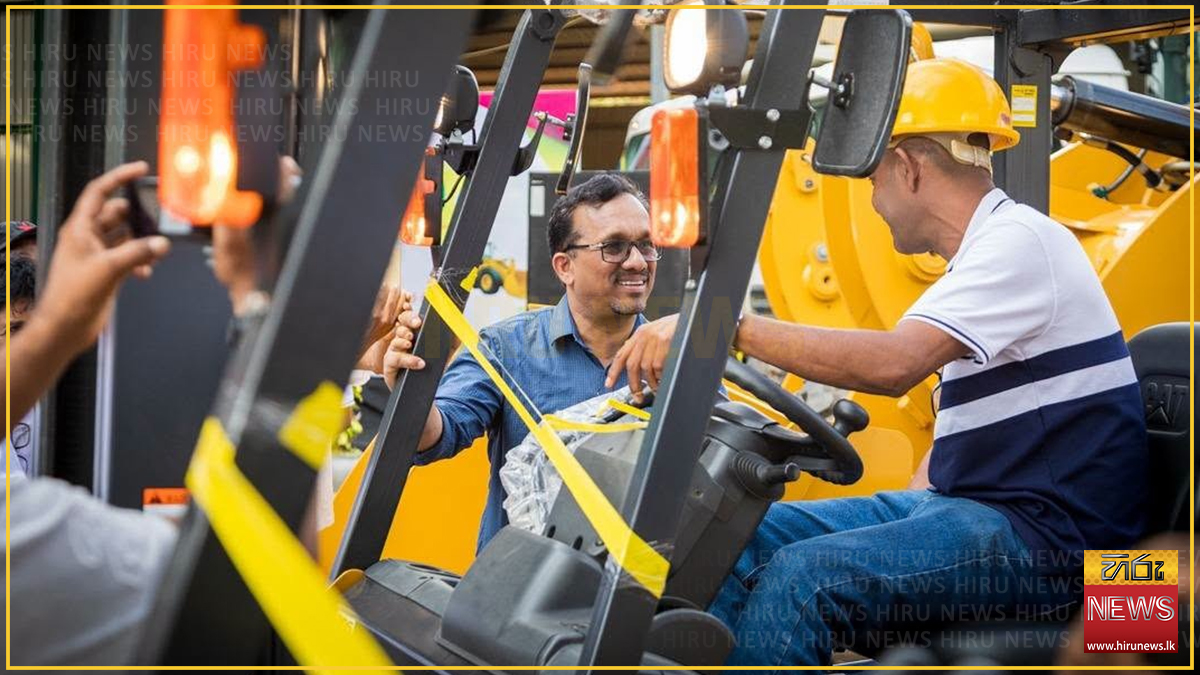
Coca-Cola-backed hydro-powered recycling centre sets new benchmark in SL
Local
28 August 2026
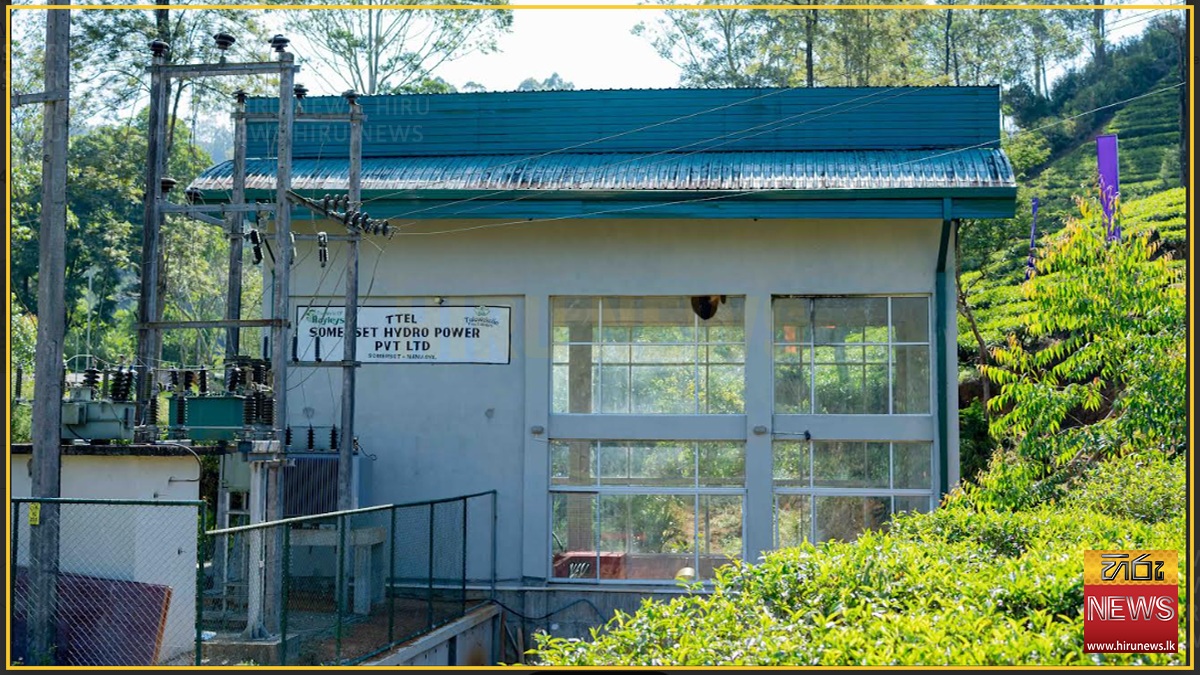
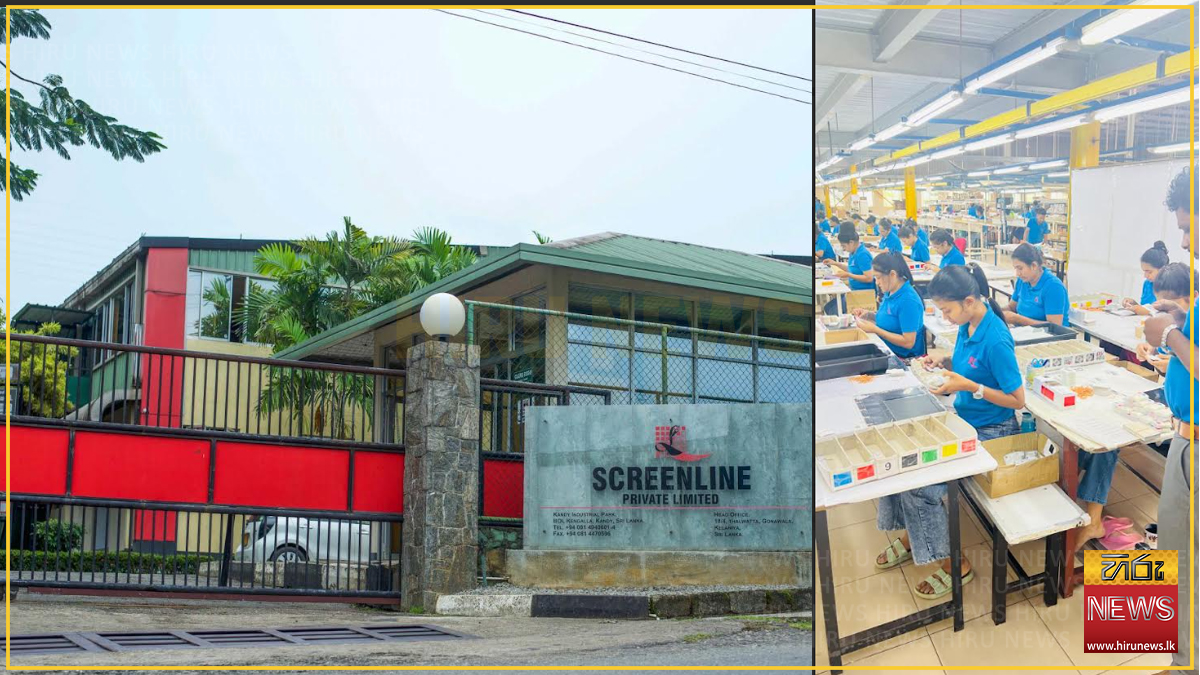
Screenline secures ISO certification for Kandy manufacturing facility
Local
28 August 2026
CSE gains marginally after two-day holiday
Local
28 August 2026

Notices issued to 20 prison officers over Negombo prison clash
Local
28 August 2026

Uganda’s King Oyo Nyimba dies aged 34
Local
28 August 2026

Youth granted bail in obscene content case
Local
28 August 2026

Cheese name dispute stalls US-Mexico trade talks
Local
28 August 2026