



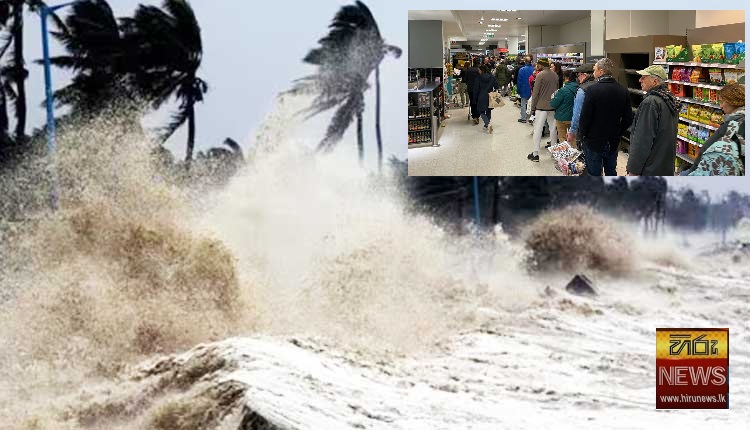


Sri Lanka’s disaster situation is expected to delay the country’s ongoing recovery and may require revisions to growth and fiscal forecasts, though a clearer picture will only emerge once damage assessments and reconstruction plans are finalised.
In the near term, focus remains on emergency relief and restoring essential infrastructure, while medium-term policy priorities will shift toward rebuilding, targeted social support, and enhancing climate-resilient infrastructure to reduce the economic and human cost of future shocks.
CT Smith Stock Brokers, in their Economic Update released today, noted that immediate effects are likely to include disruptions to consumer demand, higher inflation, and potential short-term pressure on the exchange rate. “Interest rates may also rise marginally due to additional funding required for flood-related rehabilitation,” the report added.
Cyclone Ditwah presents a mixed outlook for Sri Lanka’s construction sector, with significant short-term disruption offset by substantial medium-term reconstruction opportunities.
The tourism sector is expected to face a negative impact, as the peak winter season (November–January) may be disrupted. “The state of emergency declaration is likely to deter prospective tourists, impacting bookings and causing cancellations during what should be the highest revenue period.
Hill country destinations such as Kandy and Nuwara Eliya—key tourist hubs—are flooded, over 15 international flights have been diverted, and impassable roads are cutting off tourist routes,” the report noted.
“However, the main catchment areas for the peak tourism season in the South and Southwest remain largely unaffected. Hotels such as KHL’s and AHUN’s Maldives operations were also not impacted, contributing positively to overall performance,” it added.
The report also highlighted supply chain disruptions, with impassable roads preventing FMCG distribution, while the plantation sector faces challenges due to heavy rainfall and landslides in hill areas.
Banks may face higher default risk among affected farmers, SMEs, and households, adding short-term pressure to loan books. “Asset quality may soften as disaster-hit borrowers seek restructurings or face repayment delays. Some deposit withdrawals are likely as customers tap savings for immediate expenses,” the report said.
On the positive side, banks are expected to benefit from reconstruction lending opportunities in the coming months.
Latest News
Trump on Iran: US will probably hit them again tonight

UN reminds state of duty to protect inmates

Negombo Prison tragedy is not an isolated incident - Bar Association

Final rites for Welikada prison Chief Jailor tomorrow

99% of people on Earth will get sunlight at the same time this Wednesday

Kandy Esala procession to commence on August 13

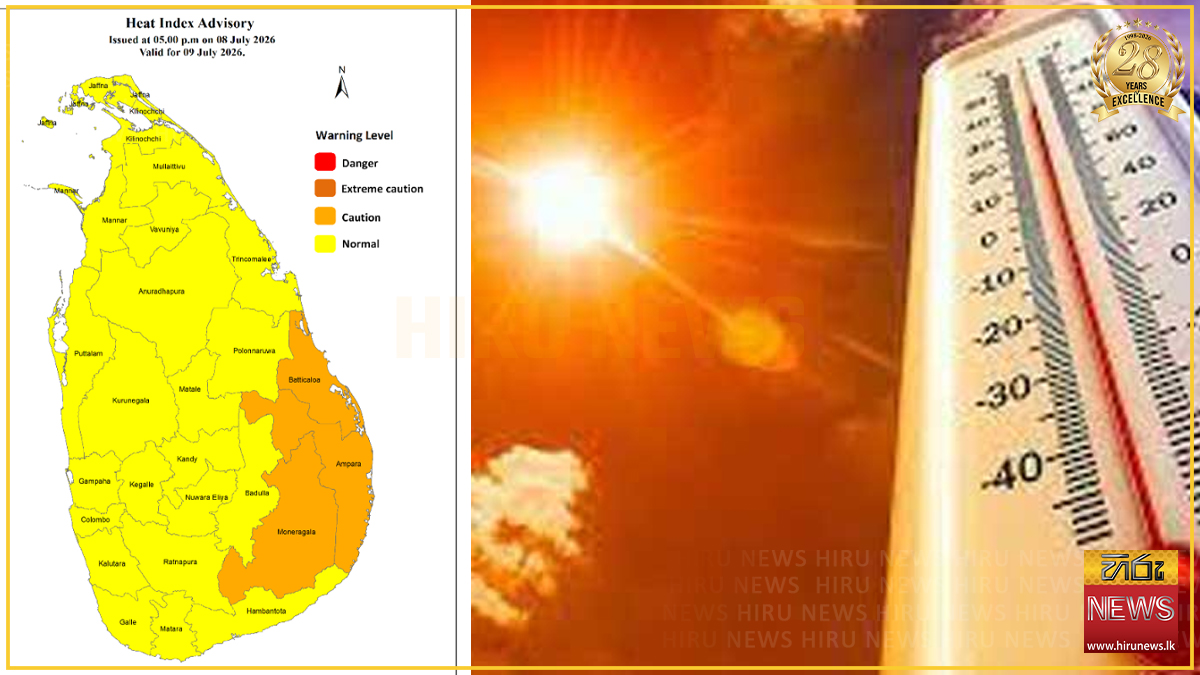
Heat Index to reach advisory levels tomorrow
2027 budget to address long-standing drinking water issues

Bail granted to Land Registrar accused of aiding organised crime

Sajith accuses government of betraying farmers after polls