



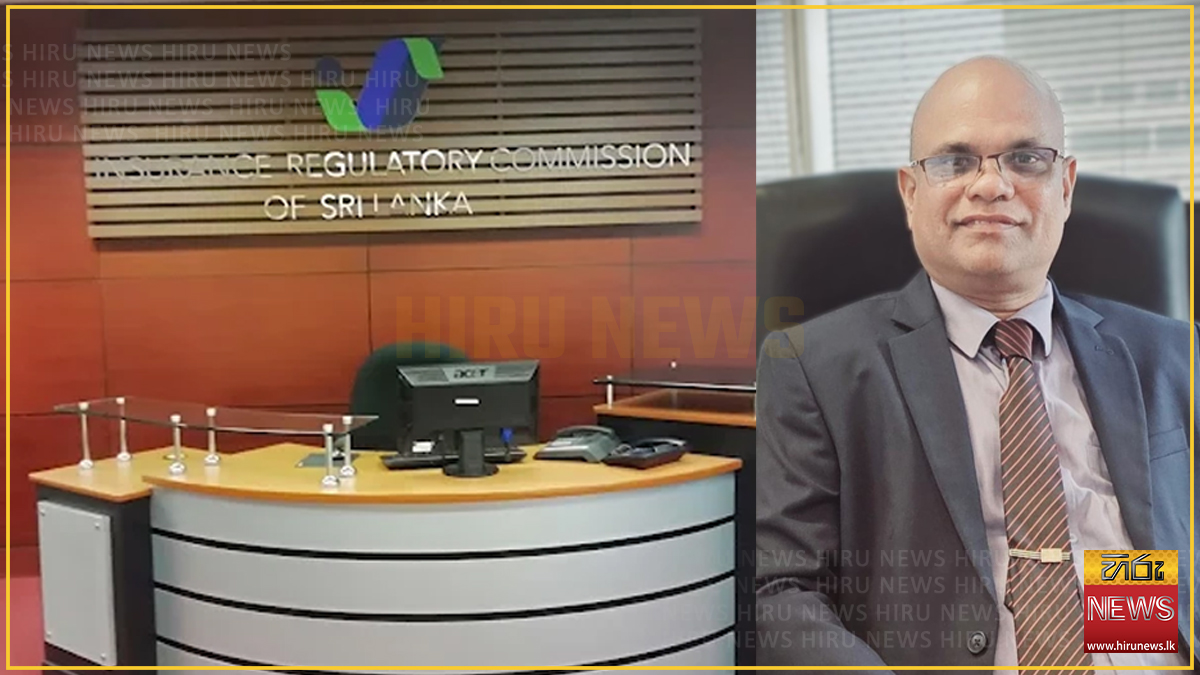


The IRCSL and industry stakeholders have unveiled the “Vision 2035” roadmap to address Sri Lanka’s insurance protection gap.
For Sri Lanka, the catastrophic passage of Cyclone Ditwah in November 2025 was a sobering reminder. While the country's immediate response appropriately concentrated on providing humanitarian aid and reinstating vital services, the deeper economic and financial ramifications exposed a much more concerning reality: a significant insurance protection gap that jeopardizes not only household security but also the stability and fiscal sustainability of the national economy.
Cyclone Ditwah was a “silent crisis” rather than just a natural calamity. Large portions of the population, productive industries, and public infrastructure remain critically underinsured despite decades of economic advancement. In the event of a shock, households, businesses, and eventually the State are forced to absorb losses due to the lack of sufficient risk transfer mechanisms.
“Addressing this gap has transcended regulatory monitoring to become a national priority in an era characterized by increased global volatility and growing climate concerns,” said Dr. Ajith Raveendra De Mel, Chairman, Insurance Regulatory Commission of Sri Lanka (IRCSL).
One of the most destructive storms in recent history, Cyclone Ditwah affected all 25 districts, with an estimated economic impact of US$ 4.1 billion, nearly 4% of Sri Lanka’s GDP in 2024. Agriculture, housing, and infrastructure were among the most affected sectors.
Insurance claims totaled about Rs. 58.5 billion. However, only about 6% of total losses were covered, while over 94% remained uninsured against total physical damage estimated at nearly Rs. 986.46 billion. This disparity highlights structural weaknesses in risk transfer and limited preparedness at all levels. The lack of coverage compels the Government to act as the “insurer of last resort,” diverting public funds from critical sectors such as healthcare and education.
In response, the IRCSL is developing a medium- to long-term roadmap (2026–2035) in collaboration with industry stakeholders including the Insurance Association of Sri Lanka (IASL), Sri Lanka Insurance Brokers Association (SLIBA), Actuarial Association, and Sri Lanka Insurance Institute (SLII). The vision is centered on: “Insure Every Sri Lankan, Empower Every Household, and Finance National Growth.”
The “Vision 2035” roadmap is built on seven strategic pillars aimed at creating a resilient, inclusive, and sustainable insurance sector. These include expanding affordable life, health, and property insurance, strengthening digital access, improving regulatory clarity, enhancing capital and investment frameworks, and building consumer trust through better data systems and professional standards. The strategy also emphasizes talent development, financial literacy, and strong governance to ensure effective implementation.
Increasing insurance penetration is also seen as a driver of employment. The sector currently supports over 49,000 agents and directly employs more than 20,000 Sri Lankans, with plans to expand the workforce by 25%.
“By 2035, we aim to double insurance penetration from around 1% to 2% of GDP and build a Rs. 1 trillion premium pool,” officials said.
The lessons from Cyclone Ditwah are clear: resilience must be built in advance, not after a crisis.
Latest News
Police launch email hotline to report obscene social media content

Nepal on alert as two lakes pose continued flood threat

New machinery boosts operational capacity at Lanka Phosphate

Coca-Cola-backed hydro-powered recycling centre sets new benchmark in SL
Screenline secures ISO certification for Kandy manufacturing facility

CSE gains marginally after two-day holiday

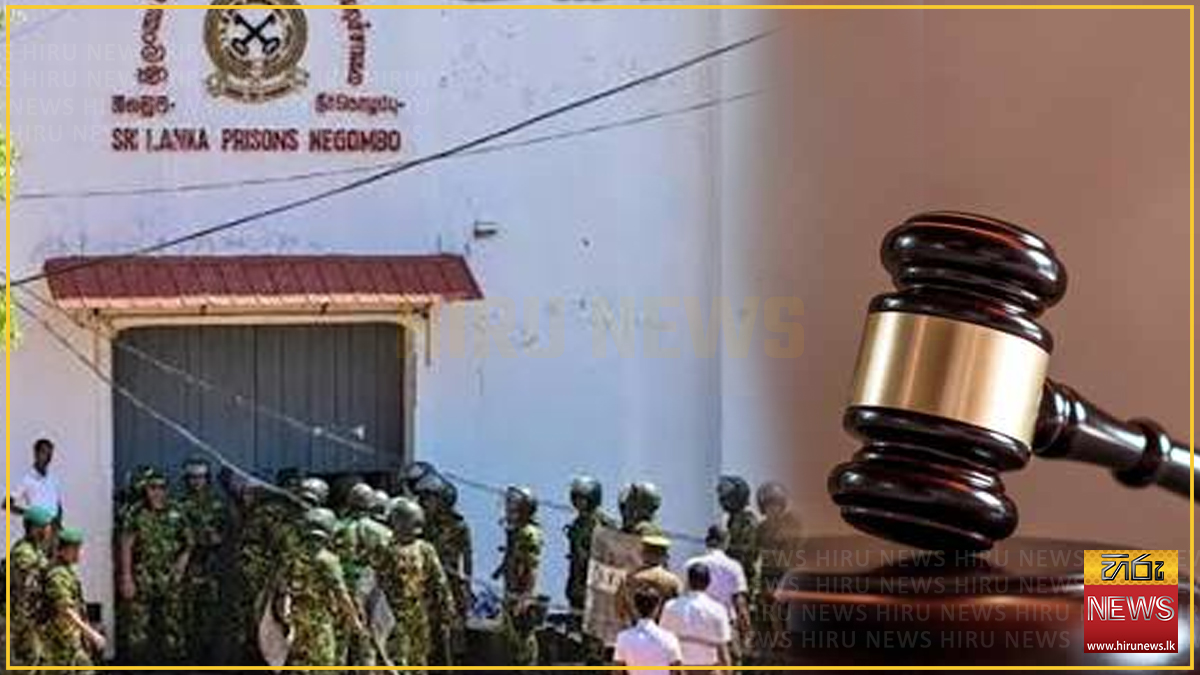
Notices issued to 20 prison officers over Negombo prison clash
Uganda’s King Oyo Nyimba dies aged 34

Youth granted bail in obscene content case

Cheese name dispute stalls US-Mexico trade talks