



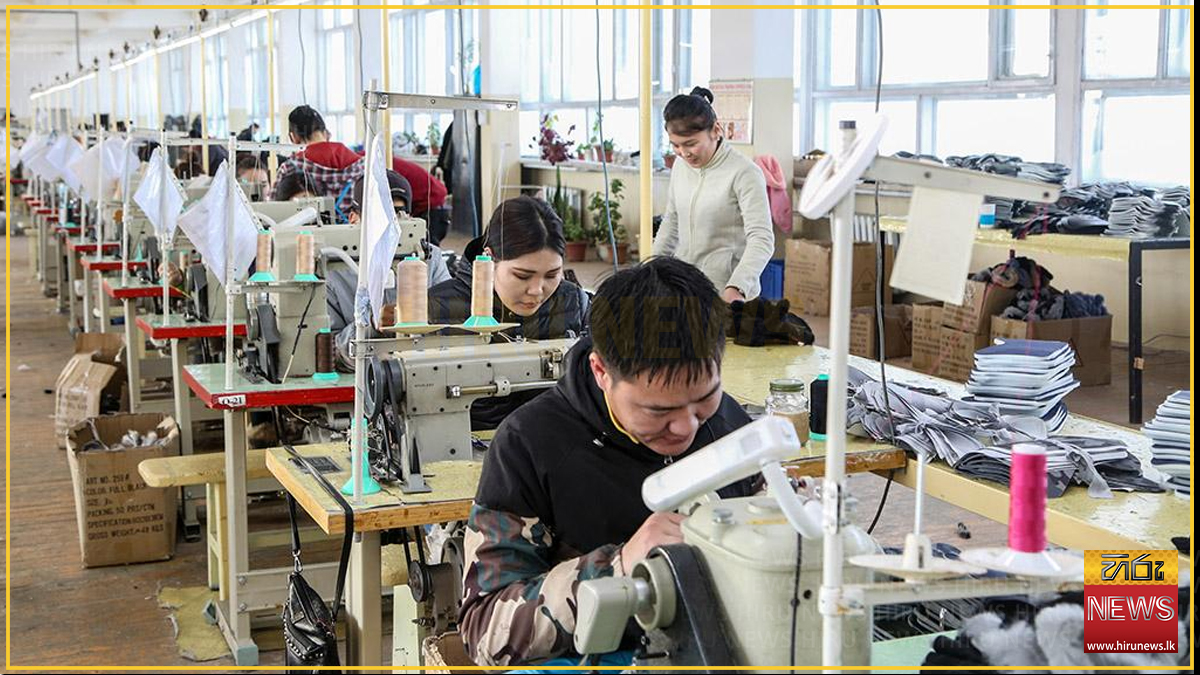


Greater specialization in the stages of global production has helped Asia and the Pacific achieve economic growth, create jobs, and reduce poverty over the past quarter century, according to the Asian Development Bank’s (ADB) Asian Development Policy Report 2026 launched at ADB’s 59th Annual Meeting.
The report—titled Global Value Chains and Inclusive Development—finds that the region accounts for a third of global value chain trade, with its developing economies doubling their share from 9% to 18% from 2000 to 2023.
Some economies—particularly in East and Southeast Asia—have become deeply embedded in regional and global production networks, occupying central positions that allow them to capture significant value addition. Others, including many smaller, lower-income, or geographically remote economies, have participated less and remain largely excluded from these networks.
“Greater geoeconomic fragmentation reduces the opportunities for firms to benefit from global value chains, which risks stifling industrialization and growth in economies stuck in low-value roles,” said ADB Chief Economist Albert Park. “To bridge the gap, support for less-developed economies is crucial to help them take advantage of emerging technologies, and to strengthen infrastructure, logistics, and the business environment to enhance productivity and competitiveness.”
While the ability to specialize in narrow segments of the production process has enabled rapid integration into global markets, the benefits of global value chains remain uneven, mainly benefiting large productive firms. Meanwhile small and medium-sized enterprises face barriers due to high compliance costs and limited capabilities.
Geopolitical tensions, supply chain disruptions, and rapid technological changes are reshaping how economies participate in global value chains.
Latest News
Ugandan lawmakers pass sovereignty law
Canary Islands rejects hantavirus-hit cruise docking there

Syrian forces detain Uzbek fighters in security sweep

Congress extends conditional support to TVK

French vessel hit in Hormuz

Sri Lanka joins South Asian rollout of privacy-led ZKTOR platform

Eastern Poland forest fire kills pilot, scorches over 200 hectares

Spain asks European Commission to block US sanctions on ICC

MP Karunanayake questions regulatory oversight over NDB bank fraud

IIHS, Akutagawa launch pathway for SL youth to build healthcare careers in Japan