



Share Post


Parliament's Committee on Public Finance requested a review of the cost structure for Sri Lanka's liquor security sticker system, questioning why digital codes incur the same charges as physical stickers despite lower production costs.
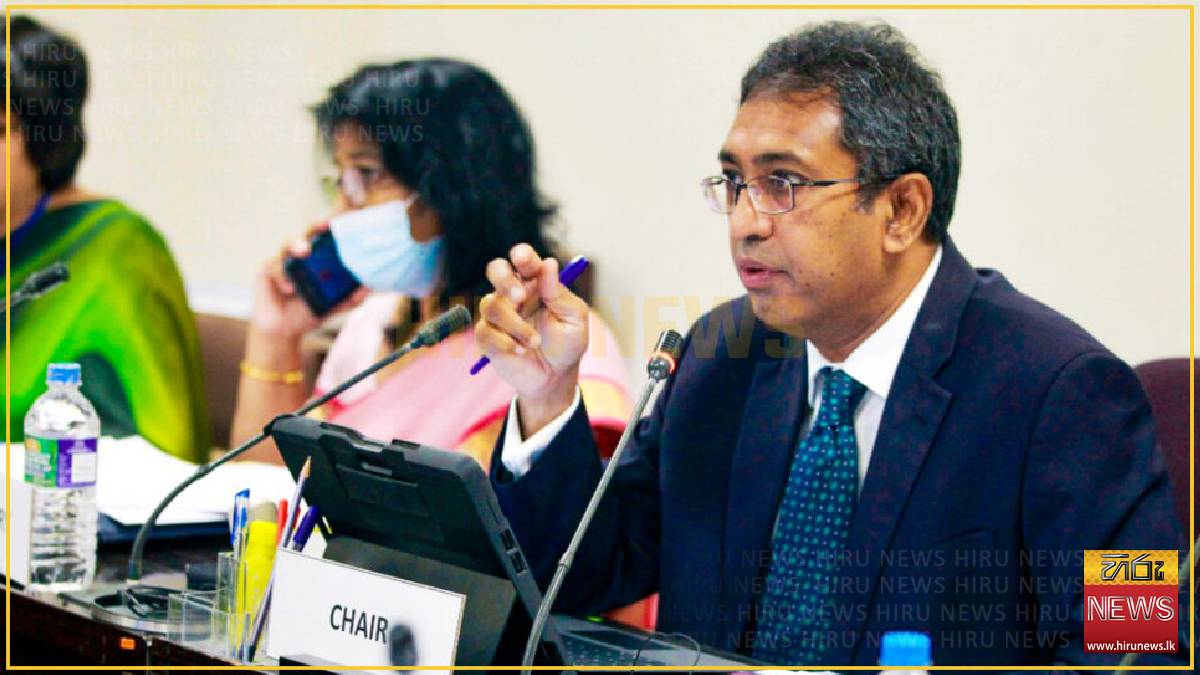
Led by Member of Parliament Dr. Harsha de Silva, the committee evaluated the fiscal benefits, technical standards, and expenses of the tracking system established after the 2016 budget to combat counterfeit alcohol and protect excise revenues.
Madras Security Printers, an Indian firm, secured the contract in 2017, and operations expanded in 2021 to include digital inkjet codes for high-speed production lines where physical stickers proved difficult to apply.
Committee members pointed out that although bottling plants required initial infrastructure investments for digital printers, digital codes typically involve fewer materials and lower expenses than paper labels, prompting demands to reassess current pricing and state economic benefits.
Furthermore, officials received instructions to adopt international ISO standards alongside a comprehensive track-and-trace mechanism spanning production to final consumption, supplemented by a mobile verification application for consumers.
As authorities contemplate a fresh tender process, the committee emphasised that evaluations must prioritise quality, pricing, security, and technical expertise among reviewing officers to prevent counterfeit imitations.
The Excise Department must examine global practices and present a formal report back to the committee.
Led by Member of Parliament Dr. Harsha de Silva, the committee evaluated the fiscal benefits, technical standards, and expenses of the tracking system established after the 2016 budget to combat counterfeit alcohol and protect excise revenues.
Madras Security Printers, an Indian firm, secured the contract in 2017, and operations expanded in 2021 to include digital inkjet codes for high-speed production lines where physical stickers proved difficult to apply.
Committee members pointed out that although bottling plants required initial infrastructure investments for digital printers, digital codes typically involve fewer materials and lower expenses than paper labels, prompting demands to reassess current pricing and state economic benefits.
Furthermore, officials received instructions to adopt international ISO standards alongside a comprehensive track-and-trace mechanism spanning production to final consumption, supplemented by a mobile verification application for consumers.
As authorities contemplate a fresh tender process, the committee emphasised that evaluations must prioritise quality, pricing, security, and technical expertise among reviewing officers to prevent counterfeit imitations.
The Excise Department must examine global practices and present a formal report back to the committee.
Latest News
Belgian car salesman becomes prince after DNA test proves royal parentage
Local
31 August 2026

Former Minister MP Ravi Karunanayake arrested by the Bribery Commission
Local
31 August 2026

NASA launches powerful Roman Space Telescope, a spy satellite turned to the stars
Local
31 August 2026

Missile attack on Russia's Belgorod kills two, authorities say; hits Ozon facilities
Local
31 August 2026
Coral bleaching occurring too frequently for reefs to recover, scientists say
Local
31 August 2026

G20 countries should consider more trade barriers on China to cut imbalances, Bessent says
Local
31 August 2026

Tom Holland becomes third highest-grossing actor of all time
Local
31 August 2026

Ukraine's former defence chief seeks US investment for defence tech fund, FT reports
Local
31 August 2026

Novak Djokovic suffers historic US Open first-round defeat
Local
31 August 2026

Dayasiri seeks Speaker’s explanation over allegations against Chief Justice
Local
31 August 2026