Share Post


Parliament's Committee on Public Finance requested a review of the cost structure for Sri Lanka's liquor security sticker system, questioning why digital codes incur the same charges as physical stickers despite lower production costs.
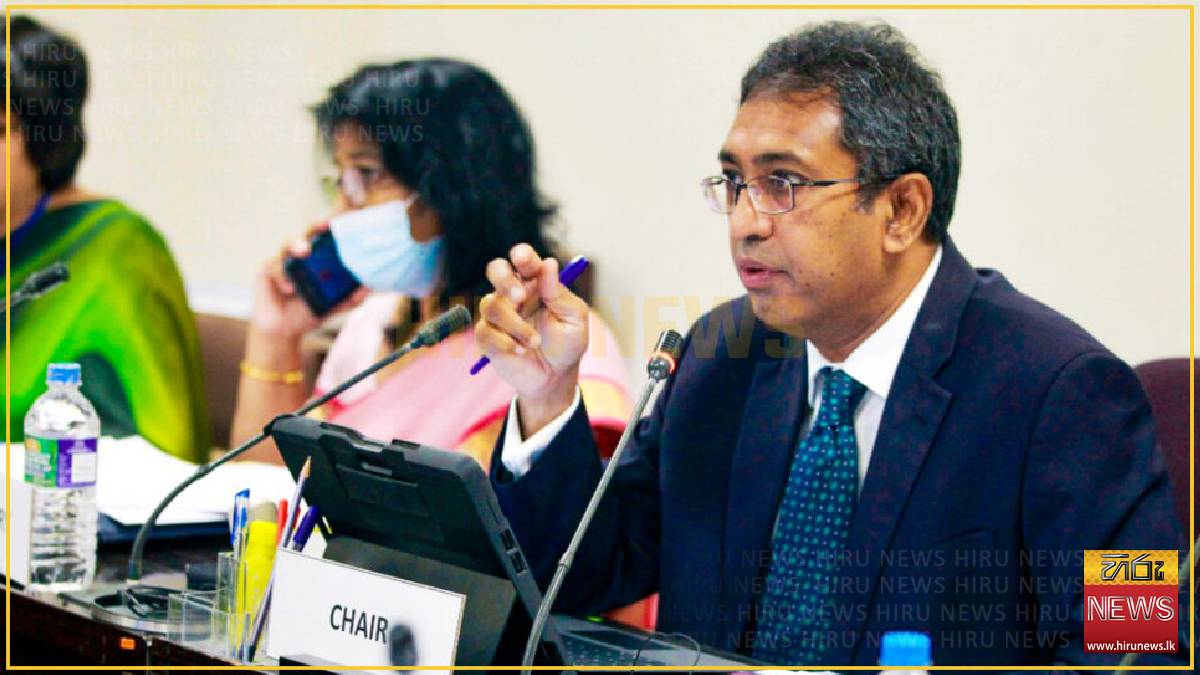
Led by Member of Parliament Dr. Harsha de Silva, the committee evaluated the fiscal benefits, technical standards, and expenses of the tracking system established after the 2016 budget to combat counterfeit alcohol and protect excise revenues.
Madras Security Printers, an Indian firm, secured the contract in 2017, and operations expanded in 2021 to include digital inkjet codes for high-speed production lines where physical stickers proved difficult to apply.
Committee members pointed out that although bottling plants required initial infrastructure investments for digital printers, digital codes typically involve fewer materials and lower expenses than paper labels, prompting demands to reassess current pricing and state economic benefits.
Furthermore, officials received instructions to adopt international ISO standards alongside a comprehensive track-and-trace mechanism spanning production to final consumption, supplemented by a mobile verification application for consumers.
As authorities contemplate a fresh tender process, the committee emphasised that evaluations must prioritise quality, pricing, security, and technical expertise among reviewing officers to prevent counterfeit imitations.
The Excise Department must examine global practices and present a formal report back to the committee.
Led by Member of Parliament Dr. Harsha de Silva, the committee evaluated the fiscal benefits, technical standards, and expenses of the tracking system established after the 2016 budget to combat counterfeit alcohol and protect excise revenues.
Madras Security Printers, an Indian firm, secured the contract in 2017, and operations expanded in 2021 to include digital inkjet codes for high-speed production lines where physical stickers proved difficult to apply.
Committee members pointed out that although bottling plants required initial infrastructure investments for digital printers, digital codes typically involve fewer materials and lower expenses than paper labels, prompting demands to reassess current pricing and state economic benefits.
Furthermore, officials received instructions to adopt international ISO standards alongside a comprehensive track-and-trace mechanism spanning production to final consumption, supplemented by a mobile verification application for consumers.
As authorities contemplate a fresh tender process, the committee emphasised that evaluations must prioritise quality, pricing, security, and technical expertise among reviewing officers to prevent counterfeit imitations.
The Excise Department must examine global practices and present a formal report back to the committee.
Latest News
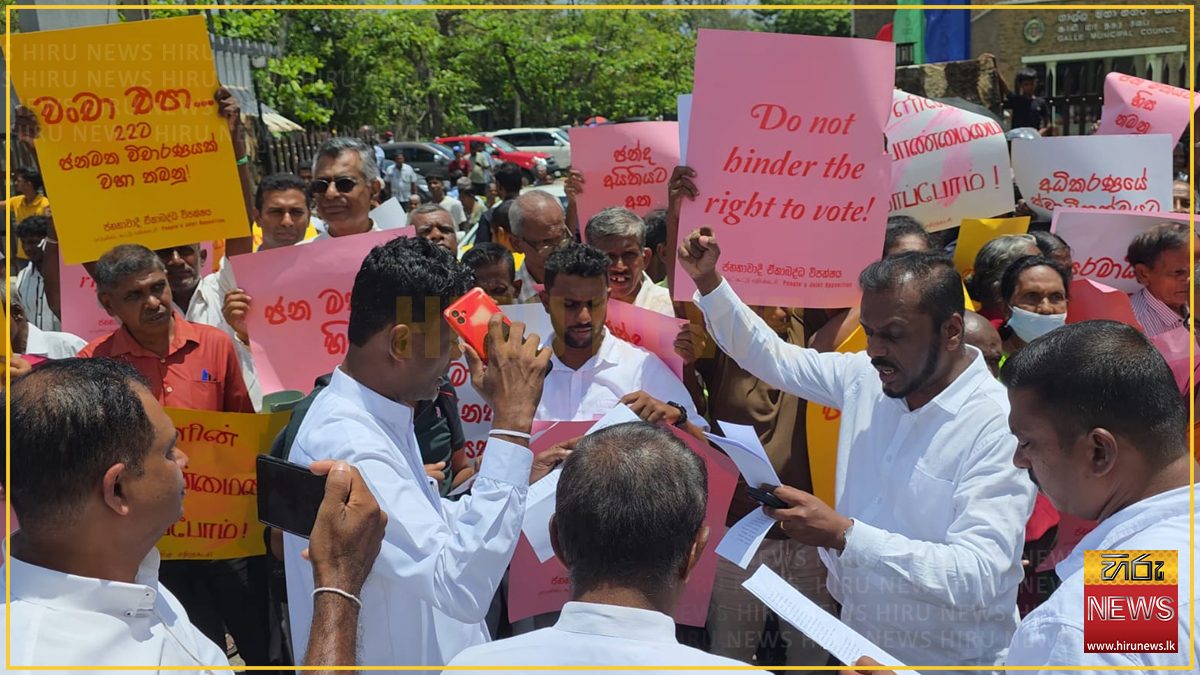
Protest held in Galle demanding referendum on 22nd Constitutional Amendment
Local
30 August 2026
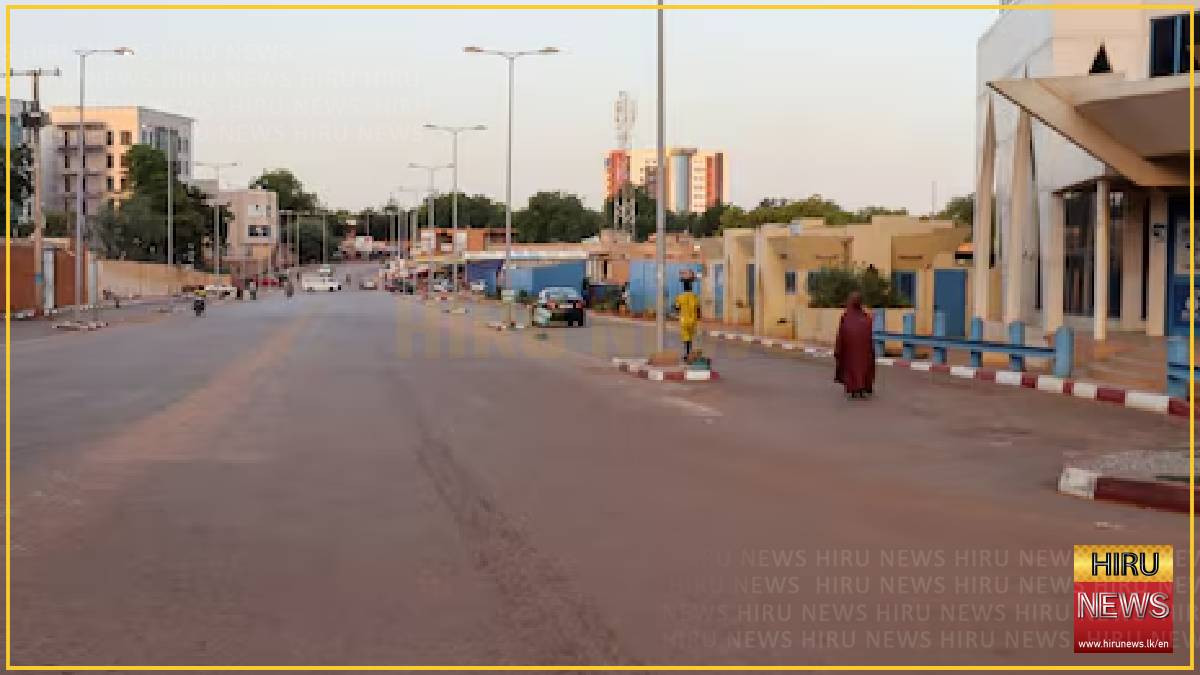
Niger says it regains control of airbase after soldiers mutiny
Local
30 August 2026
Army Commander visits family of Parama Weera Vibhushanaya recipient Sergeant A. M. Anura
Local
30 August 2026

Severed human head found near riverbank in Moratumulla
Local
30 August 2026

Political opponents now forced to accept necessity of past development projects, says Namal Rajapaksa
Local
30 August 2026

Police issue strict directives on loudspeaker use and noise pollution
Local
30 August 2026

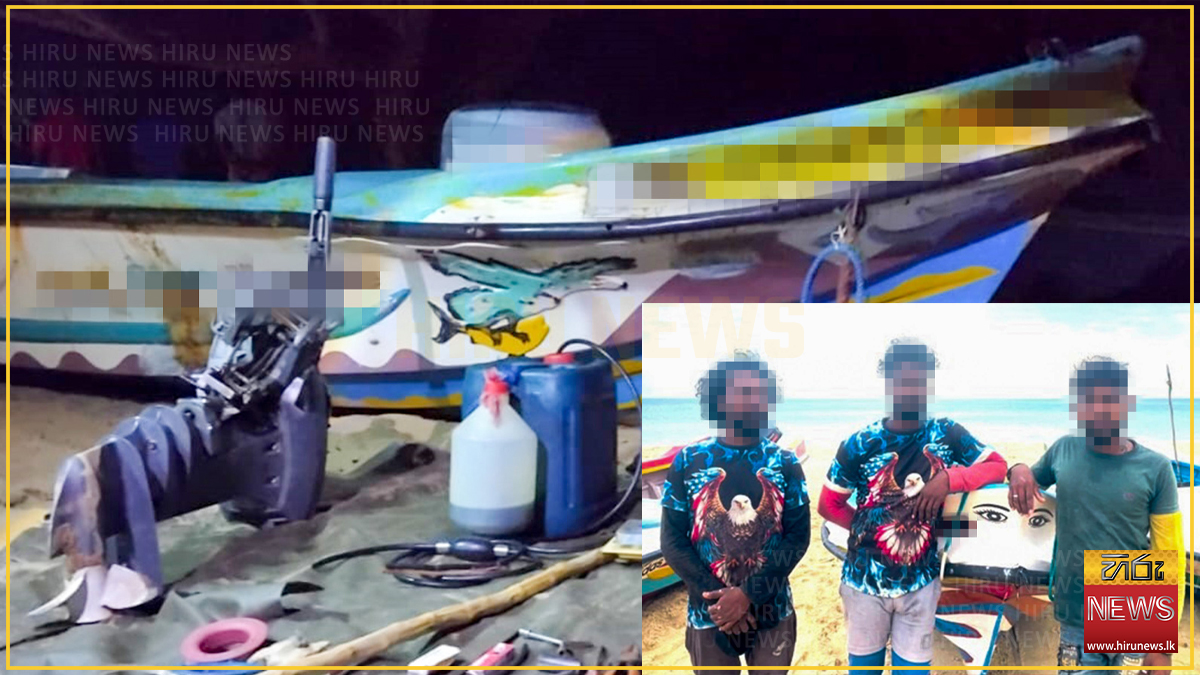
33 arrested in joint operations against illegal fishing
Local
30 August 2026
GMOA decides to oppose 22nd Amendment
Local
30 August 2026

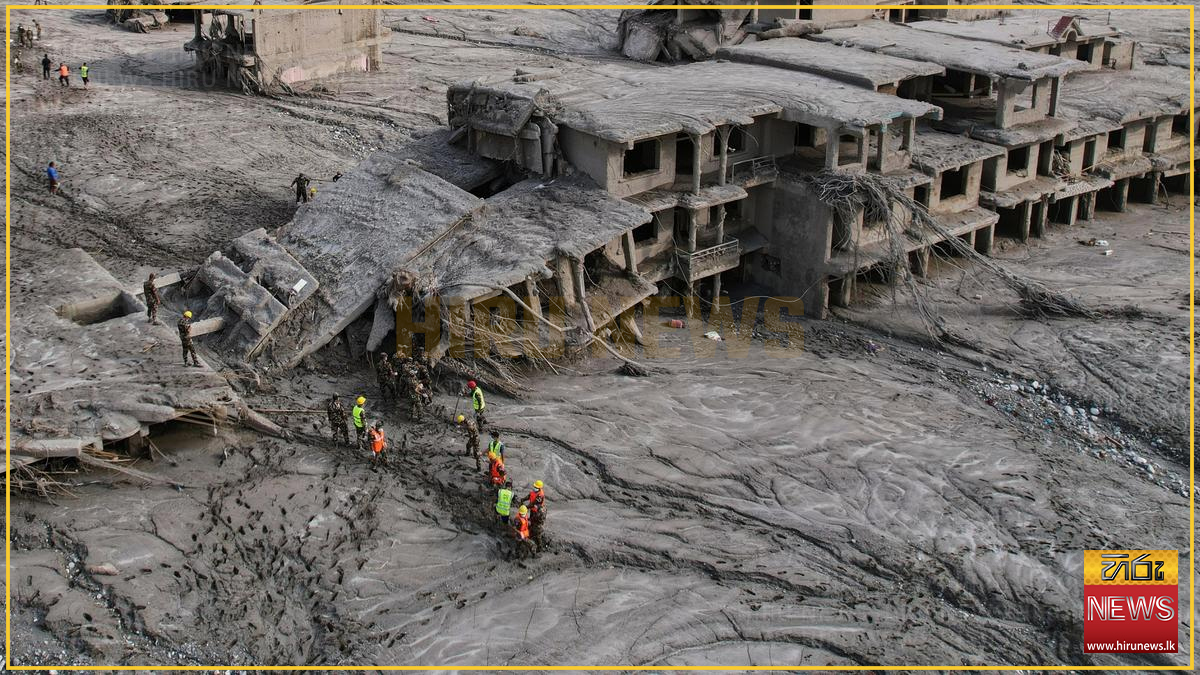
Over 700 dead and thousands missing following flash floods in Nepal and Tibet
Local
30 August 2026
Three suspects arrested over Katana murder
Local
30 August 2026