




Share Post


Oil prices climbed for a fourth straight day on Wednesday as investors weighed conflicting messages from Tehran and Washington on whether the Strait of Hormuz is open to ships.
Brent crude futures climbed 69 cents, or 0.8%, to $91.71 by 0415 GMT, while U.S. West Texas Intermediate crude futures were up 76 cents, or 0.9%, to $85.70 a barrel.
Both contracts closed on Tuesday at their highest in more than three weeks as hopes of peace between the U.S. and Iran faded.
U.S. President Donald Trump said on Tuesday no talks were taking place with Iran and insisted the Strait of Hormuz was open, contradicting Iran's assertion that the critical waterway remained shut to shipping.
A temporary ceasefire agreement expired on Monday and a senior Iranian official told Reuters that his country was moving to due to the diplomatic stalemate, though there were no reports of fresh strikes by either side on Tuesday.
"The shipping risks are increasing again as attacks from Iran and Houthis remain prevalent in both key chokepoints, keeping oil prices supported in the near term," said June Goh, senior oil market analyst at Sparta Commodities, referring to the Strait of Hormuz and Bab el-Mandeb strait.
Shipping through Hormuz slowed, data showed on Wednesday, as most shipowners avoided the key waterway due to a lack of clear signalling on its reopening from a blockade.
"However, Gulf producers are finding alternative export routes to bring oil out to the Gulf of Oman," said Goh. "If sustainable, this could help increase shut-in production from these two producers."
To avoid the Strait of Hormuz, Iraq's cabinet approved mechanisms for exporting Iraqi crude through specialized international and local companies and via multiple export outlets, the government said on Tuesday.
The contracts under the new mechanism will run for three months starting September 1, according to a statement issued after the cabinet meeting.
Two Chinese shipping giants have stopped sending oil tankers through Hormuz and Bab el-Mandeb amid the conflict in the Middle East and are instead collecting oil cargoes outside the Gulf.
In the U.S., crude oil and distillate inventories fell, while gasoline stocks rose last week, market sources said, citing data from the American Petroleum Institute.
Official inventory numbers from the U.S. Energy Information Administration are due at 10:30 a.m. ET (1430 GMT), with analysts polled by Reuters expecting crude stocks fell by about 600,000 barrels in the week ended August 14.
- Reuters
Brent crude futures climbed 69 cents, or 0.8%, to $91.71 by 0415 GMT, while U.S. West Texas Intermediate crude futures were up 76 cents, or 0.9%, to $85.70 a barrel.
Both contracts closed on Tuesday at their highest in more than three weeks as hopes of peace between the U.S. and Iran faded.
U.S. President Donald Trump said on Tuesday no talks were taking place with Iran and insisted the Strait of Hormuz was open, contradicting Iran's assertion that the critical waterway remained shut to shipping.
A temporary ceasefire agreement expired on Monday and a senior Iranian official told Reuters that his country was moving to due to the diplomatic stalemate, though there were no reports of fresh strikes by either side on Tuesday.
"The shipping risks are increasing again as attacks from Iran and Houthis remain prevalent in both key chokepoints, keeping oil prices supported in the near term," said June Goh, senior oil market analyst at Sparta Commodities, referring to the Strait of Hormuz and Bab el-Mandeb strait.
Shipping through Hormuz slowed, data showed on Wednesday, as most shipowners avoided the key waterway due to a lack of clear signalling on its reopening from a blockade.
"However, Gulf producers are finding alternative export routes to bring oil out to the Gulf of Oman," said Goh. "If sustainable, this could help increase shut-in production from these two producers."
To avoid the Strait of Hormuz, Iraq's cabinet approved mechanisms for exporting Iraqi crude through specialized international and local companies and via multiple export outlets, the government said on Tuesday.
The contracts under the new mechanism will run for three months starting September 1, according to a statement issued after the cabinet meeting.
Two Chinese shipping giants have stopped sending oil tankers through Hormuz and Bab el-Mandeb amid the conflict in the Middle East and are instead collecting oil cargoes outside the Gulf.
In the U.S., crude oil and distillate inventories fell, while gasoline stocks rose last week, market sources said, citing data from the American Petroleum Institute.
Official inventory numbers from the U.S. Energy Information Administration are due at 10:30 a.m. ET (1430 GMT), with analysts polled by Reuters expecting crude stocks fell by about 600,000 barrels in the week ended August 14.
- Reuters
Latest News
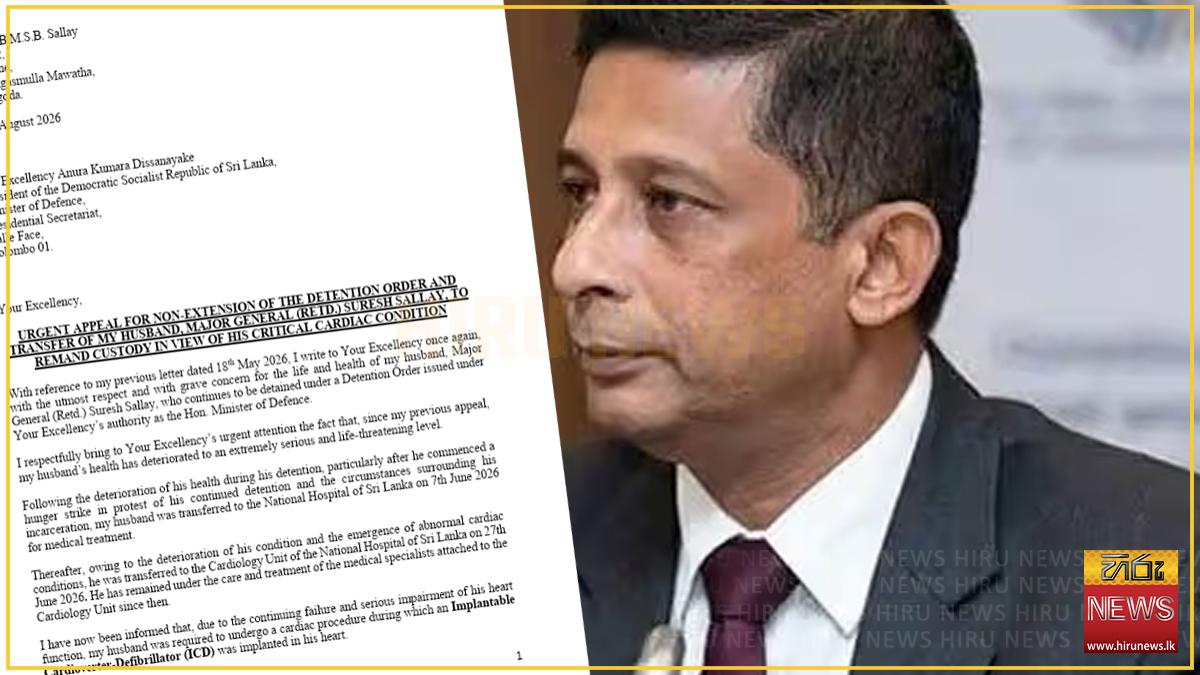
Global Sri Lankan Forum appeals to President over Suresh Sallay’s detention
Local
22 August 2026
66,000 Mrigal fingerlings released into Maussakelle Reservoir to boost nutrition in plantation sector
Local
22 August 2026

Dilhani Lekamge wins silver in javelin throw in India
Local
22 August 2026

Male body retrieved from rocks off Wennappuwa sea
Local
22 August 2026

State funds allocated for Muslim places of worship in Gampaha District
Local
22 August 2026

Shanika Kahawalage wins Bronze at the 2026 World Athletics Silver Level Continental Tour
Local
22 August 2026

Dinana Dakuna slams Justice Minister’s ‘no referendum’ claim
Local
22 August 2026

Chinese robot beats Usain Bolt's 100m world record in test run
Local
22 August 2026

Dr. Nanda Malini bids farewell to the nation
Local
22 August 2026

President, Prime Minister, and Opposition Leader issue condolence messages for late Dr. Nanda Malini
Local
22 August 2026