Share Post


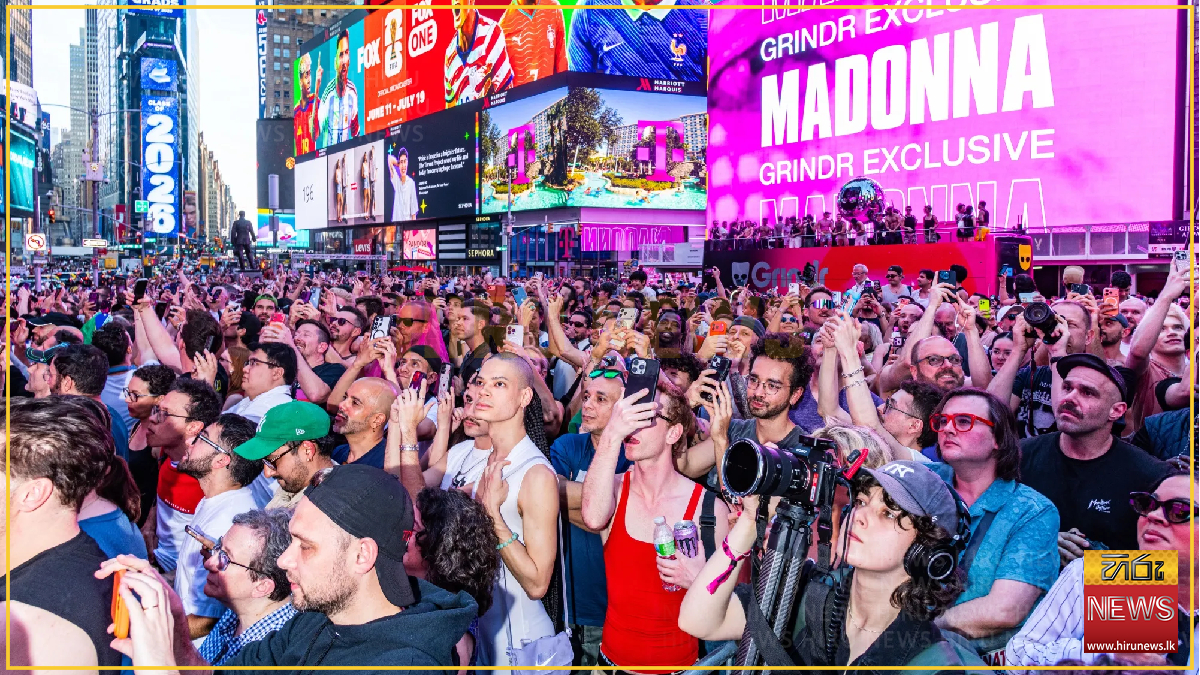
Madonna made a surprise appearance in Times Square last week, promoting her latest album, Confessions II. It was a marketing win for the pop star — and an even bigger one for Grindr Inc.
“All right, New York City. Are you ready for this?” she said from a stage built into a billboard. “Come on, gays. Happy Pride!”
Shortly before the performance, the gay-dating app sent a push notification to nearby users promoting the pop-up concert. Within minutes, crowds filled the barricaded viewing areas as Madonna played a brief set largely from her forthcoming album. The performance, livestreamed exclusively on Grindr to the platform’s 15 million users, capped a weekslong marketing partnership that included a hot-pink app takeover, early access to album details and a controversial voice memo from Madonna.
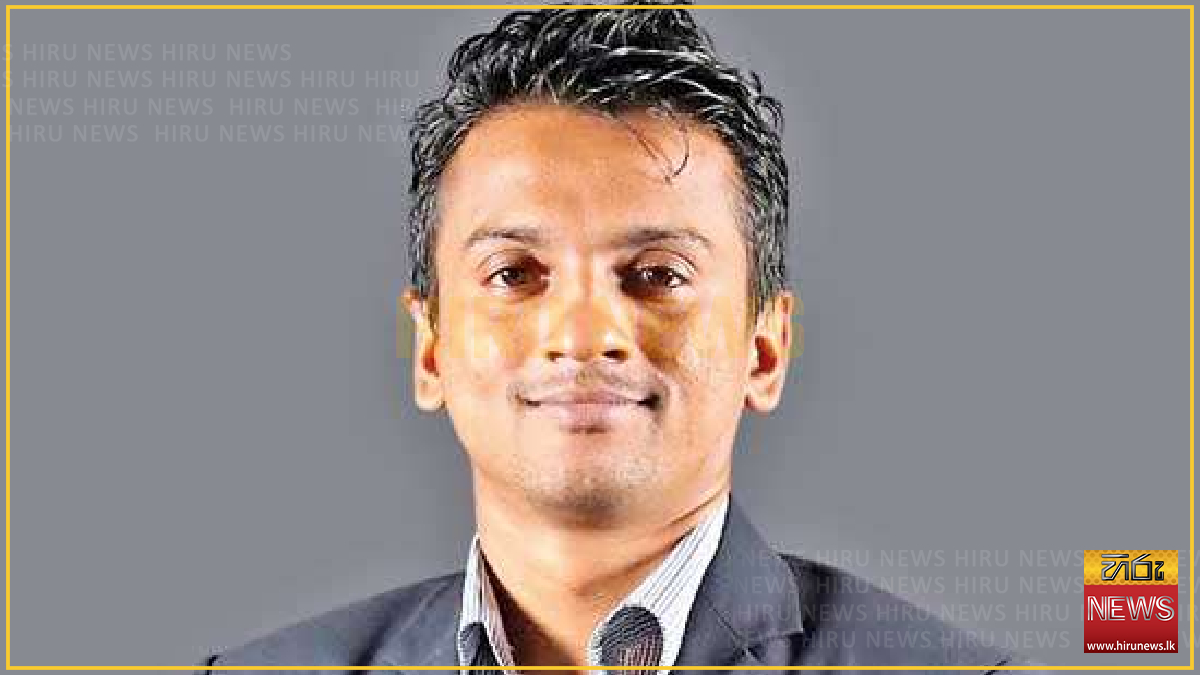
The event was a watershed moment for a brand that has carried the stigma of being a hookup app. For years, according to the company, many gay men were embarrassed to admit they used Grindr, and some major banks wouldn’t return its calls. Now, Goldman Sachs Group Inc. rates the stock a buy, and it was Madonna’s team that contacted Grindr Chief Executive Officer George Arison for help reaching a significant slice of her audience.
“It was big for us,” said Arison, who thought the initial inquiry was fake. “The fact that Madonna comes to us and says, ‘Hey, I’m about to launch a new album. Can I do that with you?’ — I’m very confident that three years ago that would not have happened. And frankly, had it happened, we would not have been able to execute it.”
Arison, a serial founder who joined Grindr’s board in the spring of 2022 and was named CEO months later, has spent the past few years carrying out what he calls a “refounding” of the company. Grindr, which launched in 2009 as a dating app for gay men, has lately evolved from what he describes as a startup with little product or financial discipline into a profitable public company leaning heavily into artificial intelligence.
His vision, he said in an interview, is to turn Grindr into a center of culture and community — or what he calls the “global gayborhood in your pocket” — for queer people globally, even if its users don’t have access to a real-world gathering place nearby. Today, Grindr users can meet others on the platform as well as gain access to health information, buy medications such as weight loss drugs and wellness products, and find in-person events. The platform plans to expand further into HIV treatment and prevention, along with other services like hotel room bookings.
“Clinical care is another opportunity for us,” Arison said. “I have less clarity on how exactly we’re going to look at this, but we know that finding gay doctors is very hard, even in places like the Bay Area where it should be super easy. That’s a big healthcare focus for us.”
Grindr is also leaning into what Arison calls “intention-based” dating features that help users find what they want faster, whether it’s something casual or long term, and explain why certain connections are suggested. As part of that effort, the company is considering a feature that would let someone search for people who may want to start a family.
“We may say there are 10 people in the country who may be the right partners for you,” he said. “If I randomly show you guys far away, you might not act on it because they live far away. But if I could be more transparent sharing information with you — this is what we know about you, this is what we know about them, this is why the connection makes sense — that’s much more compelling.”
Like other dating apps, Grindr is experimenting with AI and deeper personalization to better engage its users. In recent months, the West Hollywood, California-based company has introduced a paid tier plan for advanced AI features, such as summarizing and resurfacing past conversations and providing insights into people’s profiles (for example, how likely someone is to respond).
There are signs this strategy is resonating: The company last month raised its revenue guidance for the year to at least $535 million. Users are also now spending more time on the app, reporting higher satisfaction rates and encountering fewer technical issues, which the company attributes in part to the incorporation of AI.
Internally, Grindr says about 70% of its code has been touched or updated by AI, while engineers have reported they are about 2.5 times more productive than they were a year ago. (The company also used artificial intelligence to help quickly build the livestream platform used for Madonna’s album promotion in Times Square.)
“AI is the most exciting thing we’re working on,” he said. “If we were a brand-new business built with AI in the foundation, it would still be impressive, but for us to be a company with a 17-year-old code base that can do this is really incredible. We’re just getting way better at this as time goes by.”
Arison, who was born in the former Soviet republic of Georgia, came to the US as a teen student, drawn in part by the appeal of living openly as a gay person. At Grindr, where much of the senior leadership team is gay, the company offers employees as much as $300,000 in fertility services, covering surrogacy, in vitro fertilization and associated tax costs.
“A lot of my own experience informs how I run Grindr,” he said, referring to the birth of his two children through surrogacy. “We’re very flexible because we want to welcome families and people with children. I strongly believe that making it as easy as possible for gay men and gay couples to have children is critical.”
Arison added that he feels a responsibility to succeed both financially and culturally because Grindr is one of the only major gay-run public companies.
“The gay rights movement has become one of the most successful civil rights movements in history,” he said. “Part of that success was the rise of people who happened to be gay and reached pinnacles in their professional lives. That was true in acting, in sports, in politics and in business with people like Tim Cook. It made people realize these individuals are no different from everyone else.”
He also hopes to use Grindr’s financial success to advocate for policies related to HIV treatment and ensuring people have access to preventive medications both in the US and abroad. “It’s less about making political statements now and more, ‘Hey, let’s utilize the power that we’ve gained from our financial success to have a positive impact on the world,” he said.
Although Grindr is the leading app for gay men, it is contending with emerging competition. In April, Match Group Inc., whose portfolio includes Hinge, Tinder and Match.com, announced a $100 million investment in Sniffies, paving the way for a potential acquisition. Sniffies, which has a fraction of Grindr’s audience at roughly 3 million monthly active users worldwide, provides daters with a real-time map designed to facilitate in-person connections.
Read More: Tinder Is Betting Gen Z Daters Would Rather Be Offline
“I think there’s a big kudos due to Grindr here because Grindr really normalized things, especially since going public,” said Arison. “I’m certain this deal wouldn’t have gotten done until now.”
Perceptions of Grindr and the broader queer market have evolved, said Tristan Pineiro, Grindr’s chief marketing officer.
“What really changed is we stopped trying to manage perception from the outside in and started zeroing in on the community we actually serve,” he said. “A lot of Grindr users were ashamed to be on it. That stigma was and is very real, and when we started being honest about who we are and building for them instead of performing for everyone else, they responded.”
-Bloomberg
“All right, New York City. Are you ready for this?” she said from a stage built into a billboard. “Come on, gays. Happy Pride!”
Shortly before the performance, the gay-dating app sent a push notification to nearby users promoting the pop-up concert. Within minutes, crowds filled the barricaded viewing areas as Madonna played a brief set largely from her forthcoming album. The performance, livestreamed exclusively on Grindr to the platform’s 15 million users, capped a weekslong marketing partnership that included a hot-pink app takeover, early access to album details and a controversial voice memo from Madonna.
The event was a watershed moment for a brand that has carried the stigma of being a hookup app. For years, according to the company, many gay men were embarrassed to admit they used Grindr, and some major banks wouldn’t return its calls. Now, Goldman Sachs Group Inc. rates the stock a buy, and it was Madonna’s team that contacted Grindr Chief Executive Officer George Arison for help reaching a significant slice of her audience.
“It was big for us,” said Arison, who thought the initial inquiry was fake. “The fact that Madonna comes to us and says, ‘Hey, I’m about to launch a new album. Can I do that with you?’ — I’m very confident that three years ago that would not have happened. And frankly, had it happened, we would not have been able to execute it.”
Arison, a serial founder who joined Grindr’s board in the spring of 2022 and was named CEO months later, has spent the past few years carrying out what he calls a “refounding” of the company. Grindr, which launched in 2009 as a dating app for gay men, has lately evolved from what he describes as a startup with little product or financial discipline into a profitable public company leaning heavily into artificial intelligence.
His vision, he said in an interview, is to turn Grindr into a center of culture and community — or what he calls the “global gayborhood in your pocket” — for queer people globally, even if its users don’t have access to a real-world gathering place nearby. Today, Grindr users can meet others on the platform as well as gain access to health information, buy medications such as weight loss drugs and wellness products, and find in-person events. The platform plans to expand further into HIV treatment and prevention, along with other services like hotel room bookings.
“Clinical care is another opportunity for us,” Arison said. “I have less clarity on how exactly we’re going to look at this, but we know that finding gay doctors is very hard, even in places like the Bay Area where it should be super easy. That’s a big healthcare focus for us.”
Grindr is also leaning into what Arison calls “intention-based” dating features that help users find what they want faster, whether it’s something casual or long term, and explain why certain connections are suggested. As part of that effort, the company is considering a feature that would let someone search for people who may want to start a family.
“We may say there are 10 people in the country who may be the right partners for you,” he said. “If I randomly show you guys far away, you might not act on it because they live far away. But if I could be more transparent sharing information with you — this is what we know about you, this is what we know about them, this is why the connection makes sense — that’s much more compelling.”
Like other dating apps, Grindr is experimenting with AI and deeper personalization to better engage its users. In recent months, the West Hollywood, California-based company has introduced a paid tier plan for advanced AI features, such as summarizing and resurfacing past conversations and providing insights into people’s profiles (for example, how likely someone is to respond).
There are signs this strategy is resonating: The company last month raised its revenue guidance for the year to at least $535 million. Users are also now spending more time on the app, reporting higher satisfaction rates and encountering fewer technical issues, which the company attributes in part to the incorporation of AI.
Internally, Grindr says about 70% of its code has been touched or updated by AI, while engineers have reported they are about 2.5 times more productive than they were a year ago. (The company also used artificial intelligence to help quickly build the livestream platform used for Madonna’s album promotion in Times Square.)
“AI is the most exciting thing we’re working on,” he said. “If we were a brand-new business built with AI in the foundation, it would still be impressive, but for us to be a company with a 17-year-old code base that can do this is really incredible. We’re just getting way better at this as time goes by.”
Arison, who was born in the former Soviet republic of Georgia, came to the US as a teen student, drawn in part by the appeal of living openly as a gay person. At Grindr, where much of the senior leadership team is gay, the company offers employees as much as $300,000 in fertility services, covering surrogacy, in vitro fertilization and associated tax costs.
“A lot of my own experience informs how I run Grindr,” he said, referring to the birth of his two children through surrogacy. “We’re very flexible because we want to welcome families and people with children. I strongly believe that making it as easy as possible for gay men and gay couples to have children is critical.”
Arison added that he feels a responsibility to succeed both financially and culturally because Grindr is one of the only major gay-run public companies.
“The gay rights movement has become one of the most successful civil rights movements in history,” he said. “Part of that success was the rise of people who happened to be gay and reached pinnacles in their professional lives. That was true in acting, in sports, in politics and in business with people like Tim Cook. It made people realize these individuals are no different from everyone else.”
He also hopes to use Grindr’s financial success to advocate for policies related to HIV treatment and ensuring people have access to preventive medications both in the US and abroad. “It’s less about making political statements now and more, ‘Hey, let’s utilize the power that we’ve gained from our financial success to have a positive impact on the world,” he said.
Although Grindr is the leading app for gay men, it is contending with emerging competition. In April, Match Group Inc., whose portfolio includes Hinge, Tinder and Match.com, announced a $100 million investment in Sniffies, paving the way for a potential acquisition. Sniffies, which has a fraction of Grindr’s audience at roughly 3 million monthly active users worldwide, provides daters with a real-time map designed to facilitate in-person connections.
Read More: Tinder Is Betting Gen Z Daters Would Rather Be Offline
“I think there’s a big kudos due to Grindr here because Grindr really normalized things, especially since going public,” said Arison. “I’m certain this deal wouldn’t have gotten done until now.”
Perceptions of Grindr and the broader queer market have evolved, said Tristan Pineiro, Grindr’s chief marketing officer.
“What really changed is we stopped trying to manage perception from the outside in and started zeroing in on the community we actually serve,” he said. “A lot of Grindr users were ashamed to be on it. That stigma was and is very real, and when we started being honest about who we are and building for them instead of performing for everyone else, they responded.”
-Bloomberg
Latest News
SAARC CCI President, Chandi Dhakal meets Yunnan Province Governor
Local
11 June 2026

China cancels high-level meetings with EU
Local
11 June 2026

Payable to expand digital payments after Short Circuit acquisition
Local
11 June 2026
Court directs probe into Ports Authority tender scam
Local
11 June 2026

Commercial Bank launches ‘ComBank GIG+’
Local
11 June 2026

Writ petition by Suresh Sallay postponed to July 10
Local
11 June 2026

In the Atacama Desert, astronomers live and work in a James Bond villain lair
Local
11 June 2026

CSE drops by 191.45 points
Local
11 June 2026

Senior citizens’ allowance delayed, says Dayasiri
Local
11 June 2026

Exclusive: Sri Lanka's "profit-making" state sector enterprises took more from the treasury than it gave back – Dhananath Fernando on SOE performance
Local
11 June 2026