



Share Post


Seven OPEC+ countries have an agreement in principle to raise oil output targets by about 188,000 barrels per day in June, pressing on with plans despite the departure of the UAE, two sources familiar with OPEC+ thinking said ahead of a policy meeting on Sunday.
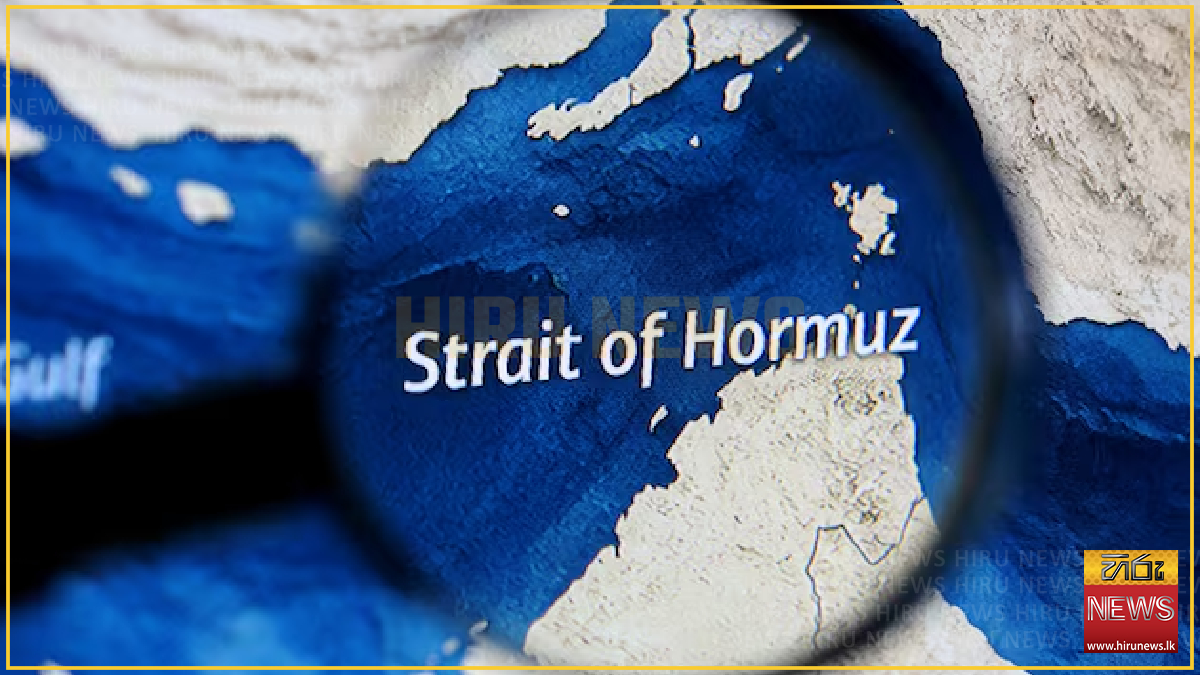
The output hike is largely symbolic for now, with most shipping through the Strait of Hormuz halted by the U.S.-Israeli war on Iran, which is causing far more disruption to the producer group's output than its agreed targets.
The increase is similar to last month's hike of 206,000 bpd minus the share of the United Arab Emirates, which in a surprise announcement this week said it would leave the group from May 1. The decision signals that OPEC+ is pressing on with a business-as-usual approach, one source said earlier.
Both sources spoke on condition of anonymity. The seven members are scheduled to meet online on Sunday.
The Iran war which began on February 28 and the resulting closure of Hormuz has throttled exports from OPEC+ members Saudi Arabia, Iraq and Kuwait, as well as the UAE. Before the conflict, these producers were the only countries in the group able to raise production.
Iran, also an OPEC member though not among the seven meeting on Sunday, has seen its own exports cut by a U.S. blockade imposed in April.
Crude oil output from all OPEC+ members averaged 35.06 million bpd in March, down 7.70 million bpd from February, OPEC said in a report last month, with Iraq and Saudi Arabia making the biggest cuts due to constrained exports. Outside the Gulf, Russia has also cut output after infrastructure was damaged by Ukrainian drone attacks.
The seven members meeting on Sunday are Saudi Arabia, Iraq, Kuwait, Algeria, Kazakhstan, Russia, and Oman. With the UAE leaving, OPEC+ includes 21 members including Iran, but in recent years only the seven nations plus the UAE have been involved in monthly production decisions.
- Reuters
The output hike is largely symbolic for now, with most shipping through the Strait of Hormuz halted by the U.S.-Israeli war on Iran, which is causing far more disruption to the producer group's output than its agreed targets.
The increase is similar to last month's hike of 206,000 bpd minus the share of the United Arab Emirates, which in a surprise announcement this week said it would leave the group from May 1. The decision signals that OPEC+ is pressing on with a business-as-usual approach, one source said earlier.
Both sources spoke on condition of anonymity. The seven members are scheduled to meet online on Sunday.
The Iran war which began on February 28 and the resulting closure of Hormuz has throttled exports from OPEC+ members Saudi Arabia, Iraq and Kuwait, as well as the UAE. Before the conflict, these producers were the only countries in the group able to raise production.
Iran, also an OPEC member though not among the seven meeting on Sunday, has seen its own exports cut by a U.S. blockade imposed in April.
Crude oil output from all OPEC+ members averaged 35.06 million bpd in March, down 7.70 million bpd from February, OPEC said in a report last month, with Iraq and Saudi Arabia making the biggest cuts due to constrained exports. Outside the Gulf, Russia has also cut output after infrastructure was damaged by Ukrainian drone attacks.
The seven members meeting on Sunday are Saudi Arabia, Iraq, Kuwait, Algeria, Kazakhstan, Russia, and Oman. With the UAE leaving, OPEC+ includes 21 members including Iran, but in recent years only the seven nations plus the UAE have been involved in monthly production decisions.
- Reuters
Latest News
M*A*S*H actress Gwen Farrell Adair bids adieu
Local
02 May 2026

Spirit Airlines shuts down
Local
02 May 2026

UK may ban some pro-Palestinian marches
Local
02 May 2026

US rejects Iran proposal to open strait ahead of nuclear deal
Local
02 May 2026

Zelenskyy, Fico discuss Ukraine's EU accession
Local
02 May 2026

NATO: working with US to understand details of troop reduction in Germany
Local
02 May 2026
Taiwan President arrives in Eswatini
Local
02 May 2026
OPEC+ agrees in principle on small oil output quota hike without UAE
Local
02 May 2026
Mali probes soldiers over insurgent attacks
Local
02 May 2026

Meta faces legal challenge in New Mexico
Local
02 May 2026