Share Post


Pakistan has opened six overland transit routes to move shipments into Iran, aiming to clear more than 3,000 containers stranded at Karachi and Port Qasim as disruptions in the Strait of Hormuz continue to choke maritime flows, according to Pakistan’s Dawn media outlet. The move follows a statutory regulatory order issued last month by Pakistan’s Ministry of Commerce, activating a 2008 bilateral road transport agreement with Iran, allowing third-country cargo to transit through Pakistani ports and overland corridors into Iran.
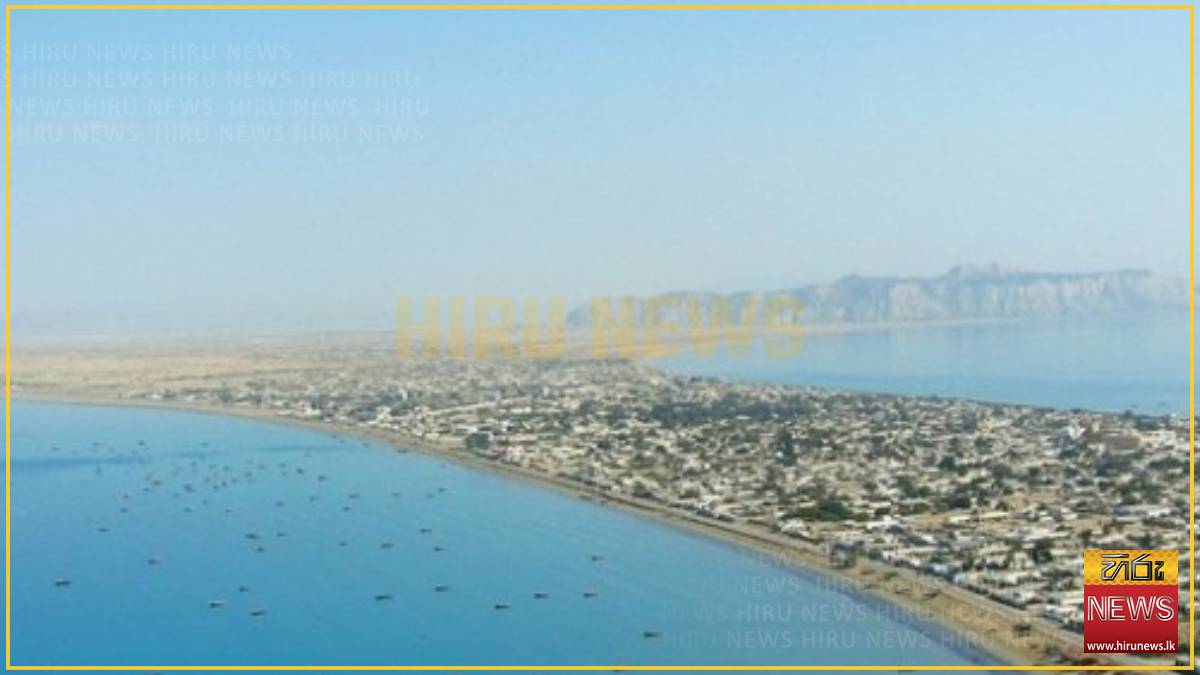
The designated corridors link Pakistan's major ports to the Iranian border crossings at Gabd and Taftan through Balochistan. Spanning just 89 kilometres, the Gwadar-Gabd corridor has been activated as a key land route connecting Pakistan to Iran, cutting travel time to the border to just 2-3 hours compared to 16-18 hours from Karachi. This corridor will serve as the shortest, fastest and most efficient land route for cargo connecting the Gwadar port to the Iranian border at Gabd.
The second is a coastal route from Karachi/Port Qasim through Lyari, Ormara and Pasni to the Gabd-Rimdan crossing. This route serves as a major land-based transit corridor for goods and utilizes the N10 National Highway along the Balochistan coast. This route generally takes approximately 16 to 18 hours for commercial cargo.
Route 3 is the Karachi/Port Qasim to Taftan border crossing with Iran, approximately 900 kilometers long. This corridor traverses Balochistan and facilitates trade via routes like Karachi-Khuzdar-Dalbandin-Taftan. Route 4 is the Gwadar to Taftan route via Turbat, Panjgur and Quetta. This is a key overland corridor over 1,000 km long, designed to facilitate trade with Iran, passing through central Balochistan before heading north to the border. It serves as a strategic, land-based alternative to maritime routes. Route 5 connects Gwadar to Taftan via Liari, Khuzdar, Quetta/Lakpass, Dalbandin, and Nokundi, while Route 6 connects Karachi/Port Qasim to Gabd via Gwadar.
Pakistan is among the Asian economies most severely impacted by the war in Iran, thanks to the country’s heavy reliance on fuel imports. The country imports 85% to 90% of its energy needs, including crude oil, refined petroleum products, LNG and coal.
Pakistan's weekly oil import bill has surged by nearly 170% in the current year compared to 2025 levels, rising from $300 million to $800 million a month due to skyrocketing global fuel prices triggered by the Middle East conflict. The oil price spike puts massive pressure on the economy: the sudden surge has dented the economic gains made over the past two years, with annual petroleum expenditure projected to reach $28.9 billion for FY2026.
Pakistan is also facing a massive drop in foreign remittances, with a projected decline of ~35% in the current year due to the ongoing economic turmoil in the region. Remittances account for roughly 6-7% of Pakistan's GDP, with annual inflows of ~$30 billion. The majority of remittances come from Saudi Arabia (approx. 28%) and the UAE (approx. 21%), followed by the UK and the EU. These inflows are a crucial source of foreign exchange and help manage the country's persistent, high import-driven current account deficit.
Pakistan is not the only country to revert to risky overland transport amid the Strait of Hormuz blockade. Iraq has opened and expanded key overland routes, particularly with Syria.
Last month, Iraq officially reopened the Rabia-Yarubiyah Crossing after more than a decade of closure. Located in Nineveh province, this route is now functional for passenger, commercial, and fuel oil tanker traffic. Iraq also opened the Al-Waleed-Al-Tanf corridor, with the route already being used to transport crude oil from Iraq to the Syrian refinery in Banyas.
The Iraqi government is also reviving plans for alternative oil pipelines, such as the Iraq-Jordan pipeline and repairing the northern Kirkuk-Ceyhan pipeline to Turkey, currently the only operational alternative to the Persian Gulf. The government is pushing to revive the long-mooted pipeline connecting Basra to the Jordanian port of Aqaba, a key part of its long-term strategy to provide a secure, land-based export route to the Red Sea and diversify away from the Persian Gulf.
Iraq is also in the final phases of repairing the northern Kirkuk-Ceyhan pipeline, which connects northern oil fields directly to Turkey's Mediterranean port, allowing them to bypass Kurdish Regional Government (KRG) territory. The line has a capacity to carry 1 million barrels of crude per day. Meanwhile, the country has also launched the $5-billion Basra-Haditha pipeline project to connect southern oil fields to western Iraq, enable exports via Jordan and Syria and connect to the Turkish route.
-Oilprice.com
The designated corridors link Pakistan's major ports to the Iranian border crossings at Gabd and Taftan through Balochistan. Spanning just 89 kilometres, the Gwadar-Gabd corridor has been activated as a key land route connecting Pakistan to Iran, cutting travel time to the border to just 2-3 hours compared to 16-18 hours from Karachi. This corridor will serve as the shortest, fastest and most efficient land route for cargo connecting the Gwadar port to the Iranian border at Gabd.
The second is a coastal route from Karachi/Port Qasim through Lyari, Ormara and Pasni to the Gabd-Rimdan crossing. This route serves as a major land-based transit corridor for goods and utilizes the N10 National Highway along the Balochistan coast. This route generally takes approximately 16 to 18 hours for commercial cargo.
Route 3 is the Karachi/Port Qasim to Taftan border crossing with Iran, approximately 900 kilometers long. This corridor traverses Balochistan and facilitates trade via routes like Karachi-Khuzdar-Dalbandin-Taftan. Route 4 is the Gwadar to Taftan route via Turbat, Panjgur and Quetta. This is a key overland corridor over 1,000 km long, designed to facilitate trade with Iran, passing through central Balochistan before heading north to the border. It serves as a strategic, land-based alternative to maritime routes. Route 5 connects Gwadar to Taftan via Liari, Khuzdar, Quetta/Lakpass, Dalbandin, and Nokundi, while Route 6 connects Karachi/Port Qasim to Gabd via Gwadar.
Pakistan is among the Asian economies most severely impacted by the war in Iran, thanks to the country’s heavy reliance on fuel imports. The country imports 85% to 90% of its energy needs, including crude oil, refined petroleum products, LNG and coal.
Pakistan's weekly oil import bill has surged by nearly 170% in the current year compared to 2025 levels, rising from $300 million to $800 million a month due to skyrocketing global fuel prices triggered by the Middle East conflict. The oil price spike puts massive pressure on the economy: the sudden surge has dented the economic gains made over the past two years, with annual petroleum expenditure projected to reach $28.9 billion for FY2026.
Pakistan is also facing a massive drop in foreign remittances, with a projected decline of ~35% in the current year due to the ongoing economic turmoil in the region. Remittances account for roughly 6-7% of Pakistan's GDP, with annual inflows of ~$30 billion. The majority of remittances come from Saudi Arabia (approx. 28%) and the UAE (approx. 21%), followed by the UK and the EU. These inflows are a crucial source of foreign exchange and help manage the country's persistent, high import-driven current account deficit.
Pakistan is not the only country to revert to risky overland transport amid the Strait of Hormuz blockade. Iraq has opened and expanded key overland routes, particularly with Syria.
Last month, Iraq officially reopened the Rabia-Yarubiyah Crossing after more than a decade of closure. Located in Nineveh province, this route is now functional for passenger, commercial, and fuel oil tanker traffic. Iraq also opened the Al-Waleed-Al-Tanf corridor, with the route already being used to transport crude oil from Iraq to the Syrian refinery in Banyas.
The Iraqi government is also reviving plans for alternative oil pipelines, such as the Iraq-Jordan pipeline and repairing the northern Kirkuk-Ceyhan pipeline to Turkey, currently the only operational alternative to the Persian Gulf. The government is pushing to revive the long-mooted pipeline connecting Basra to the Jordanian port of Aqaba, a key part of its long-term strategy to provide a secure, land-based export route to the Red Sea and diversify away from the Persian Gulf.
Iraq is also in the final phases of repairing the northern Kirkuk-Ceyhan pipeline, which connects northern oil fields directly to Turkey's Mediterranean port, allowing them to bypass Kurdish Regional Government (KRG) territory. The line has a capacity to carry 1 million barrels of crude per day. Meanwhile, the country has also launched the $5-billion Basra-Haditha pipeline project to connect southern oil fields to western Iraq, enable exports via Jordan and Syria and connect to the Turkish route.
-Oilprice.com
Latest News
Central Bank, Australia partner to boost digital financial literacy for MSMEs
Local
05 May 2026

Rising rubber prices to lift revenues for top plantation firms
Local
05 May 2026

China overtakes India as Sri Lanka's top trading partner
Local
05 May 2026

Browns Beach Hotels' exit offer launched
Local
05 May 2026

Kaspersky identified a new SilverFox campaign targeting companies
Local
05 May 2026

Sri Lanka and Australia partner FAO on AUD 2mn to restore vegetable livelihoods
Local
05 May 2026
Pakistan opens Iran land corridors
Local
05 May 2026
‘Gee Sambhavana’ musical show launched featuring veteran artistes
Local
05 May 2026

US prepared for visa sanctions on China
Local
05 May 2026

Vijay’s political rise echoes MGR’s legacy
Local
05 May 2026