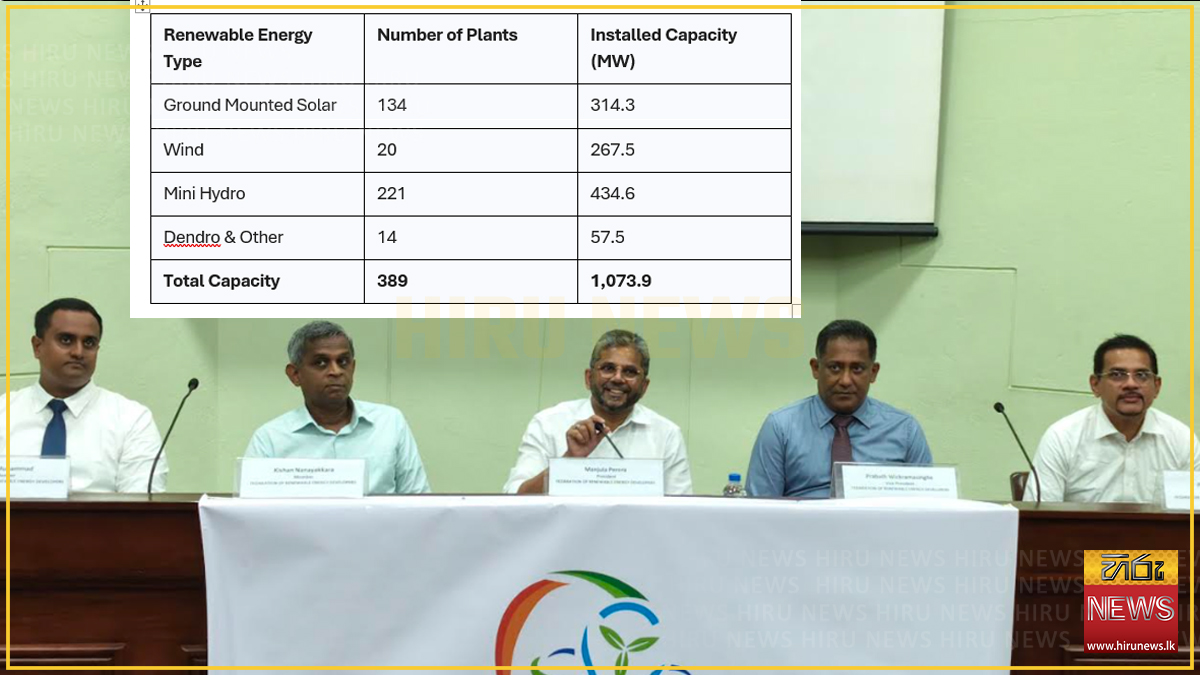


Sri Lanka’s renewable energy sector is facing a severe financial crisis with over Rs. 10 billion in unpaid dues, threatening the survival of the industry and risking wider economic fallout.
The Federation of Renewable Energy Developers (FRED), the apex body representing renewable energy developers and an associate member of The Ceylon Chamber of Commerce, warned that unless the Government urgently intervenes to resolve payment defaults by the National System Operator (Pvt) Ltd. (NSO), the country’s domestic renewable energy sector could face collapse.
According to FRED, payments for renewable energy supplied to the national grid have been completely halted since December 2025. The industry is owed nearly Rs. 2.5 billion every month, pushing total outstanding dues beyond Rs. 10 billion by April 2026.
FRED President Manjula Perera said the crisis emerged as authorities prioritised payments for costly thermal power generation using diesel and furnace oil to bridge shortfalls in coal power generation.
He noted that the National System Operator, established under the IMF-backed electricity sector unbundling programme, currently lacks sufficient liquidity to settle payments owed to renewable energy suppliers.
“The Government must intervene and at least settle 50 percent of the outstanding dues for the industry to continue operating,” he said.
According to senior NSO officials, approximately 100MW to 150MW of daily electricity shortfalls have had to be covered through diesel and heavy fuel oil generation following inefficiencies and reduced generation capacity in coal power plants since December.
FRED also pointed out that global geopolitical tensions, particularly the ongoing conflict involving Iran and the United States, have sharply increased thermal power generation costs to nearly Rs. 100 per kilowatt-hour, while renewable energy developers supply electricity to the grid for less than Rs. 19 per unit.
The federation warned that prioritising expensive fossil fuel generation while defaulting on payments to renewable energy providers could force many operators out of business, worsening future power shortages.
The crisis has affected ground-mounted solar, mini-hydro, wind and biomass power projects across the country, although rooftop solar operators remain unaffected.
FRED further warned that many power plant owners are now struggling to service bank loans, raising concerns of a significant increase in non-performing loans within the banking sector. The industry also fears potential job losses affecting more than 10,000 workers employed in the renewable energy sector.
Latest News
Three Sinha Industries wins National Business Excellence Award

DFCC Pragathi launched to strengthen support for Lanka's MSMEs

SLPP general secretary Sagara Kariyawasam arrested
Alliance Finance achieves award trifecta at National Business Excellence Awards 2026

How ‘Teenage Sex and Death at Camp Miasma’ pulled off its wildest sequence

Ariana Grande returns to No. 1 with ‘Petal’

‘Seinfeld’ and ‘Alf’ designer David Sackeroff dies

The blockbuster mentality is back!!

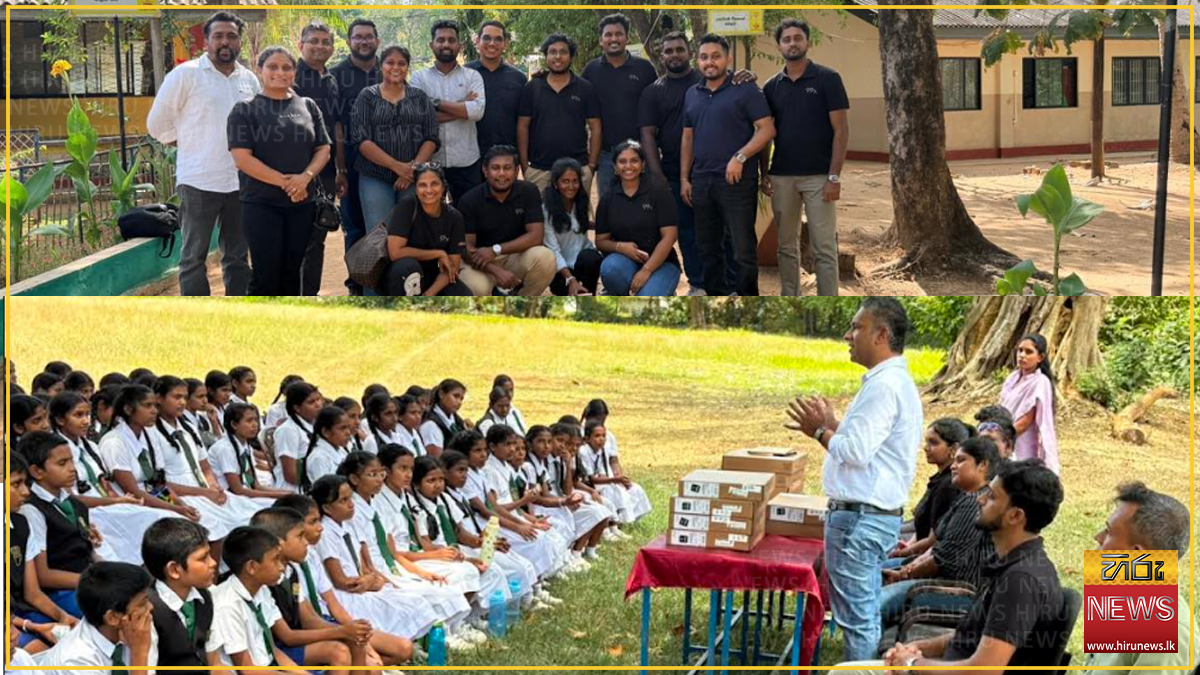
99x rebuilds flood-damaged IT labs at Mahiyanganaya schools
‘The Odyssey’ becomes Christopher Nolan’s biggest movie ever