



Share Post


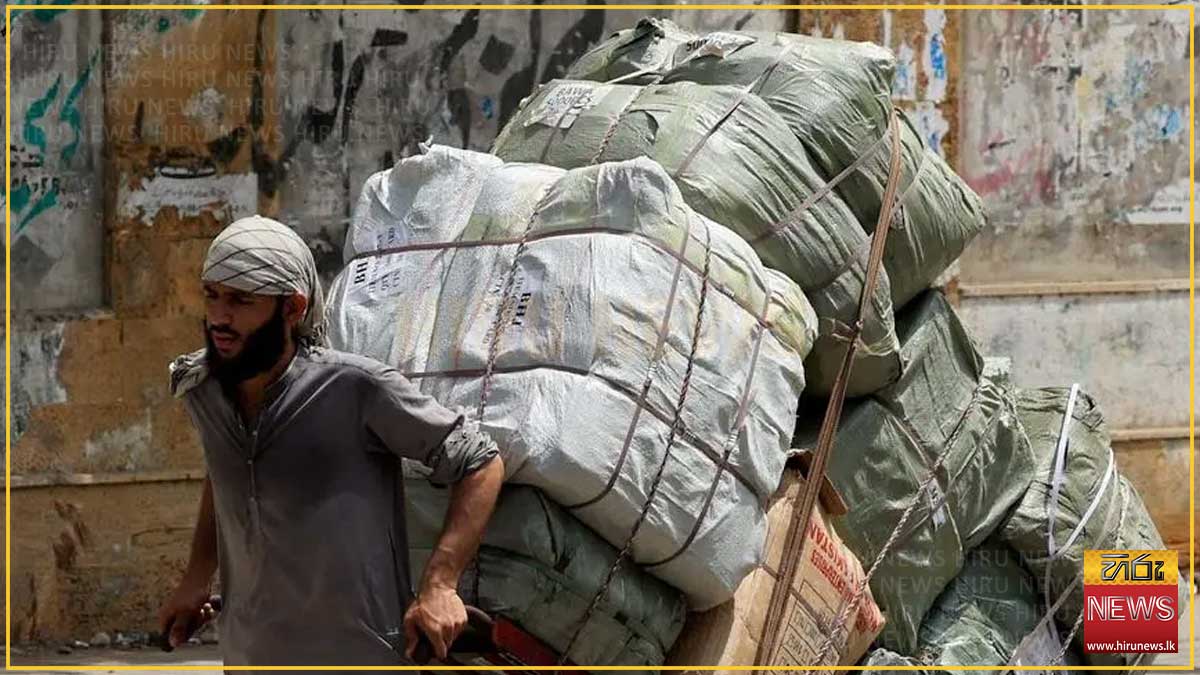
Pakistan proposed an 18.77 trillion rupees ($67.49 billion) budget on Friday, raising defence spending, limiting development expenditure and setting a steep tax target as the government tries to keep its IMF programme on track without provoking political fallout at home.
Finance Minister Muhammad Aurangzeb told parliament the government would allocate 3 trillion rupees for defence in the fiscal year starting July, up 18% from the outgoing year, while setting federal development spending at 1 trillion rupees.
The defence increase followed talks with provinces over pooling fiscal space for security needs, with provincial development plans also cut back before the budget.
"Defence spending has been increased considerably to make the country invincible due to the uncertainty in the region," Aurangzeb said.
The budget shows how little room Pakistan has to manoeuvre as debt payments, defence and IMF targets take priority while development spending and middle-class incomes are squeezed.
The government set a tax revenue target of 15.26 trillion rupees, up 8.2% from 14.13 trillion in the previous fiscal year, even though the Federal Board of Revenue missed its target for the outgoing fiscal year.
The budget projects a federal deficit of 7.02 trillion rupees, while the overall fiscal deficit is targeted at 5.23 trillion rupees, or 3.6% of GDP, after a projected provincial surplus of 1.79 trillion rupees.
Most of the revenue generation is expected to come from taxes and levies, including the petroleum levy, which are budgeted to generate 20.60 trillion rupees.
The budget, delayed by a week, comes as Pakistan faces renewed inflationary pressure from the U.S.-Israeli war on Iran, a conflict Islamabad has sought to help end. The surge in oil prices sparked by the war has driven inflation back into double digits just as the economy had appeared to be finding its footing.
It targets economic growth of 4.0% and inflation of 8.2% for the coming fiscal year, compared with 3.7% projected growth in fiscal year 2026 and 6.7% average inflation in the July-May period of the outgoing year.
Islamabad is also seeking to keep a $7 billion IMF programme on track after narrowly avoiding default in 2023. Pakistan has agreed to target a primary budget surplus of 2% of GDP, excluding debt-service payments, for the coming fiscal year.
That means the government must collect more than it spends before interest payments, leaving little room for tax cuts or new welfare measures.
Analysts say much of the adjustment is likely to fall on salaried workers and businesses already inside the tax net, as politically powerful sectors such as agriculture, retail and real estate remain difficult to tax.
- Reuters
Finance Minister Muhammad Aurangzeb told parliament the government would allocate 3 trillion rupees for defence in the fiscal year starting July, up 18% from the outgoing year, while setting federal development spending at 1 trillion rupees.
The defence increase followed talks with provinces over pooling fiscal space for security needs, with provincial development plans also cut back before the budget.
"Defence spending has been increased considerably to make the country invincible due to the uncertainty in the region," Aurangzeb said.
The budget shows how little room Pakistan has to manoeuvre as debt payments, defence and IMF targets take priority while development spending and middle-class incomes are squeezed.
The government set a tax revenue target of 15.26 trillion rupees, up 8.2% from 14.13 trillion in the previous fiscal year, even though the Federal Board of Revenue missed its target for the outgoing fiscal year.
The budget projects a federal deficit of 7.02 trillion rupees, while the overall fiscal deficit is targeted at 5.23 trillion rupees, or 3.6% of GDP, after a projected provincial surplus of 1.79 trillion rupees.
Most of the revenue generation is expected to come from taxes and levies, including the petroleum levy, which are budgeted to generate 20.60 trillion rupees.
The budget, delayed by a week, comes as Pakistan faces renewed inflationary pressure from the U.S.-Israeli war on Iran, a conflict Islamabad has sought to help end. The surge in oil prices sparked by the war has driven inflation back into double digits just as the economy had appeared to be finding its footing.
It targets economic growth of 4.0% and inflation of 8.2% for the coming fiscal year, compared with 3.7% projected growth in fiscal year 2026 and 6.7% average inflation in the July-May period of the outgoing year.
Islamabad is also seeking to keep a $7 billion IMF programme on track after narrowly avoiding default in 2023. Pakistan has agreed to target a primary budget surplus of 2% of GDP, excluding debt-service payments, for the coming fiscal year.
That means the government must collect more than it spends before interest payments, leaving little room for tax cuts or new welfare measures.
Analysts say much of the adjustment is likely to fall on salaried workers and businesses already inside the tax net, as politically powerful sectors such as agriculture, retail and real estate remain difficult to tax.
- Reuters
Latest News
Do not use my music, Ariana Grande tells White House
Local
13 June 2026

PM Modi leaves for two-nation visit: G7 Summit, bilateral talks with France, Slovakia - what's on agenda
Local
13 June 2026
Five IAF personnel killed after an AN-32 aircraft crashes at Jorhat airbase in Assam
Local
13 June 2026

23 dengue deaths reported so far this year - NDCU
Local
13 June 2026

India's FTAs set stage for $1 trillion export target
Local
13 June 2026
No political promises fulfilled - Muruththettuwe Ananda Thera
Local
13 June 2026

Lithuania says airspace incident was cause by weather balloon, not drone
Local
13 June 2026

Pakistan budget raises defence spending, squeezes development to meet IMF goals
Local
13 June 2026
US Justice Department clears Paramount's acquisition of Warner Bros
Local
13 June 2026

Somaliland says it has a right to choose its relationships
Local
13 June 2026