



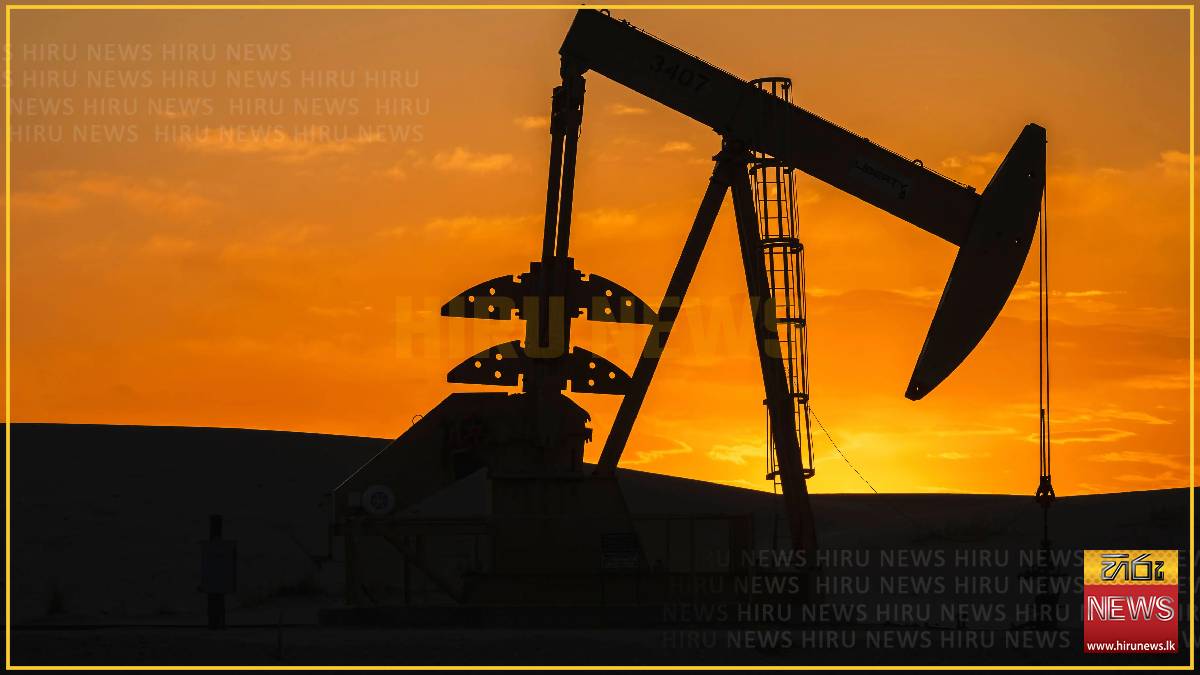


The impact of the Strait of Hormuz closure on global energy markets triggered a fierce debate among traders, with new reports suggesting the actual loss in oil supply could be less than half of previous estimates. Following joint United States and Israeli strikes on Iran, initial assessments warned that daily oil flows plummeted by over 10 million barrels. However, major trading sources now indicate that the current supply deficit sits between 5 and 6 million barrels per day. The revision stems from oil-producing nations rapidly establishing alternative logistics, such as Saudi Arabia rerouting supplies through its East-West pipeline to the Red Sea, alongside other Gulf producers turning to dark mode to smuggle tankers through the chokepoint.
The conflicting data continues to split major energy monitors. Analytics provider Kpler reported a cumulative loss of 961 million barrels up to 22 May, warning that summer seasonal demand could push the total deficit to 1 billion barrels. Conversely, the International Energy Agency estimated a daily loss of 14 million barrels, predicting severe shortages by July unless normal traffic resumes. The US Energy Information Administration projected a decline of over 11 million barrels daily, anticipating global inventories to fall by an average of 6.3 million barrels per day in the second quarter of 2026. A claim by US President Donald Trump that the American Navy assisted in shipping 100 million barrels out of Hormuz further complicated market sentiments, despite remaining unverified.
On the demand side, a dramatic slowdown in Chinese crude consumption helped prevent a massive spike in global prices. China's oil imports fell to an 8-year low in May, signaling prolonged demand destruction within the world's largest importer. Some market analysts suggest that when factoring in the Chinese economic slowdown, the net global oil market imbalance might only be around 2 million barrels daily. This decline led an SEB analyst to declare that commercial oil markets remain sufficiently supplied as the world adapts to the supply shock.
Despite this short-term stability, energy executives expressed deep concern over dwindling global inventories. Asian nations implemented fuel sales caps, price hikes, and subsidies, while turning heavily to the United States to bridge the import deficit. This surge in exports forced the US to draw heavily from its own stockpiles, pushing strategic inventories close to a critical danger zone. The Chief Executive of Chevron warned that market shock absorbers faced steady depletion, leaving the global economy highly vulnerable to direct physical price hikes as the peak summer months approach.
-Oilprice.com
Latest News
Japan raises interest rate to highest since 1995
Almost all of world's children exposed to climate hazards, UN agency says

NDP and Central Bank strengthen partnership to advance financial literacy

Chinese President to meet Myanmar counterpart in Beijing

Lebanon fighting eases after US-Iran deal

China pledges support as Nepal resets regional ties

Iran rally twice to frustrate New Zealand at WC

Crude prices stabilize despite Hormuz shock
Rumesh Tharanga set for Ostrava Golden Spike javelin event

6.7 magnitude strikes Sulawesi islands