



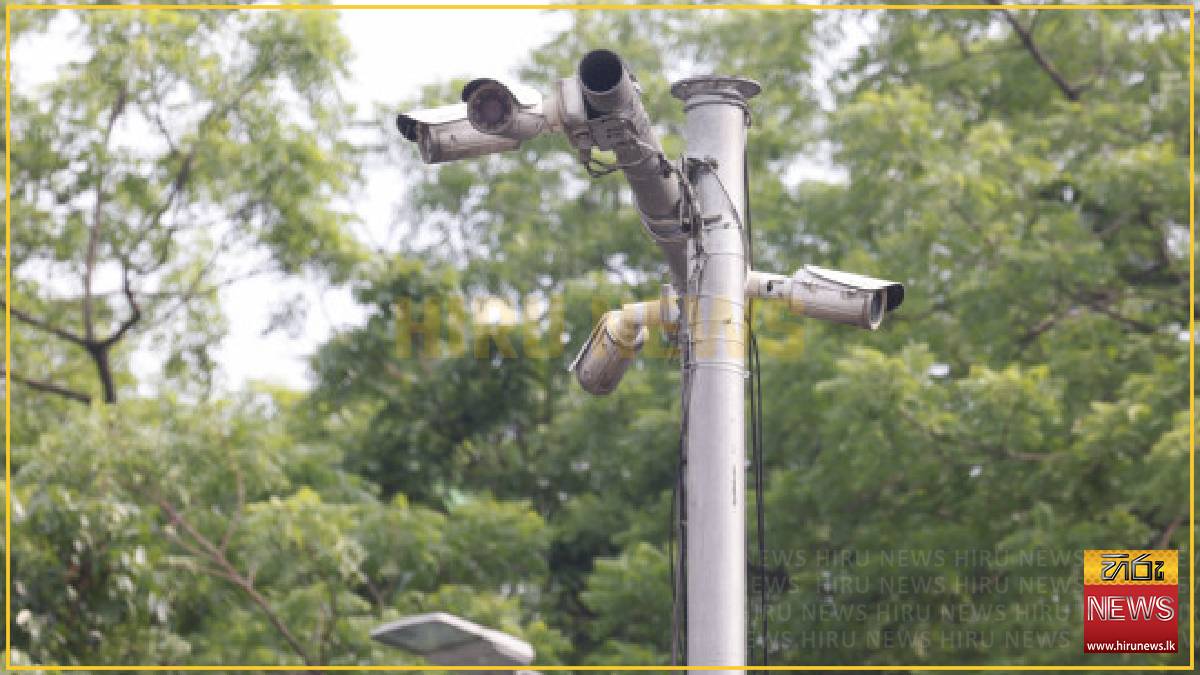


Artificial intelligence is transforming traffic management in Dhaka, one of the world's most congested capitals, significantly improving motorist behaviour and reducing daily altercations on the road. For a city of over 22 million people, navigating the chaotic mix of buses, cars, motorcycles, and pedal rickshaws previously relied heavily on manual control, with police officers physically blocking roads to manage flow. This manual enforcement frequently led to intense confrontations, arguments over fines, and even instances where officers suffered injuries from non-compliant vehicles.
The implementation of a new AI system in April changed this dynamic by linking existing traffic-monitoring cameras to software designed to automatically detect traffic offences. The technology identifies various infractions, including lane violations, running red lights, and illegal parking.
Once a violation is detected, the system automatically issues a fine to the vehicle owner via text message. Drivers note that the automated 2,000 taka fine serves as a powerful deterrent, forcing motorists to drive more cautiously due to the presence of surveillance cameras across key locations.
The initiative aims to address severe gridlock in a metropolis previously ranked as the slowest city globally by the US National Bureau of Economic Research. Studies indicate average travel speeds in Dhaka drop to just 4.8 kilometres per hour, making walking faster than driving.
At police headquarters, human analysts verify the traffic violations flagged by the AI software. The system recently logged nearly 800 infractions within a single day, highlighting a dramatic increase in enforcement efficiency compared to traditional paper-checking methods. Authorities currently target the most severe offenders while issuing warnings to others.
Despite early success and the prosecution of at least 300 vehicles, the system faces operational hurdles. Human analysts report difficulties with blurred or undersized registration plates that hinder automated identification. Police are collaborating with the road transport authority to resolve these identification issues.
Future upgrades intend to expand the software capabilities to detect vehicles driving illegally on footpaths. However, integrating the city's massive fleet of pedal rickshaws into the automated enforcement network remains an unresolved challenge for planners.
Urban transport experts emphasize that the long-term viability of the project depends heavily on consistent enforcement and accountability rather than the technology itself. Past investments in traffic signal upgrades failed to yield lasting results due to a lack of sustained planning and a widespread culture of ignoring regulations. While the AI system offers a promising start to altering driver habits, permanent improvement requires continuous institutional commitment.
-France 24
Latest News
Messi crowned World Cup’s all-time leading scorer

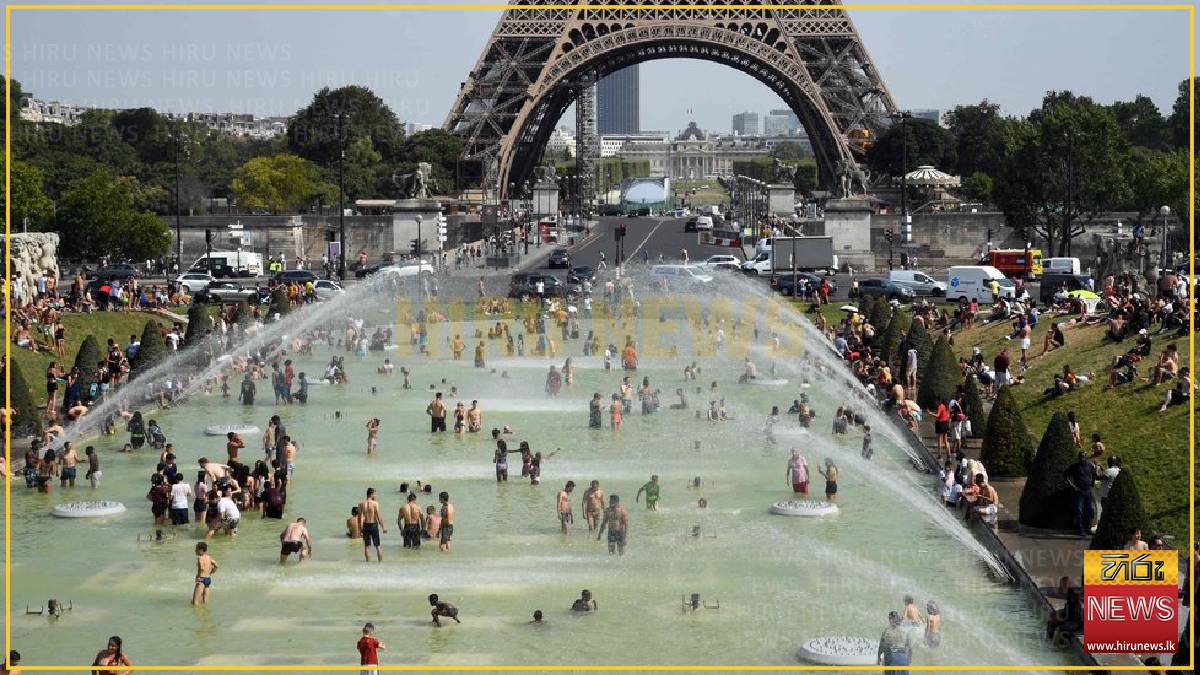
Heatwave kills 18 in France
Police inspector arrested for accepting bribe

House arrest for furry friends Down-Under

AI cameras for traffic control in Bangladesh
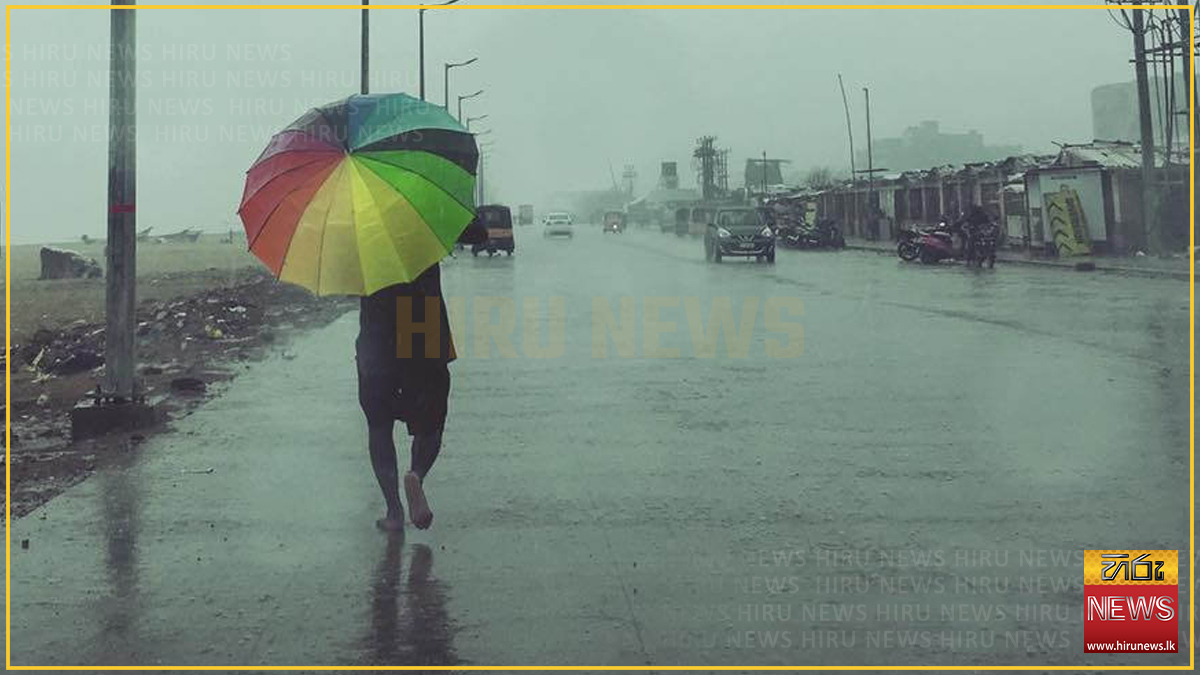
Thundershowers across the island today
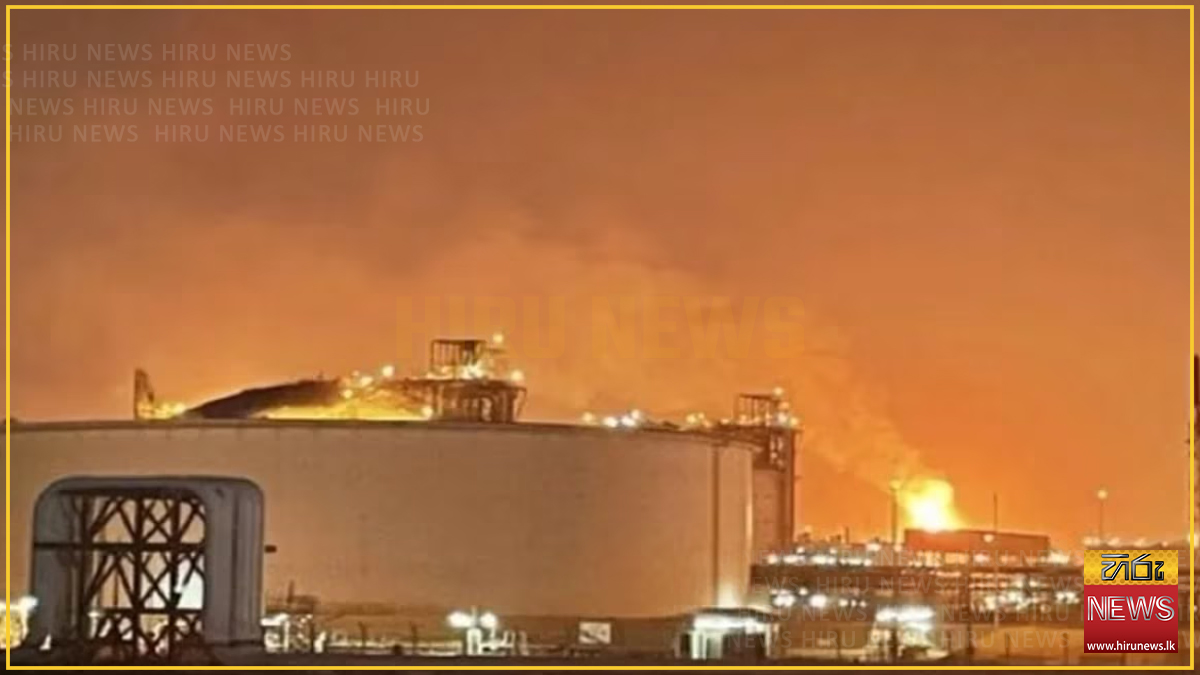
At least 13 killed after Qatar gas explosion
Eastern and central European countries demand EU strengthens carbon fund for poorer members

Belgium issues visas to Taliban delegation for EU meeting

European leaders offer warm farewell to Starmer