Share Post


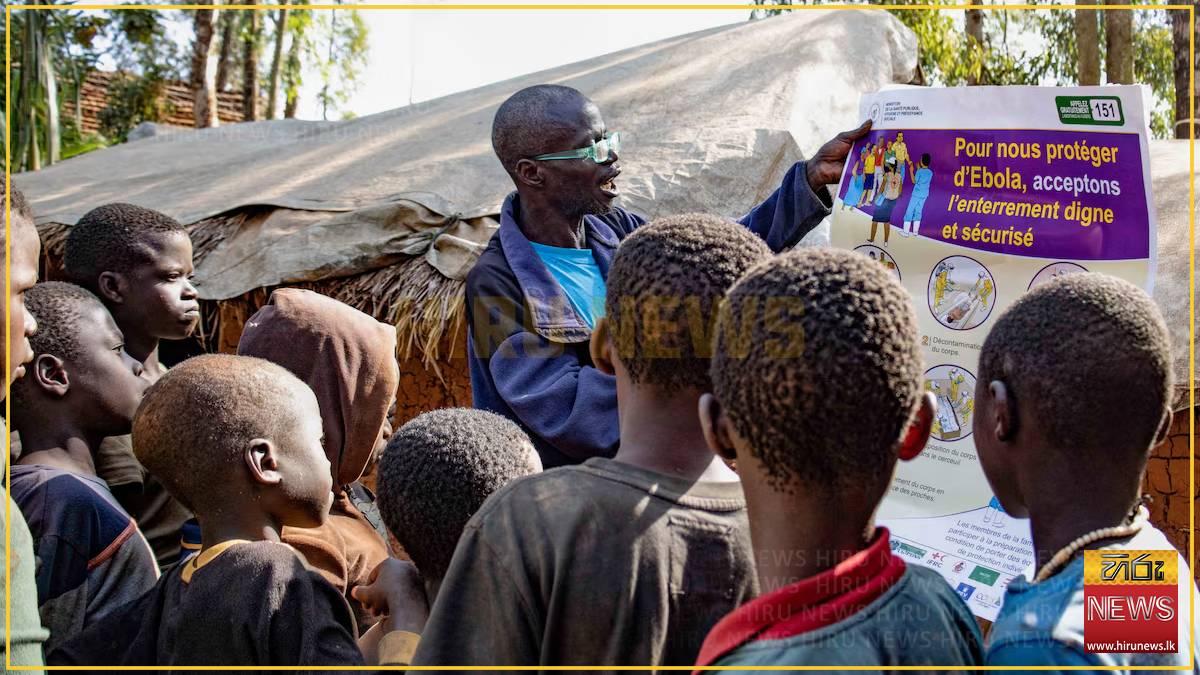
As scientists race to understand the growing Ebola Bundibugyo outbreak in Democratic Republic of Congo, medics say knowledge gaps are still hampering detection and care for sick patients.
Since the outbreak was declared in mid-May, Congo’s government has reported more than 1,100 cases and almost 300 deaths, by far the biggest outbreak of the Bundibugyo strain of Ebola to date. There have also been 20 confirmed cases and two deaths in neighbouring Uganda.
“We’re facing an outbreak… that we’re just, to be honest, beginning to understand,” World Health Organization emergencies director Chikwe Ihekweazu told a press conference on Wednesday. There have only been two previous outbreaks, in Uganda in 2007 and Congo in 2012, which caused roughly 200 cases.
Ebola Bundibugyo is distinct from the better-known Ebola Zaire, which caused the largest-ever outbreak in West Africa in 2014 to 2016. But it is part of the same family of filoviruses and causes similar symptoms, including fever, vomiting and diarrhea, and sometimes bleeding.
LESSER-KNOWN THREAT
The current outbreak was found late because the most common tests detect Zaire, not Bundibugyo. And unlike for Zaire, there are no vaccines or treatments to help tackle it, although treatment trials start next week.
The lack of data on how to spot the disease is still causing problems, Congolese officials and doctors said, particularly because the early symptoms are also common in other diseases like malaria, and seem to start mildly for Bundibugyo, meaning people may delay seeking care.
“For those at [the] early stage of the disease, it looks milder than Zaire, and I believe that [is] one of the reasons we are seeing more than 50% patients at an advanced stage,” said Abdou Sebushishe, a senior adviser at the International Medical Corps in eastern Congo, which runs several Ebola treatment centres.
Bleeding is also linked to later stages of Ebola, particularly in the minds of the community who experienced the Zaire outbreak in the same region of Congo in 2018 and 2019, said Dr Emmanuel Musingusi Bulemu, a Congolese health official investigating cases in the Nizi area of Ituri Province, the worst-hit region.
Bleeding is also linked to later stages of Ebola, particularly in the minds of the community who experienced the Zaire outbreak in the same region of Congo in 2018 and 2019, said Dr Emmanuel Musingusi Bulemu, a Congolese health official investigating cases in the Nizi area of Ituri Province, the worst-hit region.
-Reuters
Since the outbreak was declared in mid-May, Congo’s government has reported more than 1,100 cases and almost 300 deaths, by far the biggest outbreak of the Bundibugyo strain of Ebola to date. There have also been 20 confirmed cases and two deaths in neighbouring Uganda.
“We’re facing an outbreak… that we’re just, to be honest, beginning to understand,” World Health Organization emergencies director Chikwe Ihekweazu told a press conference on Wednesday. There have only been two previous outbreaks, in Uganda in 2007 and Congo in 2012, which caused roughly 200 cases.
Ebola Bundibugyo is distinct from the better-known Ebola Zaire, which caused the largest-ever outbreak in West Africa in 2014 to 2016. But it is part of the same family of filoviruses and causes similar symptoms, including fever, vomiting and diarrhea, and sometimes bleeding.
LESSER-KNOWN THREAT
The current outbreak was found late because the most common tests detect Zaire, not Bundibugyo. And unlike for Zaire, there are no vaccines or treatments to help tackle it, although treatment trials start next week.
The lack of data on how to spot the disease is still causing problems, Congolese officials and doctors said, particularly because the early symptoms are also common in other diseases like malaria, and seem to start mildly for Bundibugyo, meaning people may delay seeking care.
“For those at [the] early stage of the disease, it looks milder than Zaire, and I believe that [is] one of the reasons we are seeing more than 50% patients at an advanced stage,” said Abdou Sebushishe, a senior adviser at the International Medical Corps in eastern Congo, which runs several Ebola treatment centres.
Bleeding is also linked to later stages of Ebola, particularly in the minds of the community who experienced the Zaire outbreak in the same region of Congo in 2018 and 2019, said Dr Emmanuel Musingusi Bulemu, a Congolese health official investigating cases in the Nizi area of Ituri Province, the worst-hit region.
Bleeding is also linked to later stages of Ebola, particularly in the minds of the community who experienced the Zaire outbreak in the same region of Congo in 2018 and 2019, said Dr Emmanuel Musingusi Bulemu, a Congolese health official investigating cases in the Nizi area of Ituri Province, the worst-hit region.
-Reuters
Latest News
Wonder Project orders two seasons of Fluff Piece
Local
25 June 2026

Neon sets awards season release for Paper Tiger
Local
25 June 2026

20% price hike in select Apple products
Local
25 June 2026

Dubai charges influencer with murder
Local
25 June 2026

Twin quake death toll climbs to 188
Local
25 June 2026
Knowledge gaps hamper Ebola outbreak response
Local
25 June 2026
‘Off Campus’ couple Mika Abdalla & Josh Heuston reported dating
Local
25 June 2026

A Love Story at Madison Square Garden?
Local
25 June 2026

Massive security and traffic deployment set for State Poson Festival in Anuradhapura
Local
25 June 2026
Two trains collide in Poland
Local
25 June 2026