


A nation faces the risk of destruction not only from natural disasters but also from an ineffective judicial system, Chief Justice Preethi Padman Surasena warned during an event in Colombo yesterday (July 2).
Stressing the importance of judicial accountability, the Chief Justice explained that sovereignty is divided into four main pillars: legislative power, executive power, judicial power, and the franchise.
He noted that as members of the judiciary, judges exercise the judicial power of the people.
This power is not derived from one's home, nor is it granted by the Judicial Service Commission, he stated.
Rather, it is entrusted by the people, for the benefit of the people, and this purpose must remain a constant priority.
Addressing the concept of independence, he emphasised that the independence of the judiciary belongs to the people.
It must be protected on their behalf rather than for the narrow, personal interests of individual judges.
He dismissed the notion that being a judge grants an unfettered licence to act without constraint, highlighting the inherent difficulty and responsibility of the role.
He concluded by warning that a poor judicial system can ruin a country in a very short period.
If such a collapse were to occur, he cautioned that no amount of international aid or external support would be sufficient to rebuild the nation.
Latest News
Former Navy Commander Karannagoda arrested

South Korea disputes Coupang’s breach report

Customs revenue hits new peak

Appeals Court rejects Yoshitha Rajapaksa petition

Case against Rakitha Rajapaksa and Charith Abeysinghe adjourned
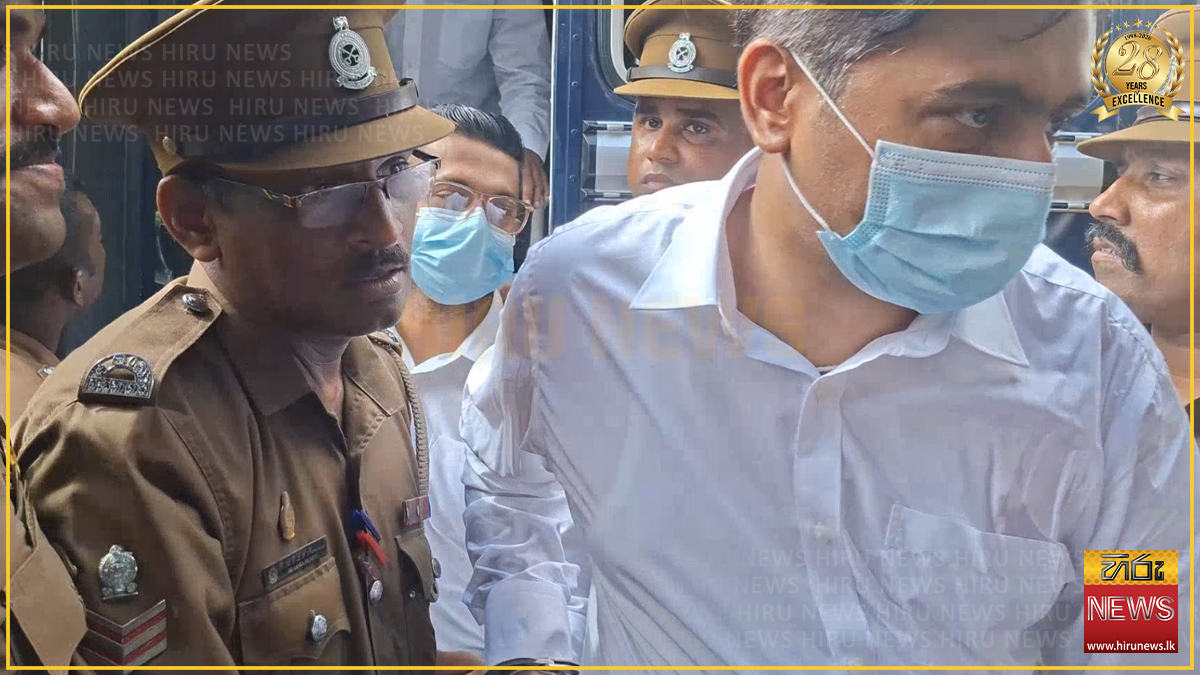
Rakitha Rajapaksa and Charith Abeysinghe appear in court

Women's T20 World Cup: England beat South Africa to reach final

Judicial system integrity essential for national stability
Israel plotting to kill Iranian negotiators?

Watchdog faults Secret Service for missing 102 radio calls during 2024 Trump shooting