Share Post


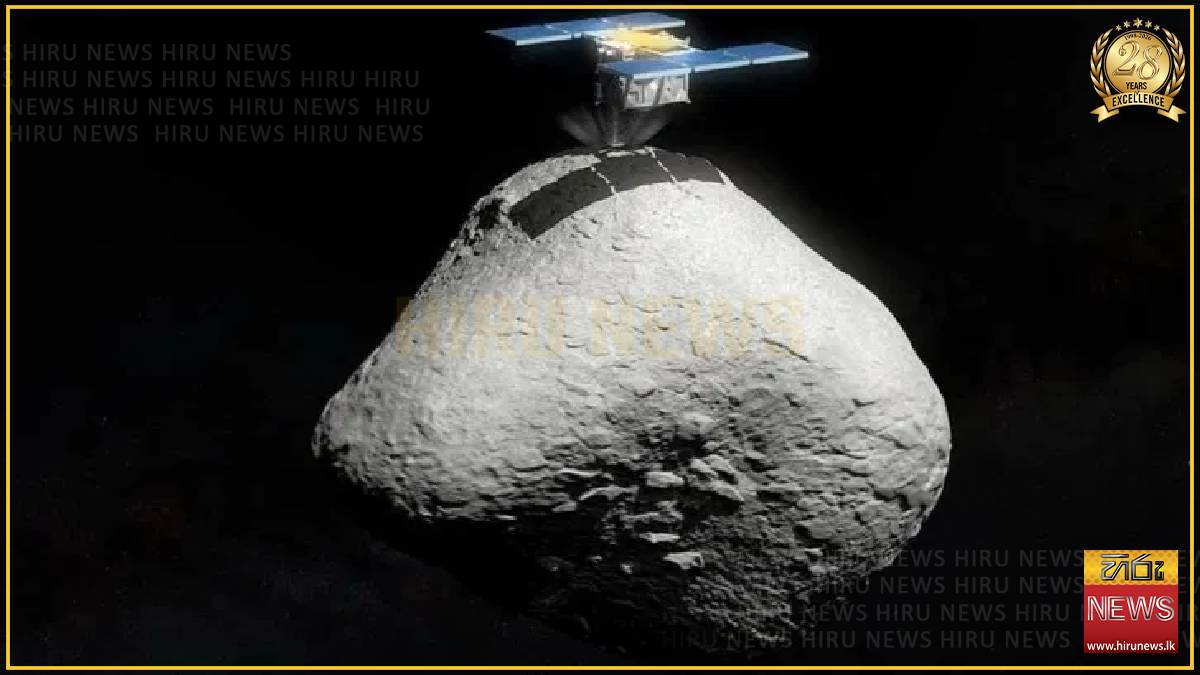
The Hayabusa 2 space probe successfully flew by and observed asteroid Torifune about 100 million kilometers from Earth, the Japan Aerospace Exploration Agency announced July 6.
According to JAXA officials, Torifune has an orbit that takes it around the sun as well as passes close to Earth.
The asteroid is as much as 800 meters long.
At 6.30 p.m. on July 5, Hayabusa 2 zipped by Torifune at about 18,000 kph. The original plan was to fly within about 800 meters of the asteroid, but no estimate was possible about the distance, which will have to await further analysis.
The observation of Torifune will allow for a comparative study with other asteroids, such as Itokawa and Ryugu, approached by the Hayabusa 2 as well as its predecessor.
Hayabusa 2 was launched in December 2014 and reached the asteroid Ryugu, about 280 million km from Earth, in June 2018 and collected samples of surface sand and rocks.
The capsule containing the samples was dropped in waters off Australia in December 2020 and Hayabusa 2 continued on its journey.
In addition to observations and retrieval, the Hayabusa 2 can also be used as part of planetary defense.
The eventual aim is to develop technology to fly probes at high speeds close to asteroids so that a probe could be utilized if an extraterrestrial object is found to be on a collision course with Earth to deflect it off course.
Meanwhile, Hayabusa 2 is now headed for the 1998KY26 asteroid, which it is expected to reach in 2031.
-The Asahi Shimbun
According to JAXA officials, Torifune has an orbit that takes it around the sun as well as passes close to Earth.
The asteroid is as much as 800 meters long.
At 6.30 p.m. on July 5, Hayabusa 2 zipped by Torifune at about 18,000 kph. The original plan was to fly within about 800 meters of the asteroid, but no estimate was possible about the distance, which will have to await further analysis.
The observation of Torifune will allow for a comparative study with other asteroids, such as Itokawa and Ryugu, approached by the Hayabusa 2 as well as its predecessor.
Hayabusa 2 was launched in December 2014 and reached the asteroid Ryugu, about 280 million km from Earth, in June 2018 and collected samples of surface sand and rocks.
The capsule containing the samples was dropped in waters off Australia in December 2020 and Hayabusa 2 continued on its journey.
In addition to observations and retrieval, the Hayabusa 2 can also be used as part of planetary defense.
The eventual aim is to develop technology to fly probes at high speeds close to asteroids so that a probe could be utilized if an extraterrestrial object is found to be on a collision course with Earth to deflect it off course.
Meanwhile, Hayabusa 2 is now headed for the 1998KY26 asteroid, which it is expected to reach in 2031.
-The Asahi Shimbun
Latest News
Next four weeks remain high-risk for dengue, says Health Minister
Local
06 July 2026

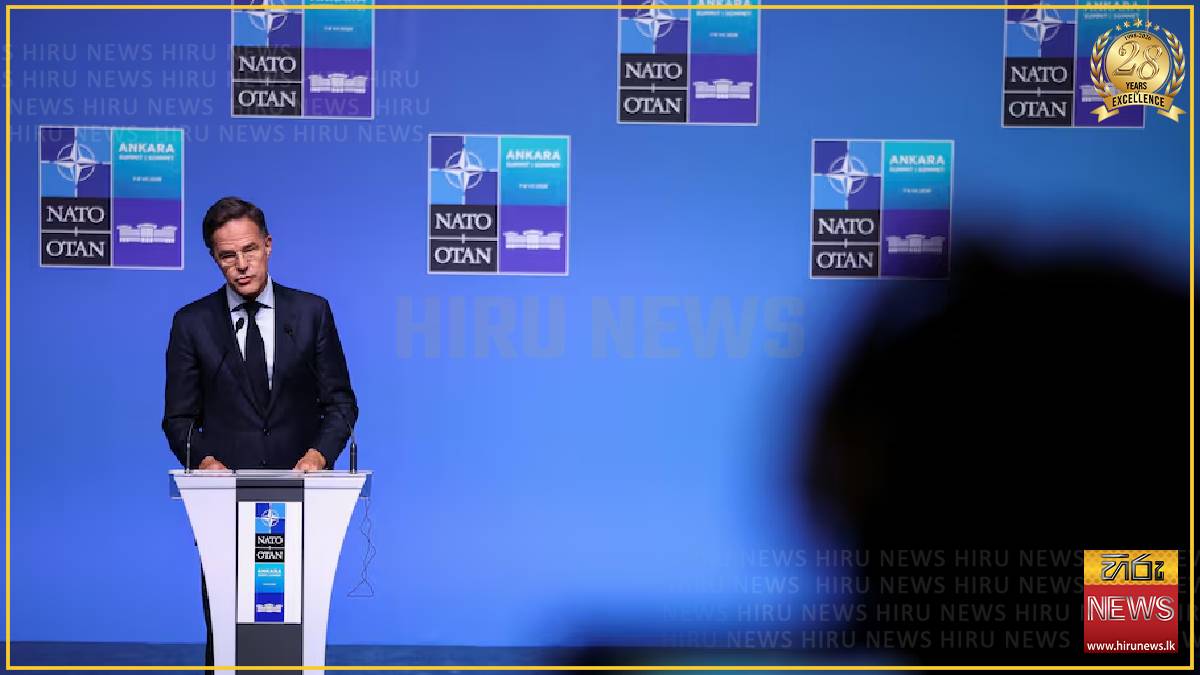
NATO’s Rutte stresses democratic rights after Turkey’s pre‑summit crackdown
Local
06 July 2026
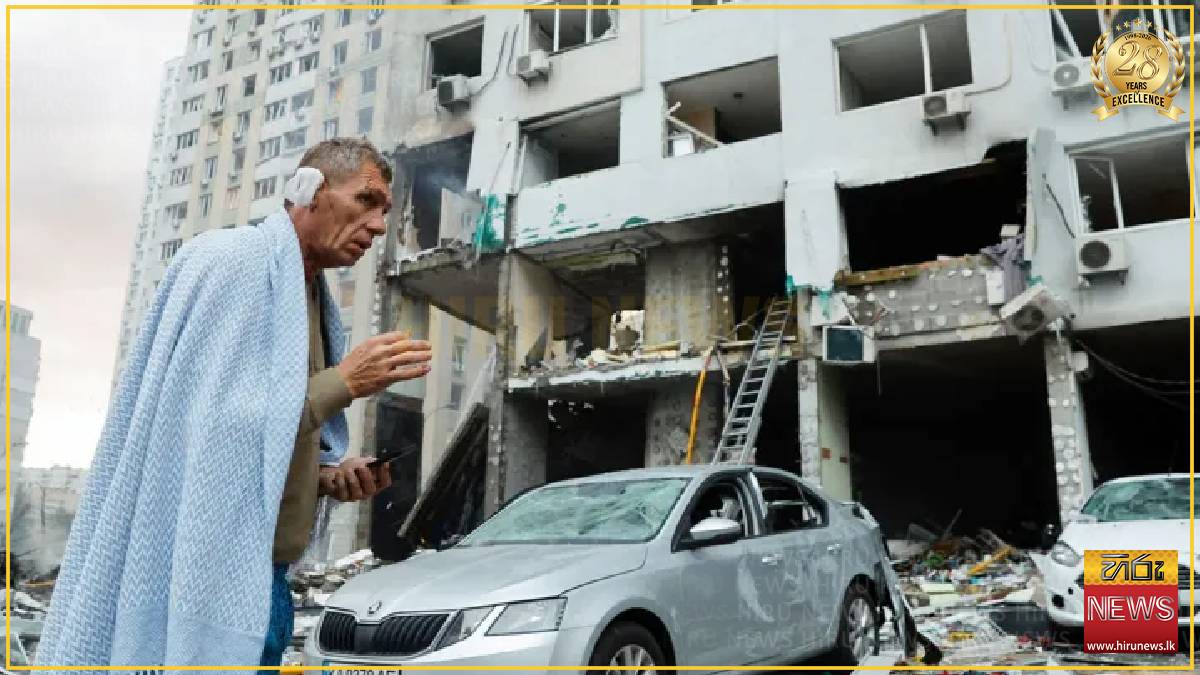
Ukraine warns of interceptor missile shortage
Local
06 July 2026
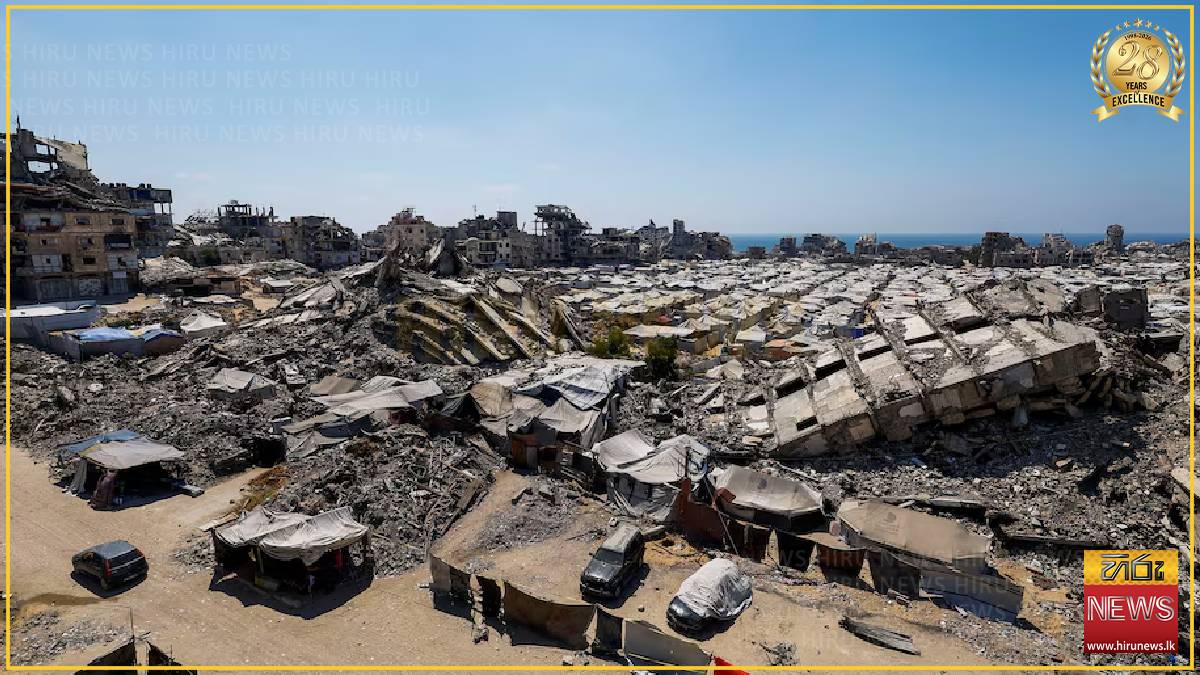
Hamas dissolves Gaza government
Local
06 July 2026
Bangladesh objections leave Assam border unfenced
Local
06 July 2026
Microsoft joins AI-driven tech layoff wave with 4,800 job cuts
Local
06 July 2026

Hayabusa 2 probe flies by Torifune asteroid
Local
06 July 2026
ITV hit shows to stay free to watch
Local
06 July 2026

Titan posts 41% growth
Local
06 July 2026

Trump says he asked FIFA chief to review red card foul
Local
06 July 2026